Home

Category

Culture

40 articles

The Sacred Hour: When America Stopped Everything for a Real Lunch

The Sacred Hour: When America Stopped Everything for a Real Lunch

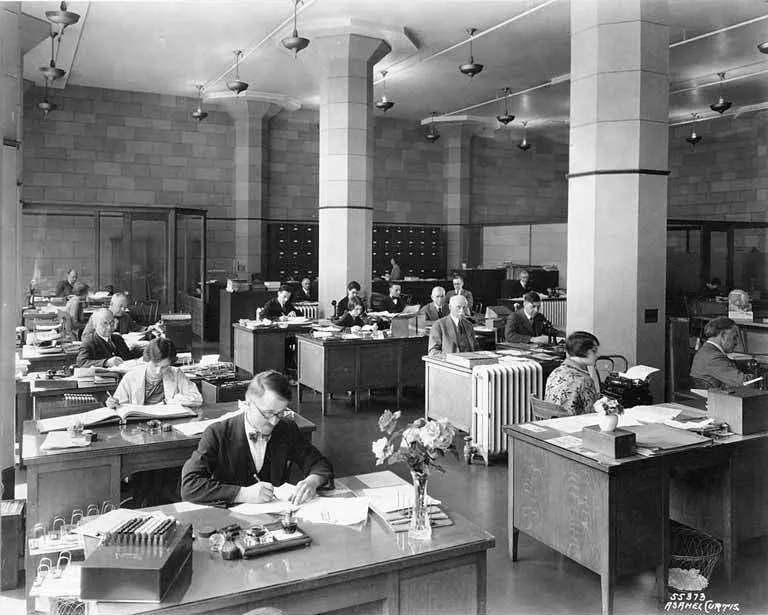
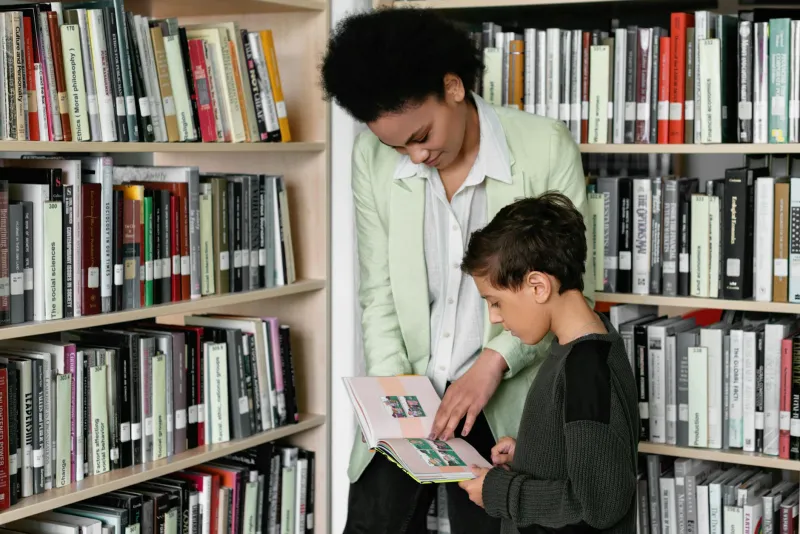
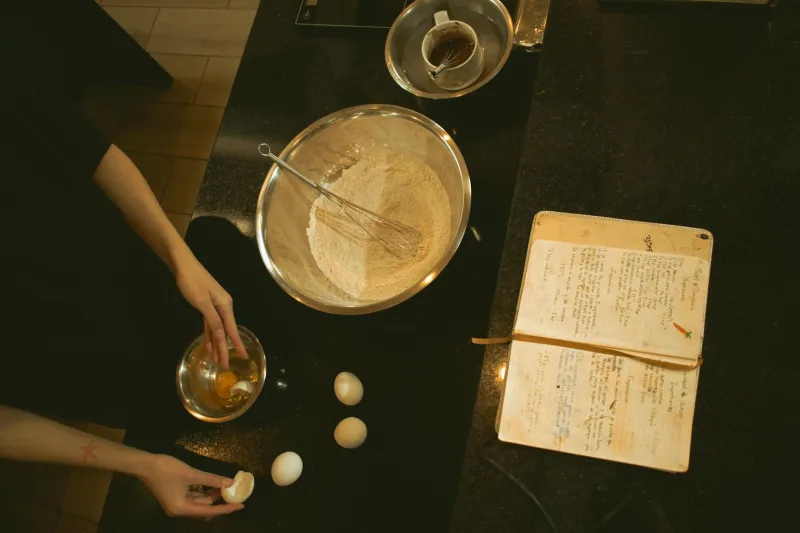
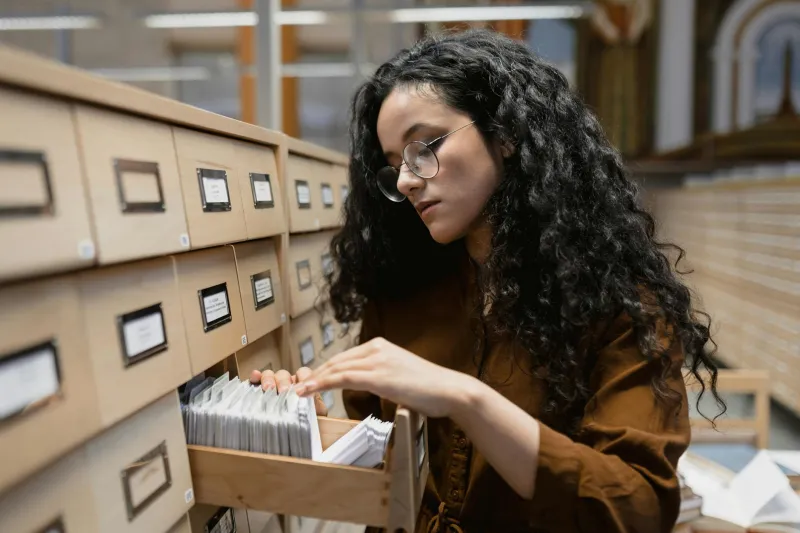
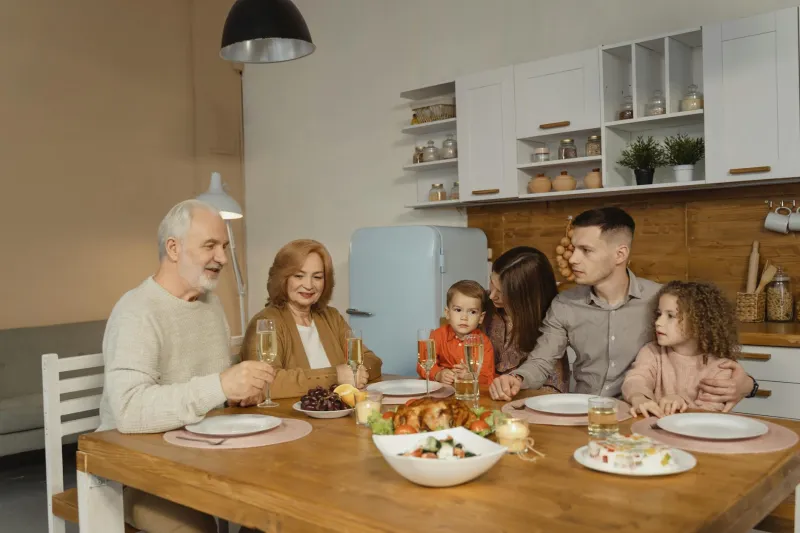
From factory floors to office buildings, Americans once treated lunch as an unbreakable covenant with themselves. Today's desk-side snacking culture would have been unthinkable to workers who knew that midday meant stepping away, sitting down, and eating something hot.

Where Democracy Learned to Walk: The Vanished Republic of the Pickup Game

Where Democracy Learned to Walk: The Vanished Republic of the Pickup Game

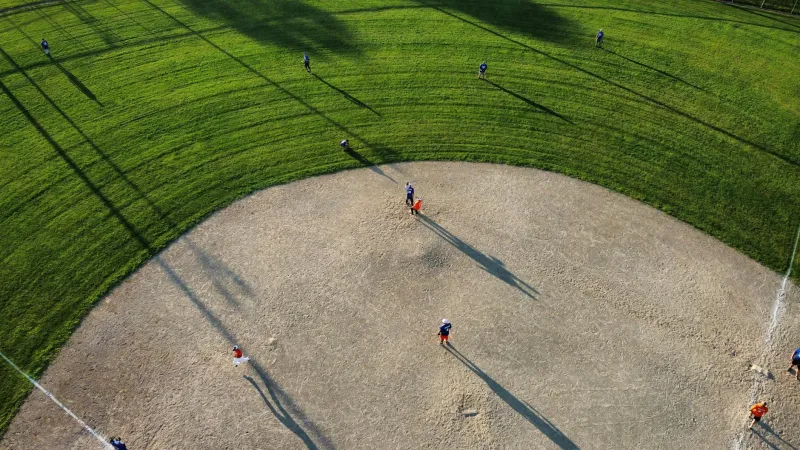
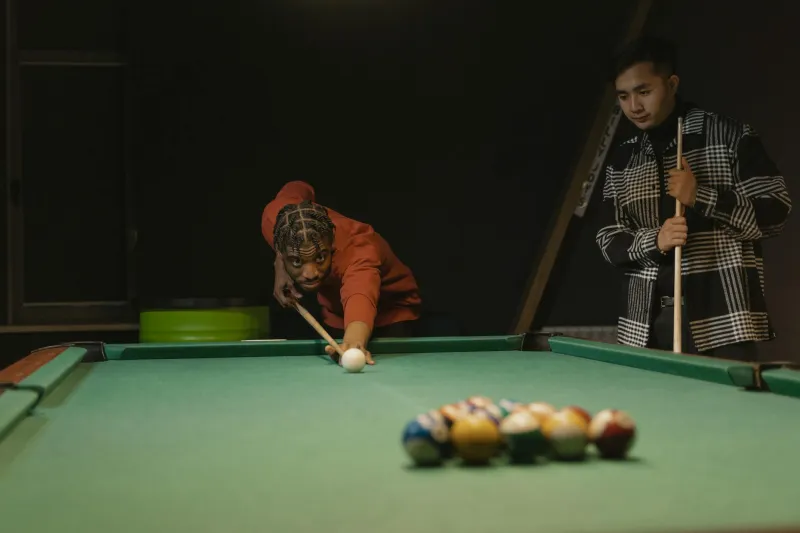
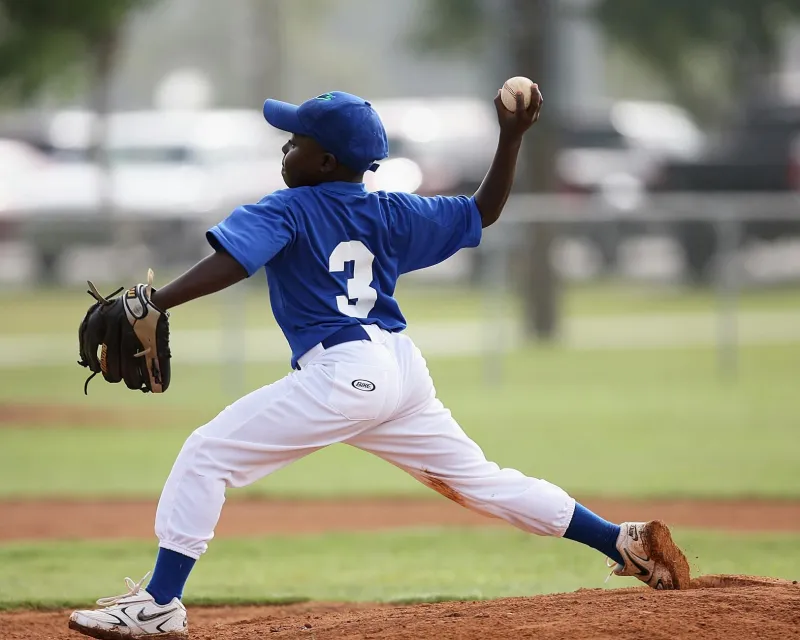
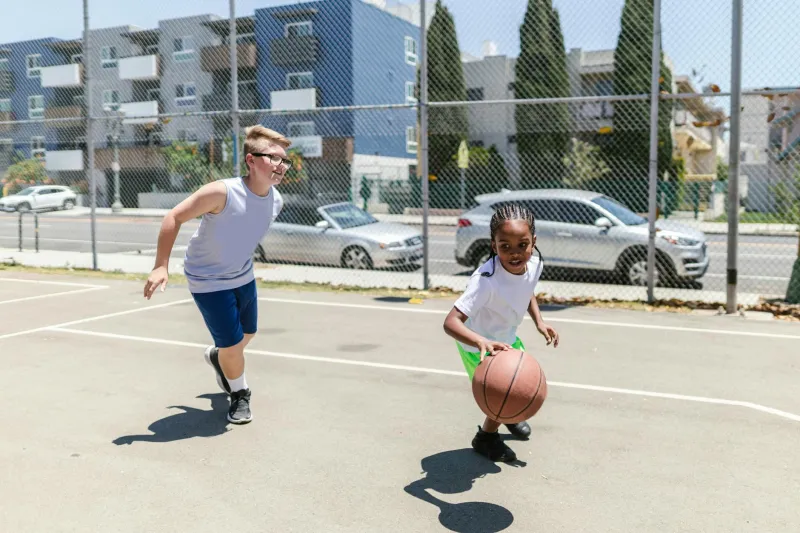
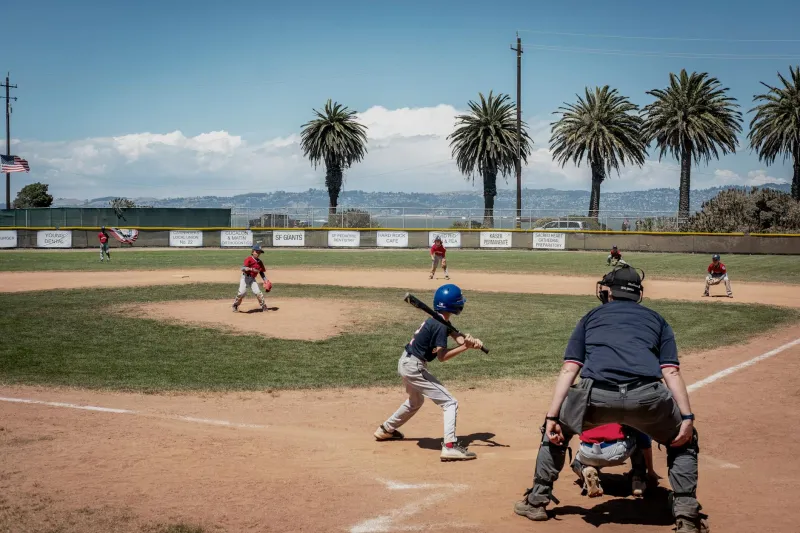
Before organized youth sports took over, America's vacant lots and playground courts were laboratories of democracy where kids learned to negotiate, lead, and self-govern without a single adult in sight. The disappearance of pickup games represents the loss of childhood's most important classroom.

When Your Pharmacist Was Part Doctor, Part Counselor, Part Family Friend

When Your Pharmacist Was Part Doctor, Part Counselor, Part Family Friend

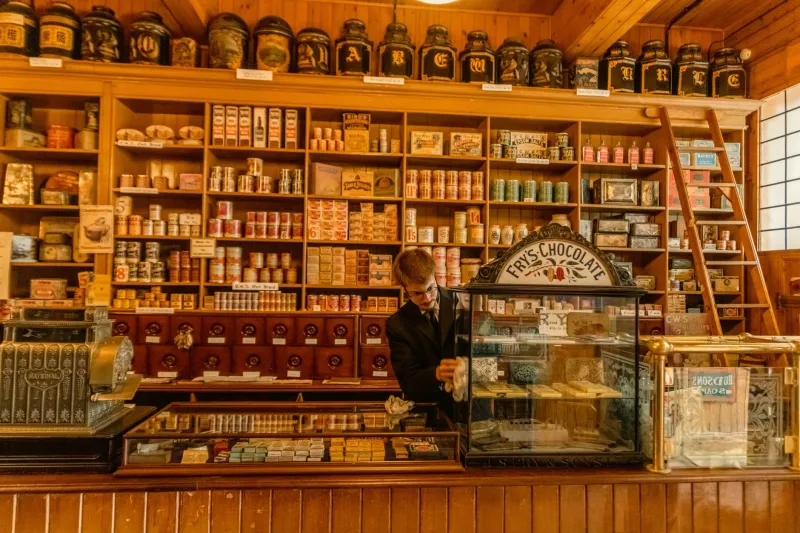
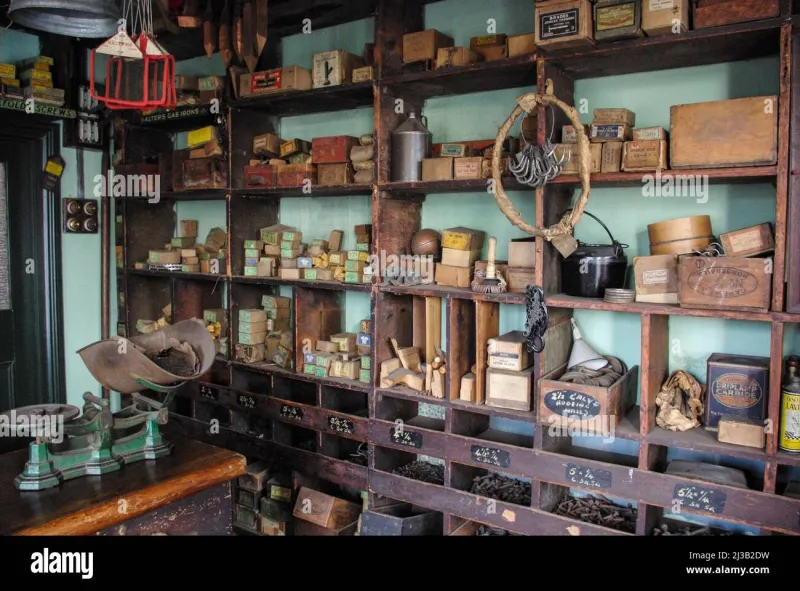
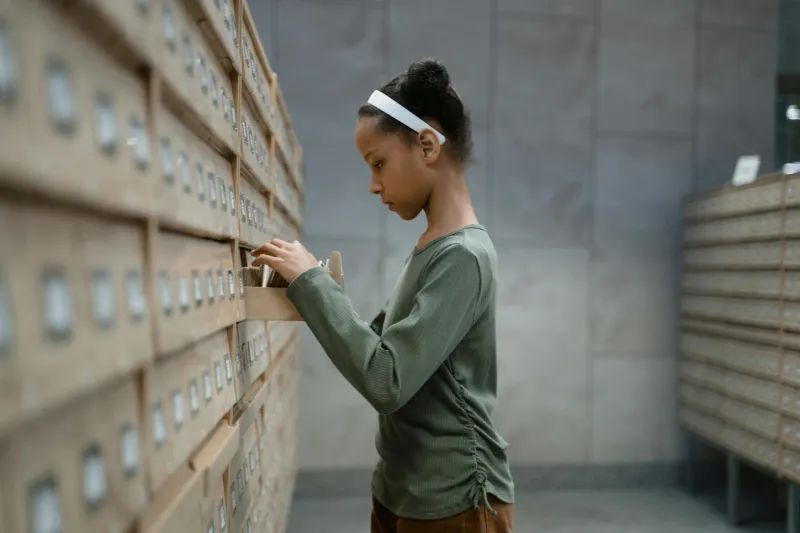
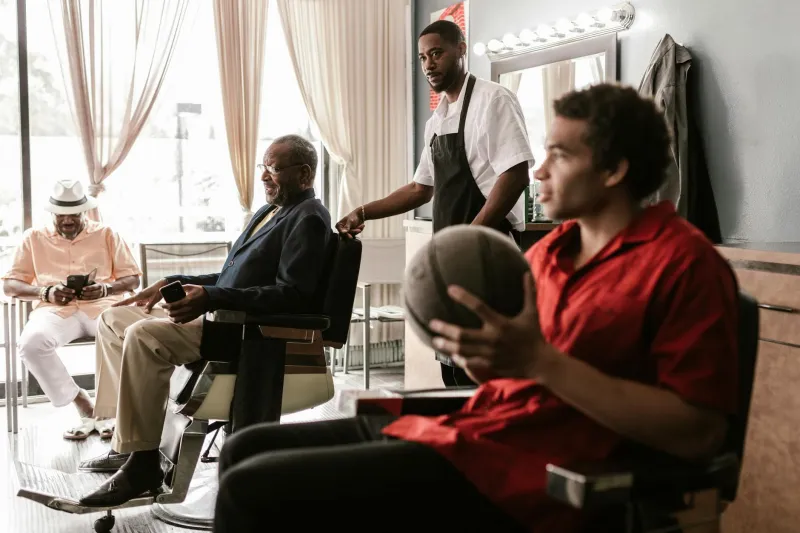
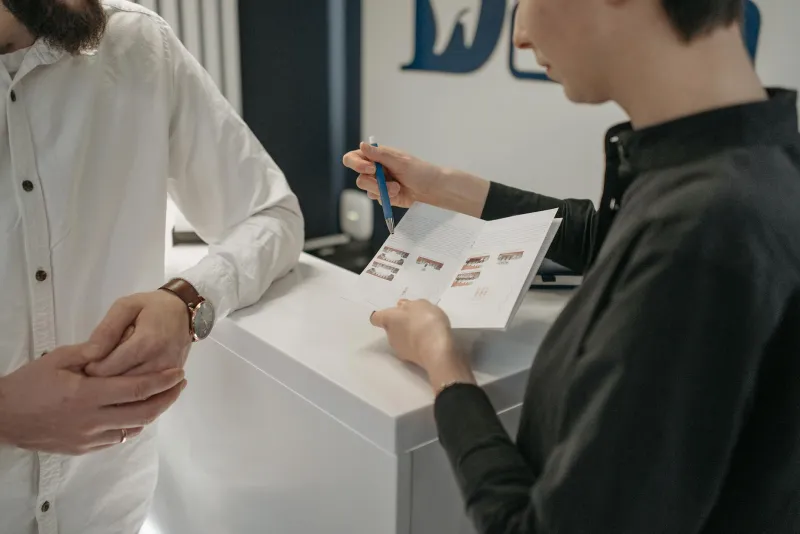
Before corporate chains turned pharmacies into retail warehouses, the neighborhood druggist knew your medical history better than you did. These white-coated community anchors offered free advice, tracked your health by memory, and treated prescriptions like personal missions.

The Last Time 100 Million Americans Watched the Same Thing at Once

The Last Time 100 Million Americans Watched the Same Thing at Once

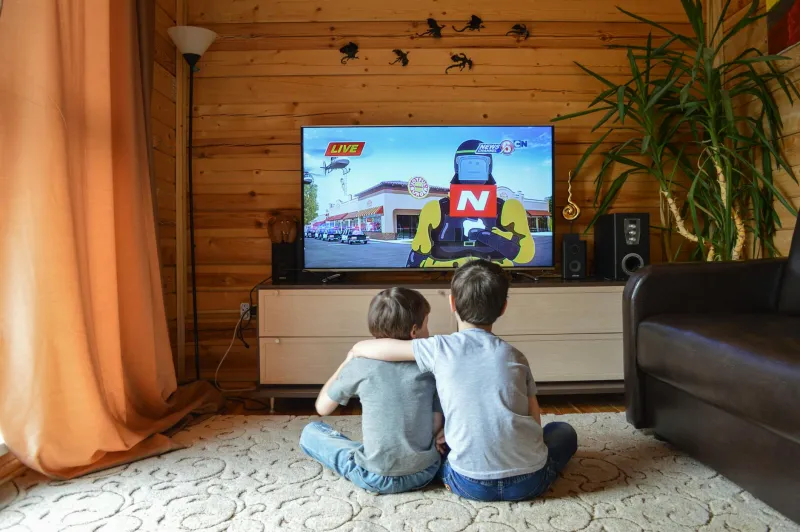
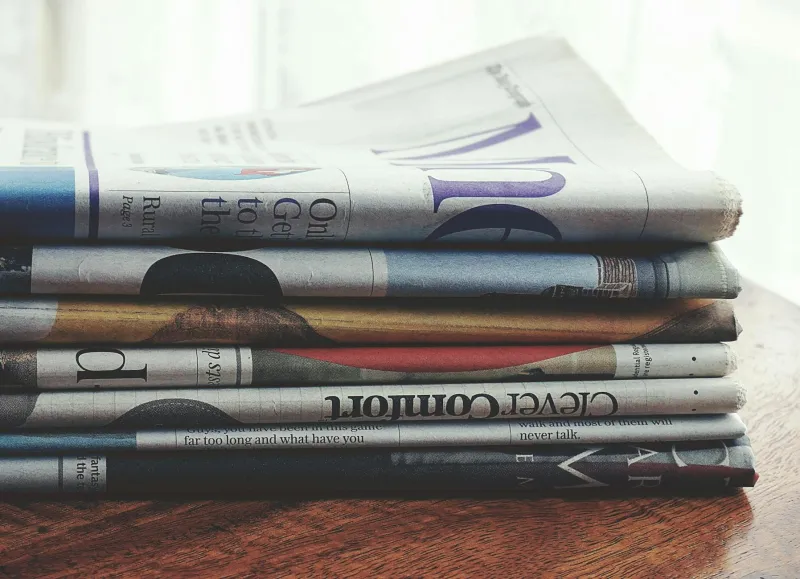
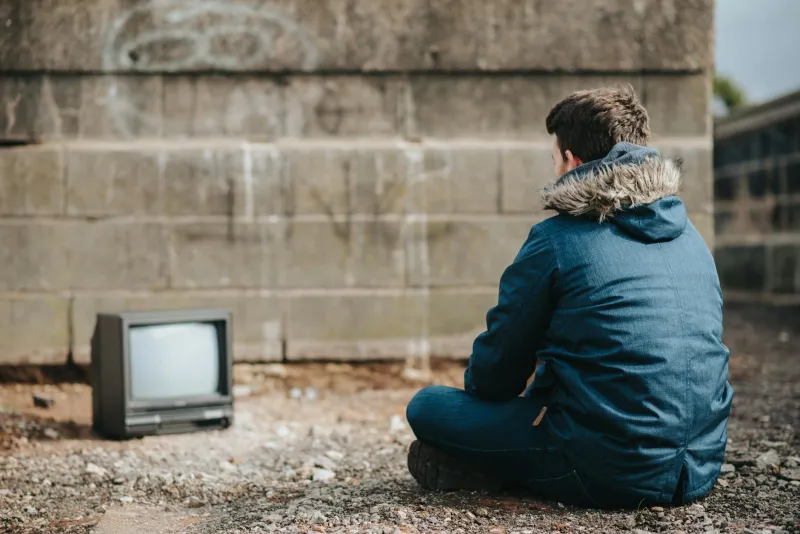
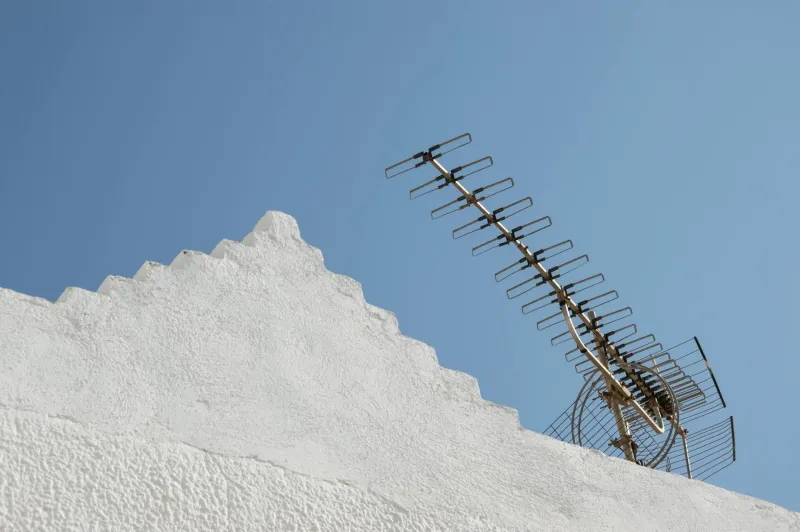
Before Netflix and endless streaming options, America gathered around three channels every night, creating shared cultural moments that entire generations remember together. The end of appointment television marked the beginning of our cultural fragmentation.

The Formica Kingdom: When America's Diners Were Democracy in Action

The Formica Kingdom: When America's Diners Were Democracy in Action

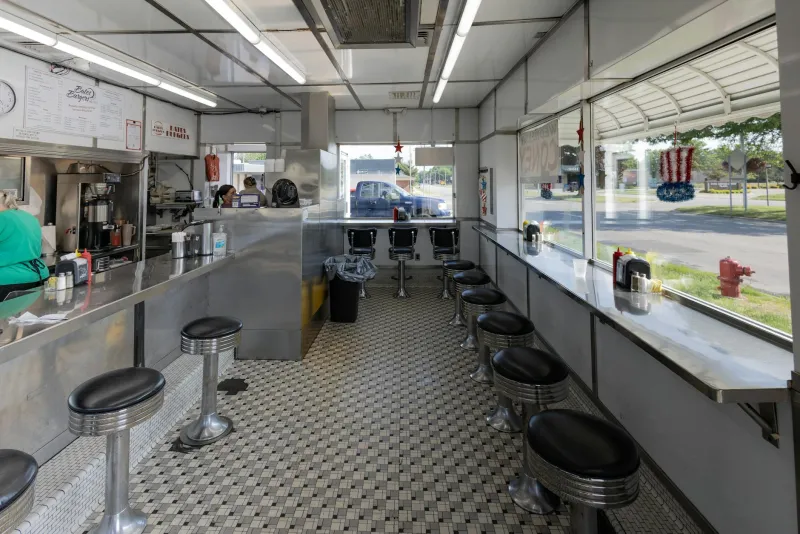
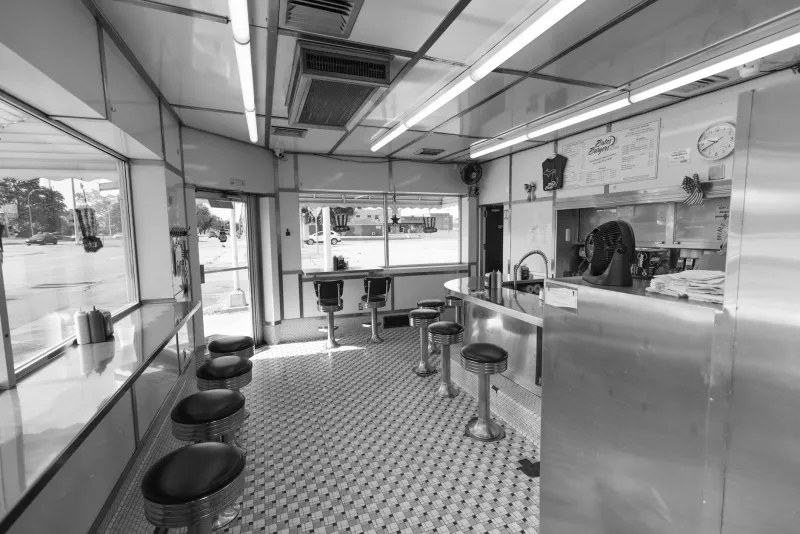
Before Starbucks and drive-thrus, America's social fabric was woven together at lunch counters where strangers shared elbow room and stories. These chrome-and-vinyl gathering spots created a uniquely American form of community that vanished when we chose speed over connection.

Walk In, Start Monday: When Getting Hired Took Guts, Not Algorithms

Walk In, Start Monday: When Getting Hired Took Guts, Not Algorithms

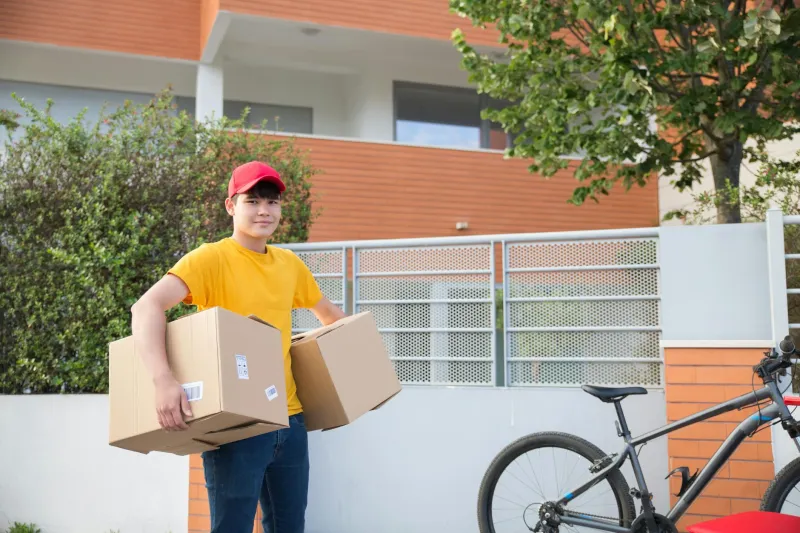
Your grandfather probably got his first job by walking through the front door and asking to speak with the boss. Today, that same position requires navigating AI screeners, personality tests, and interviews that stretch longer than some Hollywood productions.

The Two Hours a Week That Every American Kid Once Owned

The Two Hours a Week That Every American Kid Once Owned

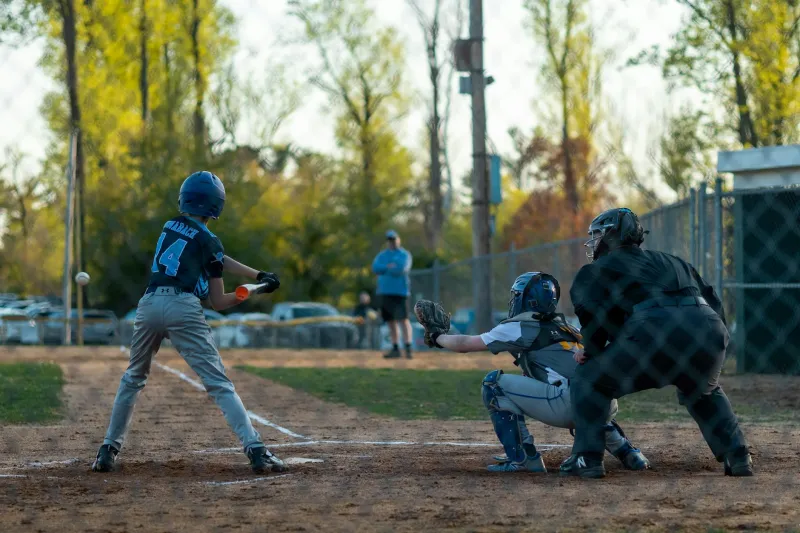
Saturday morning cartoons weren't just programming — they were an institution, a weekly ritual that millions of American kids shared simultaneously without knowing each other existed. When that ritual disappeared, something harder to define went with it: the particular pleasure of waiting for something, and the feeling of belonging to a moment everyone else was also living.

The Garage Door Closed and the Neighborhood Disappeared

The Garage Door Closed and the Neighborhood Disappeared

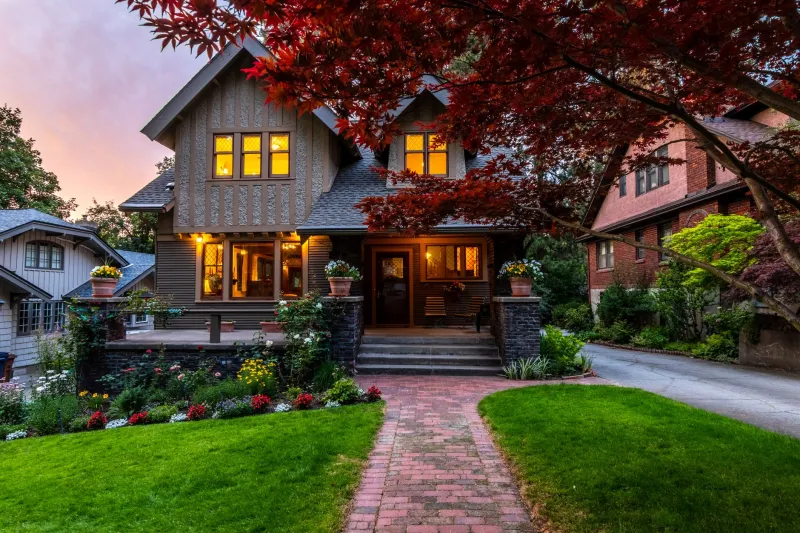
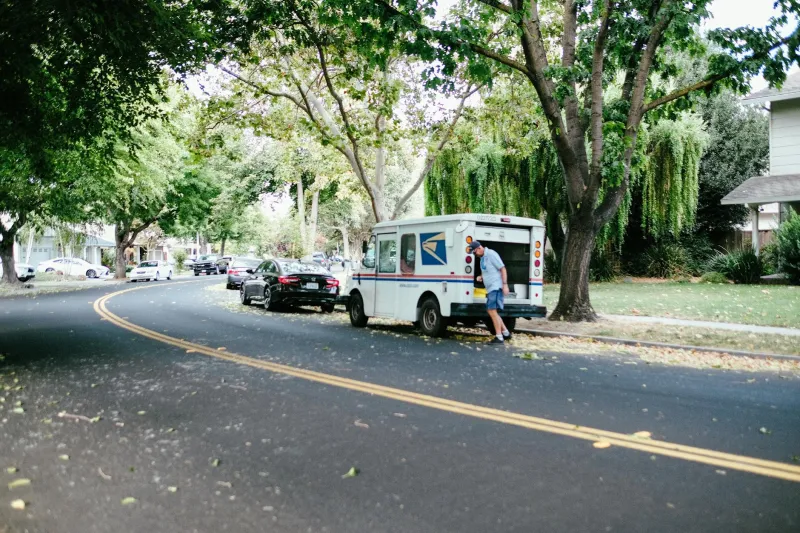
There was a time when your street was basically an extension of your living room. Neighbors dropped by unannounced, kids ran between yards like they owned the whole block, and borrowing a cup of sugar wasn't a joke — it was Tuesday. Somewhere between the cul-de-sac redesign and the rise of the ring doorbell, we stopped knowing the people twenty feet away.
Gone Until Dinner: The Vanishing World of the Unsupervised American Kid

Gone Until Dinner: The Vanishing World of the Unsupervised American Kid

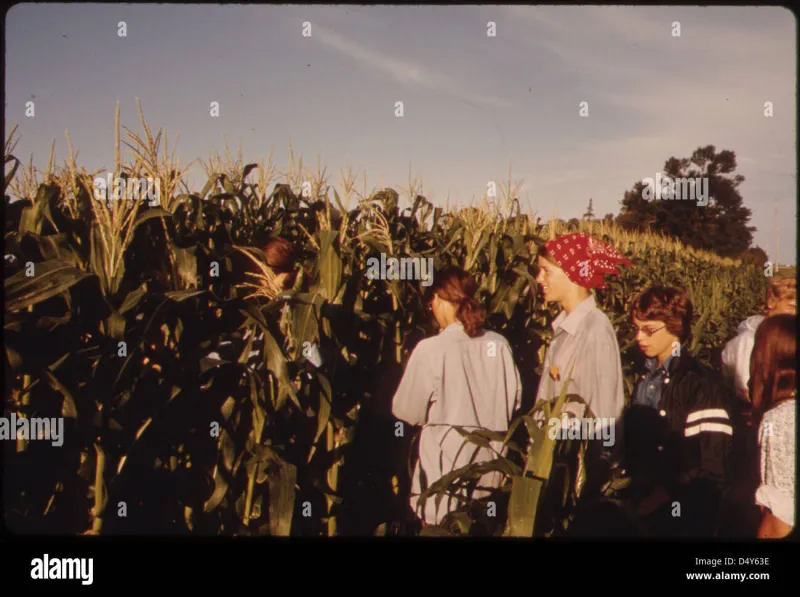
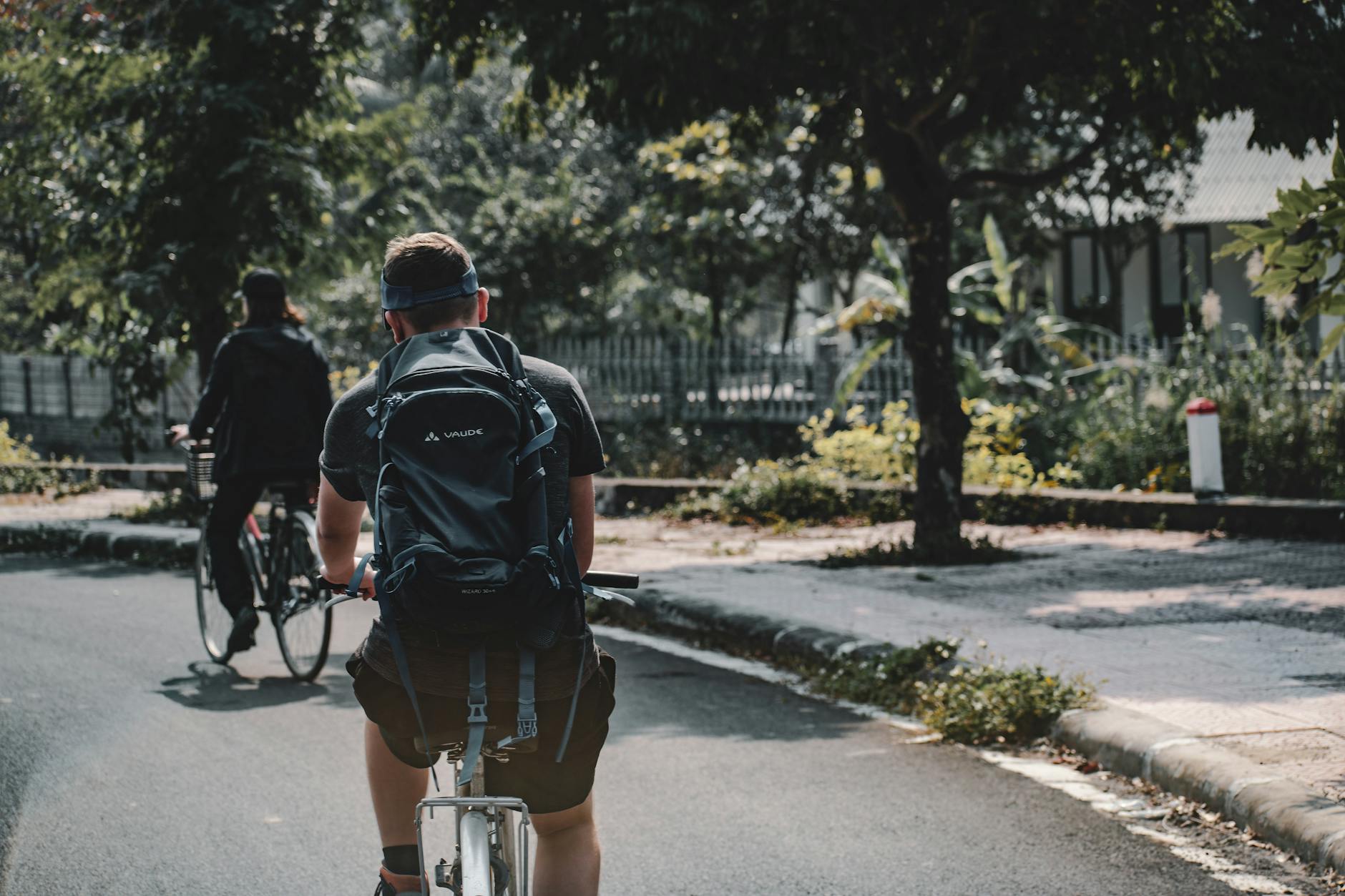
For most of the 20th century, childhood in America meant leaving the house after breakfast and not coming back until the streetlights came on — no check-ins, no GPS, no adult oversight. Today, a child walking alone to a park can trigger a call to child protective services. The shift between those two realities is one of the most dramatic — and least discussed — cultural transformations of the past 50 years.

The Doctor Who Knew Your Dog's Name: How American Healthcare Traded Relationship for Efficiency

The Doctor Who Knew Your Dog's Name: How American Healthcare Traded Relationship for Efficiency

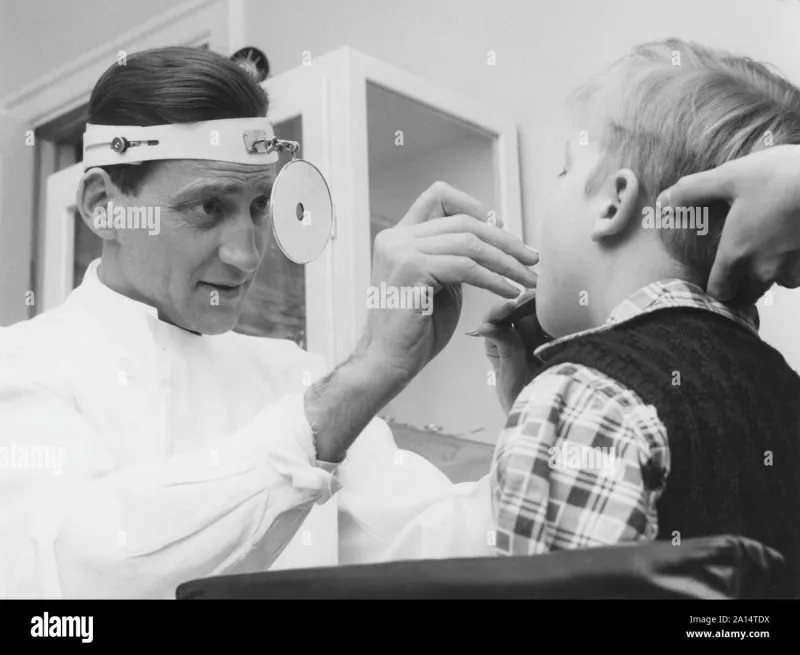
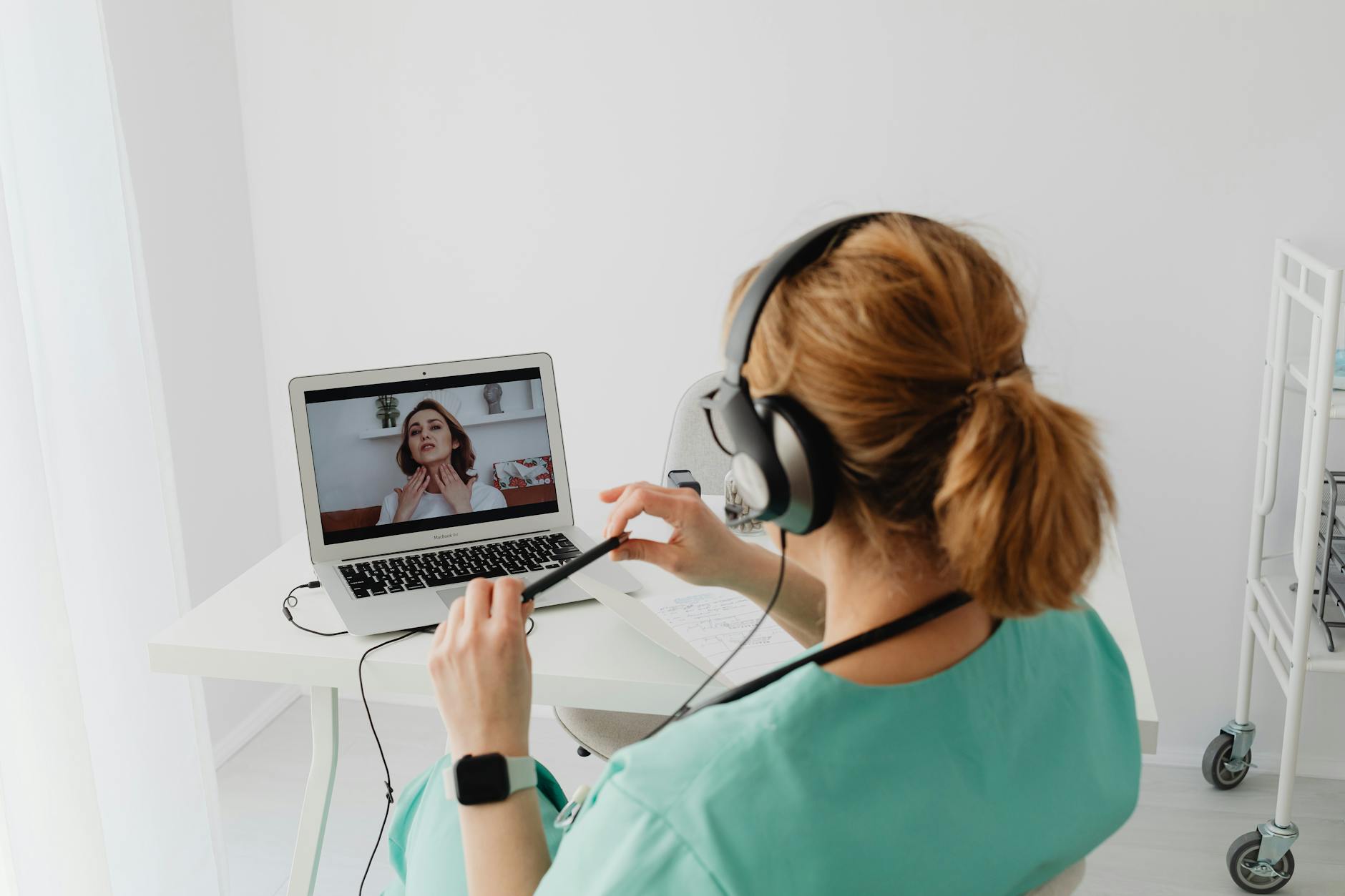
Not long ago, the family doctor was a fixture of American life — someone who showed up at your door when you were sick, knew your kids by name, and understood your health history without glancing at a chart. Today, getting a primary care appointment can take weeks, and the visit itself might last barely long enough to describe your symptoms. The transformation of American medicine is a story about remarkable progress and a quietly significant loss.