Before Kids Had Infinite Entertainment: When Saturday Morning Was the Only Time Cartoons Existed
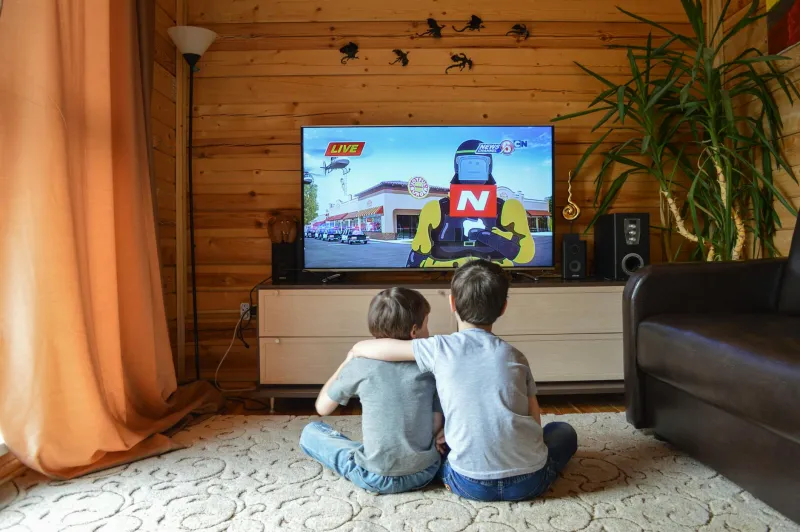
In 1985, if you missed The Smurfs at 8 AM on Saturday, you didn't get a second chance. There was no DVR, no on-demand streaming, no YouTube compilation. You either set your alarm for 7:30 AM or you waited until next Saturday, hoping they'd show the same episode again. This wasn't a glitch in the entertainment system – it was the entire point.
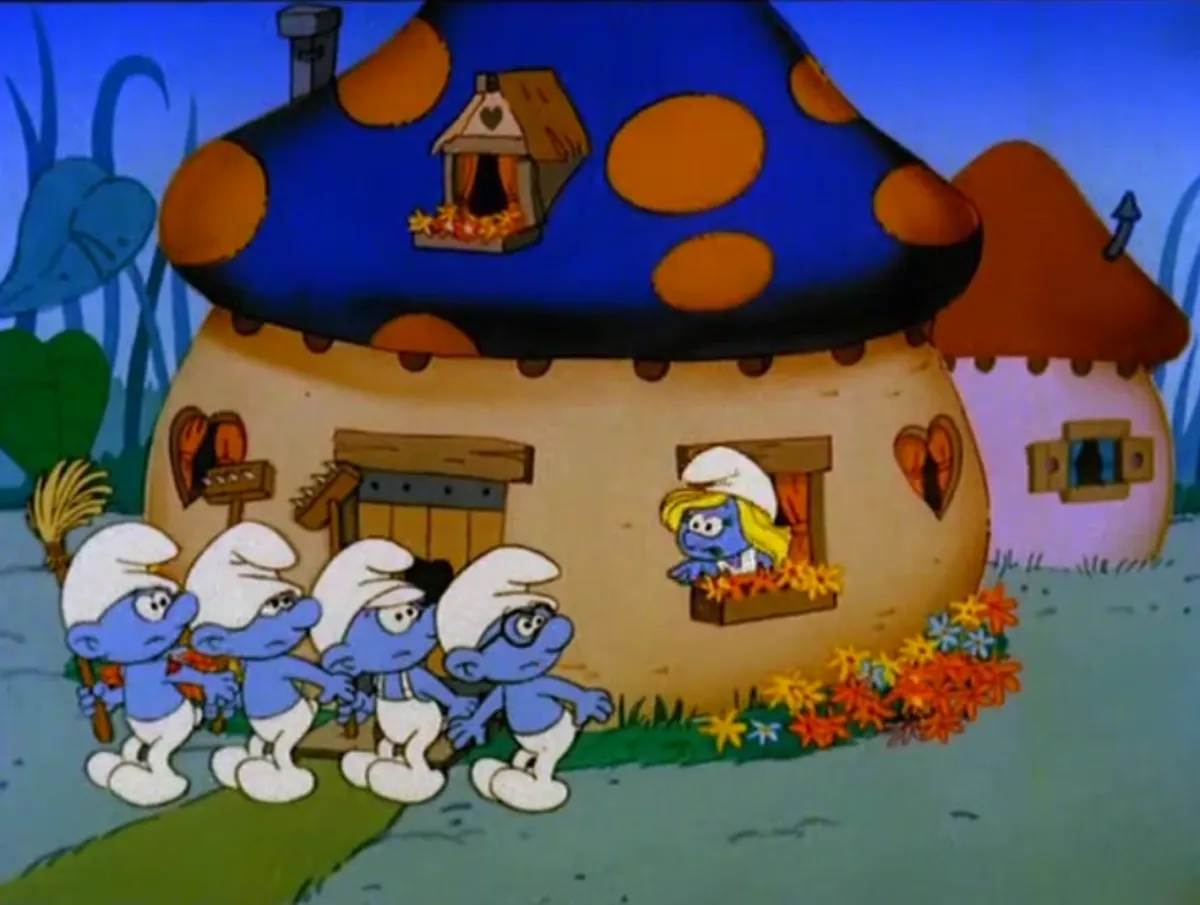 Photo: The Smurfs, via vignette.wikia.nocookie.net
The Three-Hour Window That Ruled American Childhood
For nearly four decades, Saturday morning television operated like a weekly holiday that children earned by surviving another school week. From roughly 8 AM to 11 AM, the major networks transformed into kid-focused wonderlands, broadcasting cartoons, educational shows, and adventure series designed specifically for audiences under twelve.
This wasn't accidental programming. Television executives, advertisers, and animators collaborated to create what amounted to a national babysitting service that parents could count on and children would treasure. The shows weren't just entertainment – they were appointment television that taught an entire generation the meaning of anticipation.
Kids would wake up before their parents, pour bowls of sugary cereal, and claim the family television for those precious three hours. The experience was communal yet personal: millions of children across America watching the same shows at the same time, yet each feeling like Saturday morning belonged to them alone.
When Scarcity Made Everything Special
The magic of Saturday morning cartoons lay in their scarcity. Schoolhouse Rock segments teaching grammar and math appeared between regular shows, but only during this window. The Jetsons, Scooby-Doo, and The Pink Panther weren't available any other time. This limitation created a sense of preciousness that today's unlimited access simply cannot replicate.
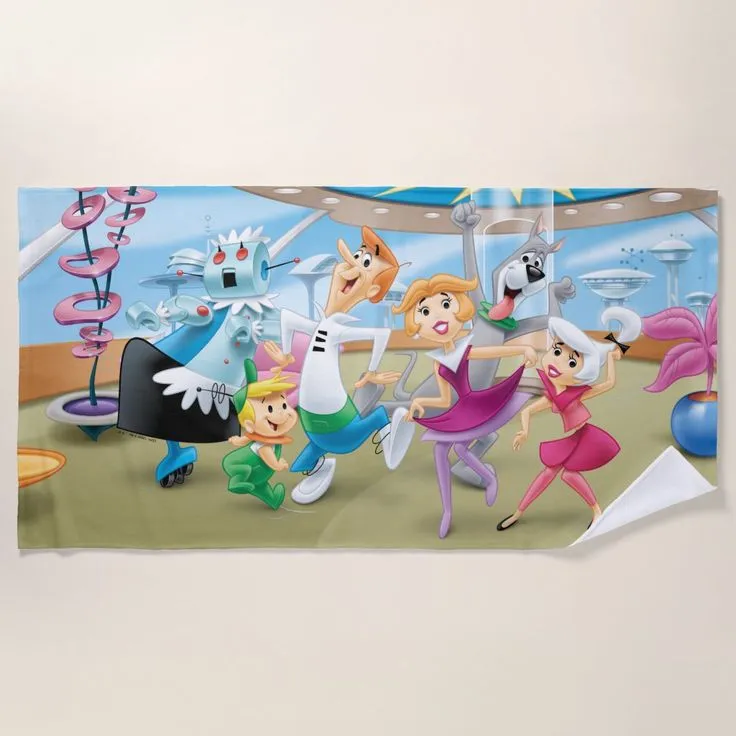 Photo: The Jetsons, via i.pinimg.com
Children planned their entire weekend around this block of programming. They'd negotiate with siblings over which shows to watch, settle disputes over volume control, and develop elaborate snack strategies to maximize their viewing time. Missing your favorite show felt genuinely tragic because there was no backup plan.
The networks understood this psychology and exploited it brilliantly. They'd tease upcoming episodes throughout the week, run special holiday programming that felt like genuine events, and create cliffhangers that left kids counting days until the next Saturday. The anticipation became part of the entertainment.
The Business of Childhood Attention
Saturday morning television represented one of the most sophisticated marketing ecosystems ever created. Toy companies, cereal manufacturers, and candy makers poured millions into advertising specifically designed to capture children's attention during these three hours. The commercials became almost as memorable as the shows themselves.
Cereal brands launched entire product lines timed to Saturday morning debuts. Pac-Man cereal, Donkey Kong cereal, Mr. T cereal – these weren't just breakfast foods, they were entertainment merchandise that extended the Saturday morning experience into the kitchen. The commercials featured jingles that kids would sing all week, creating a feedback loop of anticipation and consumption.
Toy commercials during Saturday morning programming operated on a different level entirely. Companies knew they had a captive audience of children whose parents were still sleeping, creating a brief window where advertising could work without adult interference. The most successful toys of the 1980s and 1990s owed their success to Saturday morning exposure.
The Shared Culture of Sequential Programming
Unlike today's personalized viewing experiences, Saturday morning created genuine shared culture. Children across different neighborhoods, economic backgrounds, and family situations all watched the same shows in the same order. Monday morning playground conversations inevitably included references to Saturday's programming.
This sequential programming created natural social hierarchies and bonding opportunities. Kids who stayed up late enough to catch Soul Train at 11 AM gained playground credibility. Those who missed the morning block entirely faced genuine social exclusion – they literally couldn't participate in conversations about what happened to their favorite characters.
The shows themselves reflected this communal viewing experience. Characters would break the fourth wall to speak directly to their audience, hosts would wish viewers happy birthdays, and special episodes addressed shared childhood experiences like starting school or dealing with bullies. The programming acknowledged that it was speaking to a specific community at a specific time.
When Parents Could Predict Peace
For parents, Saturday morning cartoons provided something invaluable: predictable quiet time. Unlike today's constant negotiation over screen time and content selection, the Saturday morning block was a known quantity. Parents could sleep until 11 AM knowing their children were safely entertained and wouldn't need attention until the programming ended.
This reliability helped establish weekend rhythms that many families built their entire Saturday around. Grocery shopping happened after cartoons ended. Chores began when the last show finished. The programming block created natural boundaries that helped structure family time without constant parental management.
Some parents embraced the ritual themselves, joining their children for favorite shows or using cartoon time to enjoy their own quiet morning coffee. The shared experience could bridge generational gaps, creating family memories around The Flintstones reruns or Bugs Bunny classics.
The Death of Appointment Television for Kids
The decline of Saturday morning cartoons began in the late 1990s as cable television, video games, and eventually streaming services offered children entertainment options that didn't depend on network scheduling. The Children's Television Act of 1990 also pushed networks toward more educational programming, reducing the pure entertainment value that had made Saturday mornings special.
By 2014, the last major network had abandoned Saturday morning cartoons entirely, ending a tradition that had defined American childhood for four decades. Today's children have access to exponentially more entertainment content, available instantly at any time, yet something irreplaceable was lost in the transition.
What Infinite Choice Can't Replace
Modern streaming services offer children unlimited access to cartoons, educational shows, and movies from around the world. Parents can curate content, pause shows for family activities, and never worry about missing episodes. By every practical measure, today's entertainment landscape is superior to the old Saturday morning system.
Yet adults who grew up with Saturday morning cartoons often describe the experience with a nostalgia that seems disproportionate to the actual content quality. What they're remembering isn't just the shows themselves, but the ritual of anticipation, the shared cultural experience, and the special feeling that came with having something that belonged specifically to childhood.
In our rush to give children more choices and more convenience, we may have inadvertently eliminated the magic that comes from having to wait for something special. The Saturday morning cartoon block taught patience, created community, and proved that sometimes the best things in life are worth getting up early for.
Today's children will never know the particular joy of waking up before dawn on Saturday, tiptoeing to the television, and settling in for three hours of programming that felt like it was created just for them. They have something arguably better – unlimited entertainment on demand. But they'll never have Saturday morning.