The Sacred Hour: When America Stopped Everything for a Real Lunch
The Sound That Stopped a Nation
At exactly 12:00 PM, across every American workplace, the same ritual began. Factory whistles blew. Office typewriters fell silent. Cash registers closed. For one sacred hour, the engine of American productivity simply stopped.
This wasn't laziness. This was lunch.
In postwar America, the lunch break represented something profound: a collective agreement that work, no matter how important, could wait while humans did something fundamentally human. They ate real food, sat in actual chairs, and talked to each other without checking their phones every thirty seconds.
Because phones didn't exist yet. And neither did the crushing anxiety that every minute away from your desk was a minute your career died.
When Hot Food Was a Human Right
Walk into any American workplace between 1945 and 1980, and you'd find something remarkable: people who expected to eat hot food in the middle of the day. Not microwaved leftovers. Not sad desk salads consumed while answering emails. Actual hot food, prepared by someone whose job it was to prepare it.
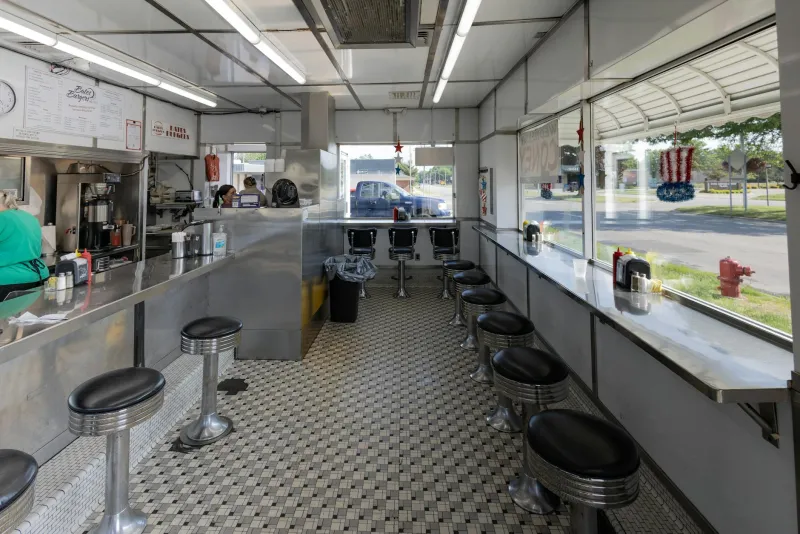
Factory cafeterias served meatloaf with mashed potatoes for sixty-five cents. Office buildings housed proper restaurants where secretaries ordered chicken sandwiches and accountants lingered over coffee. Downtown lunch counters knew exactly how every regular customer wanted their burger cooked.
The infrastructure for feeding working Americans wasn't an afterthought – it was essential architecture. Every industrial complex, every office tower, every business district was built around the assumption that people needed to eat real meals during real breaks.
Compare that to today's workplace food culture: vending machines, sad salad bars, and the grim efficiency of eating while staring at spreadsheets. We've convinced ourselves this is progress.
The Geography of the Midday Meal
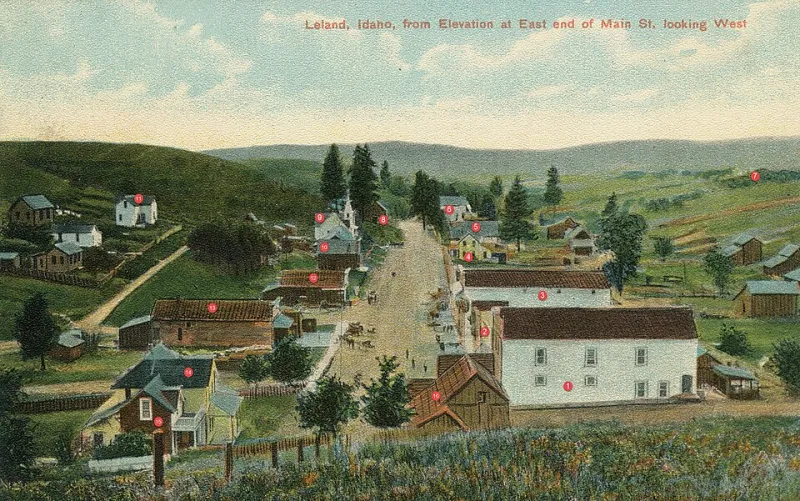
American cities once organized themselves around lunch. Downtown districts pulsed with a daily rhythm as predictable as tides. At noon, the streets filled with people walking to their favorite spots. Lunch counters, cafeterias, and small restaurants formed the social infrastructure of working life.
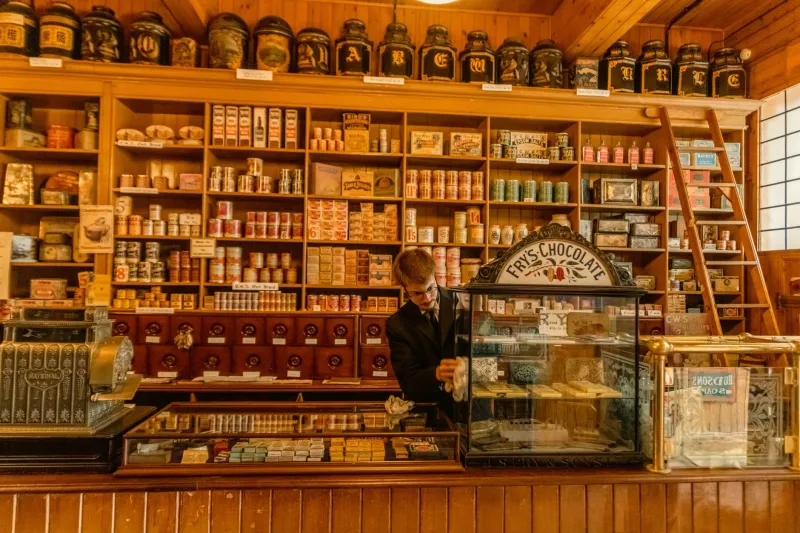
These weren't fancy places. They were democratic spaces where the bank president might sit next to the mailroom clerk, both ordering the daily special. The lunch counter was America's great equalizer – everyone needed to eat, and everyone deserved to eat well.
Today's food courts and chain restaurants in office building lobbies pale in comparison. They're designed for speed, not connection. For efficiency, not enjoyment. For consuming calories, not taking a break.
When Lunch Meant Leaving
The most radical thing about the old lunch break was its requirement that you physically leave your workspace. You couldn't eat at your desk because eating at your desk wasn't eating – it was just another form of working.
Workers changed out of their work clothes. They washed their hands. They sat down. They used real plates and actual silverware. They talked about things that had nothing to do with work: their kids, the weather, last night's radio show, weekend plans.
This wasn't just a meal break – it was a mental reset. A daily reminder that you were a human being with needs and interests beyond your job description.
Today's "working lunch" would have been an oxymoron to previous generations. How can you truly eat while your mind is still grinding through quarterly reports? How can you digest properly while stress hormones are still flooding your system?
The Economics of Taking Time
Here's what's really changed: American business once accepted that productive workers needed unproductive time. The lunch break was considered an investment, not a cost. Well-fed, well-rested employees worked better in the afternoon.
This wasn't charity – it was smart business. Companies that provided good cafeterias attracted better workers. Businesses that respected lunch breaks had lower turnover. The hour spent away from work paid dividends in the hours spent working.
Somewhere along the way, we decided this was inefficient. We convinced ourselves that eating while working was a sign of dedication rather than dysfunction. We turned lunch into just another opportunity to optimize productivity.
What We Lost When We Stopped Stopping
The death of the real lunch break represents more than just a change in eating habits. It signals a fundamental shift in how Americans think about work, time, and human dignity.
We've lost the idea that workers deserve genuine rest during the day. We've abandoned the notion that good food should be accessible to everyone, not just those who can afford $15 salads. We've forgotten that taking time to eat properly isn't selfish – it's essential.
Most importantly, we've given up on the radical idea that there are some things more important than being constantly productive. Sometimes the most productive thing you can do is stop producing and just be human for an hour.
The lunch counter that once fed a nation has closed. But the hunger it satisfied – for real food, real rest, and real respect for workers' basic needs – remains as strong as ever.