The Treasure Hunt That Built Minds: When Finding Facts Was Half the Fun

The Quest Begins at the Card Catalog
Picture this: It's 1982, and you're a curious 12-year-old with a burning question about how airplanes fly. Your mission, should you choose to accept it, involves a bike ride to the library, a conversation with a real human librarian, and a journey through a wooden cabinet filled with thousands of index cards organized by an ancient system called the Dewey Decimal Classification.
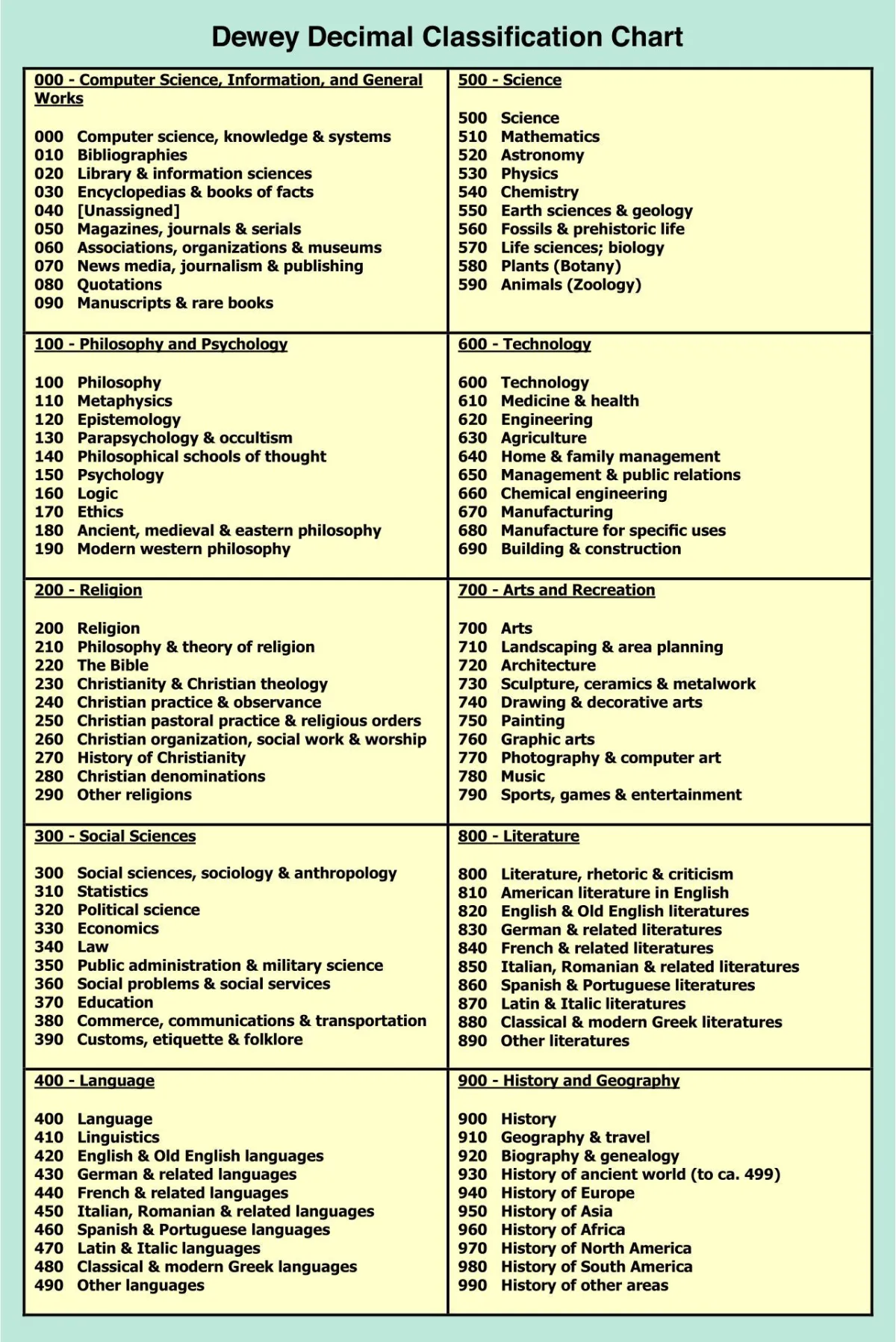 Photo: Dewey Decimal Classification, via i.pinimg.com
This wasn't inconvenience. This was adventure.
Every research project began the same way: standing before the towering card catalog, pulling out narrow wooden drawers, and flipping through cards until you found something that might, possibly, contain the information you sought. The cards offered clues, not answers: call numbers that led to specific shelves, publication dates that told you if the information might still be relevant, and tantalizing titles that promised knowledge.
When the Journey Mattered More Than the Destination
The pre-internet research experience was fundamentally different from today's instant gratification culture. Finding information required patience, strategy, and genuine intellectual curiosity. You couldn't just type "airplane aerodynamics" and get 847,000 results in 0.23 seconds.
Instead, you had to think. What subject category might contain information about flight? Physics? Transportation? Engineering? Each guess led you down a different path through the library's maze-like organization system.
Sometimes you struck gold immediately. More often, you discovered that the book you wanted was checked out, forcing you to explore alternative sources. This wasn't frustration – it was serendipity. The detour often led to better information than your original target.
The Art of Following Breadcrumbs
Pre-internet research was like following a treasure map where X never marked the spot on the first try. You'd find one promising book, only to discover that its bibliography contained three more sources that looked even better. Those sources led to journal articles. The journal articles referenced studies. The studies cited experts you'd never heard of.
Each source was both an answer and a new question. Every footnote was a rabbit hole worth exploring. You'd start researching airplane flight and end up reading about the Wright Brothers' bicycle shop, the physics of bird wings, and the history of human attempts to fly.
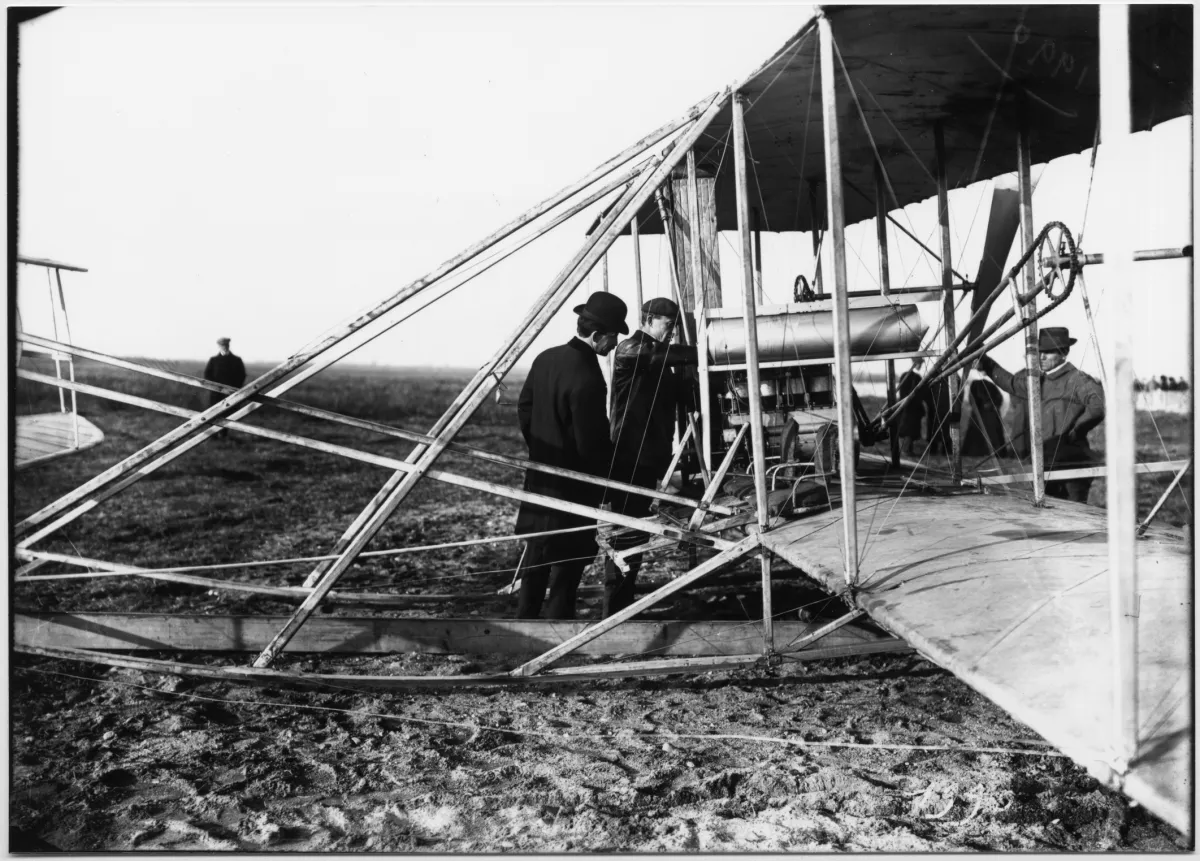 Photo: Wright Brothers, via brewminate.com
This meandering path through interconnected knowledge taught something that Google's algorithmic efficiency cannot: the understanding that information exists in relationships, not isolation. Facts don't float in a vacuum – they're connected to other facts, other ideas, other questions worth asking.
The Democracy of Limited Resources
The old library system was beautifully democratic in its limitations. Everyone – rich kid, poor kid, genius, struggling student – had access to the same resources and faced the same challenges. Success depended on curiosity, persistence, and the willingness to ask for help, not on having the latest technology or the fastest internet connection.
Librarians weren't just book-sorters; they were knowledge guides who could point you toward sources you never would have found on your own. A good librarian could transform your vague question into a productive research strategy, teaching you not just what to look for but how to look for it.
This human element added richness to the research process that automated search algorithms can't replicate. Librarians asked follow-up questions that refined your thinking. They suggested alternative approaches when your first strategy hit a dead end. They taught you to think like a researcher, not just a fact-collector.
The Satisfaction of Earned Knowledge
There's something profoundly different about information you had to work to obtain. When you finally found that perfect source after an hour of searching, the knowledge felt earned, valuable, worth remembering. The effort invested in finding information made it stick in ways that effortless googling simply cannot match.
Pre-internet research also taught the crucial skill of evaluation. With limited sources available, you learned to read critically, to compare different perspectives, to understand the difference between primary and secondary sources. You couldn't just click to the next result if you didn't like what you found – you had to engage with the information that was available.
The Beautiful Inefficiency of Discovery
Yes, the old system was slower. Yes, it was sometimes frustrating. Yes, you occasionally spent entire afternoons pursuing dead ends. But this "inefficiency" served a purpose that we've only begun to understand now that it's gone.
The friction of traditional research built intellectual muscles that instant access has allowed to atrophy. Patience. Persistence. The ability to synthesize information from multiple sources. The willingness to sit with uncertainty while you gathered more evidence.
Most importantly, the old system taught that good questions are often more valuable than quick answers. When finding information required effort, you learned to ask better questions before you started looking.
What We Lost When Everything Became Searchable
Today's students can access more information in five minutes than previous generations could find in five weeks. This is undeniably powerful. But something essential was lost in the translation from quest to query.
We've traded the art of research for the science of search. We've exchanged deep investigation for surface skimming. We've given up the satisfaction of intellectual discovery for the convenience of instant answers.
Modern students know how to find information, but they often struggle with why that information matters or how it connects to bigger ideas. They can locate facts quickly but have trouble building those facts into genuine understanding.
The Paradox of Infinite Access
The internet promised to democratize knowledge by making information freely available to everyone. In many ways, it succeeded. But it also created a paradox: when everything is searchable, nothing feels particularly valuable. When answers are instant, questions become lazy.
The card catalog and the dusty stacks taught something that Google cannot: that knowledge worth having is knowledge worth seeking. The harder you had to work to find information, the more likely you were to remember it, understand it, and use it wisely.
Somewhere between the wooden drawers of the card catalog and the search bar of the smartphone, we lost the understanding that the best education isn't about accessing information – it's about developing the curiosity and persistence to seek understanding, even when the path isn't obvious and the answers aren't immediate.