When Neighborhoods Built Dreams From Scratch: The Lost Era of Grassroots Baseball Fields

Drive through any American suburb today and you'll spot them: pristine baseball complexes with corporate logos blazoned across outfield walls, electronic scoreboards, and gates that stay locked until someone pays the registration fee. These aren't community gathering spots—they're businesses disguised as ballparks.
Fifty years ago, the story was completely different.
The Volunteer Army That Moved Mountains
In 1970s America, building a Little League field was a neighborhood event that rivaled barn raisings. When parents in Millfield, Ohio decided their kids needed a proper diamond, they didn't hire contractors or apply for grants. They showed up on Saturday mornings with shovels, rakes, and a shared determination to carve something permanent from an empty lot.
 Photo: Millfield, Ohio, via www.visitmorgancountyohio.com
Bob Martinez, who helped build three fields in suburban Detroit during the 1980s, remembers the ritual: "First Saturday of April, every dad in the neighborhood would show up. Didn't matter if you were a plumber or a bank president—everyone grabbed a tool. We'd spend eight hours moving dirt, laying sod, painting foul lines. By evening, we had blisters and a ballpark."
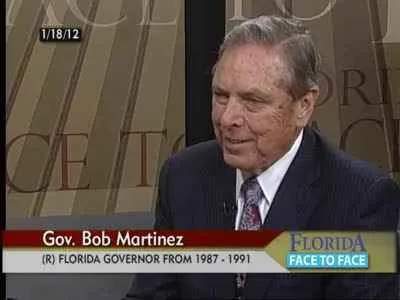 Photo: Bob Martinez, via cfvod.kaltura.com
The financing was equally grassroots. Bake sales funded backstops. Car washes bought bases. The annual spaghetti dinner might raise enough for dugout benches that would last twenty years. Every dollar came from the community because every family had skin in the game.
Fields Named for Love, Not Money
Those diamonds carried names that meant something. Peterson Field honored the coach who volunteered for fifteen seasons without missing a practice. Murphy Diamond remembered the umpire who called balls and strikes for two decades, then died of a heart attack during the championship game. These weren't naming rights deals—they were community memorials.
 Photo: Peterson Field, via ramshop.ca
The fields themselves reflected their origins. Home plate might be slightly crooked because Jim's measuring tape was bent. The pitcher's mound sat a few inches higher than regulation because that's how the volunteers built it. Nobody cared about perfection; they cared about permanence.
The Great Sorting
Today's youth baseball operates on entirely different principles. Travel leagues have replaced neighborhood teams. Elite academies have replaced volunteer coaches. Corporate sponsors have replaced bake sales. The result is a system that sorts kids by family income rather than proximity to home.
A typical travel baseball season costs families between $3,000 and $8,000. That covers league fees, equipment, travel expenses, and tournament entry costs. Compare that to 1985, when Little League registration cost $25 and every kid in the neighborhood could afford to play.
The fields themselves have become monuments to exclusion rather than inclusion. Locked gates keep out anyone who hasn't paid the fee. Professional groundskeepers maintain surfaces too perfect for pickup games. Electronic scoreboards display corporate logos instead of hand-painted team names.
What Died With the Volunteer Spirit
The shift from community-built fields to corporate complexes represents more than changing economics—it's the death of a civic ritual that once united neighborhoods across class lines. When parents built fields together, they created bonds that lasted decades. Kids saw adults working toward shared goals. Neighborhoods developed identity around their diamonds.
Those volunteer workdays taught lessons that no classroom could replicate. Children learned that adults could disagree about politics but still work together on Saturday mornings. They watched their parents solve problems through cooperation rather than competition. They understood that good things required effort from everyone.
The old system also created what sociologists call "social capital"—the web of relationships that makes communities function. When everyone contributed to building the field, everyone felt ownership. Parents knew each other's names. Kids played with neighbors instead of strangers. The baseball season became a six-month community celebration.
The Price of Perfection
Modern baseball facilities are undeniably superior in technical terms. The fields are flatter, the grass greener, the amenities more complete. But perfection came with hidden costs that extend far beyond registration fees.
Today's travel leagues create artificial scarcity around youth sports. Only the most talented kids make elite teams. Only the wealthiest families can afford the expenses. Only the most committed parents can handle the travel schedules. The result is a system that serves fewer children while demanding more from everyone involved.
The community element has vanished entirely. Parents sit in folding chairs scrolling their phones instead of talking to neighbors. Kids play against strangers from distant towns instead of friends from school. Coaches are hired professionals instead of volunteer neighbors.
The Fields That Remember
A few community-built diamonds still survive, scattered across America like archaeological sites from a different era. They're smaller than modern complexes, rougher around the edges, maintained by aging volunteers who remember when building something together was how neighborhoods worked.
These fields tell a story about what America once valued: cooperation over competition, community over commerce, participation over perfection. They remind us that the best youth sports weren't about creating future professionals—they were about creating future citizens.
When we replaced volunteer-built fields with corporate complexes, we didn't just change where kids play baseball. We changed how communities work, how neighbors relate, and what children learn about cooperation. The handshake that once built a ballpark has become a contract that builds a business.
The fields are prettier now, but the neighborhoods are lonelier.