The Wish Book Revolution: How America Shopped From a 1,000-Page Paper Amazon

Every August, it arrived like Christmas in summer: the new Sears catalog, thick as a small-town phone book and heavy with possibility. Families gathered around kitchen tables to flip through its pages, planning purchases, marking favorites, and dreaming about the life those products might create.
For millions of Americans, especially those in small towns and rural areas, this wasn't just a catalog. It was their entire retail universe, compressed into a thousand pages of carefully staged photographs and detailed descriptions. Before Amazon, before shopping malls, before overnight delivery, there was the Wish Book—and it shaped how America shopped, dreamed, and connected to the wider world.
Democracy in a Mailbox
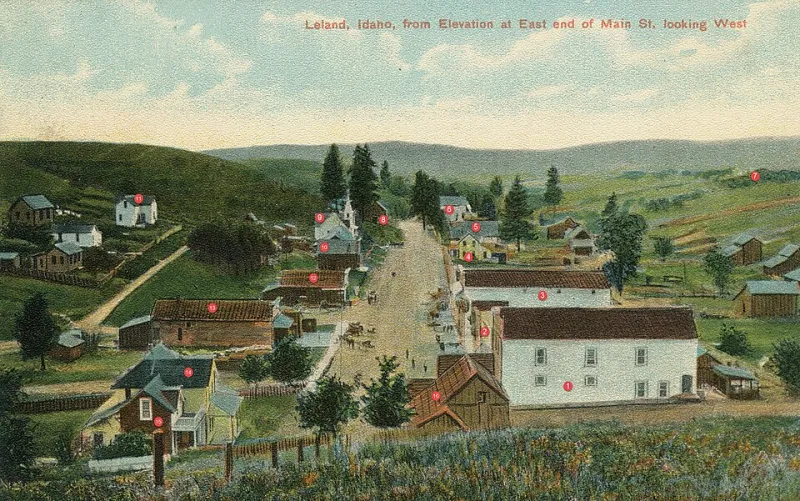
The mail-order catalog revolution began in the 1890s when Richard Sears and Alvah Roebuck recognized a fundamental problem: most Americans lived nowhere near stores that carried quality merchandise. Rural families might have access to a general store with basic supplies, but finding a decent winter coat or a reliable washing machine required a trip to the nearest city—often a day's journey by horse and wagon.
Sears changed that equation by bringing the department store to every American doorstep. The company's massive distribution centers could offer selection and prices that no local merchant could match. A farmer in Nebraska could buy the same Craftsman tools as a factory worker in Detroit, often for less money and with a satisfaction guarantee that local stores rarely offered.
By the 1950s and 60s, the Sears catalog had become America's shopping bible. The fall "Wish Book" featured toys and gifts that defined Christmas morning for an entire generation. The spring catalog introduced families to the latest fashions and home improvements. And the smaller specialty catalogs covered everything from automotive parts to musical instruments.
The Art of Anticipation
Catalog shopping required patience that would seem absurd to today's consumers. Orders took 2-6 weeks to arrive, depending on the item and your location. There was no tracking number, no delivery window, no ability to change your mind after clicking "buy now." You filled out an order form by hand, calculated shipping costs with a pencil, and mailed a check or money order.
Then you waited.
But that waiting was part of the magic. Children spent weeks anticipating Christmas gifts they'd circled in the toy section. Families planned summer around the arrival of camping gear ordered in March. The delay between wanting something and receiving it created a sense of anticipation and gratitude that instant gratification can never replicate.
When packages finally arrived, often delivered by the local postmaster who knew everyone in town, the unwrapping felt like a small celebration. The items had weight and significance because they'd been chosen deliberately, waited for patiently, and paid for carefully.
More Than Shopping: A Cultural Institution
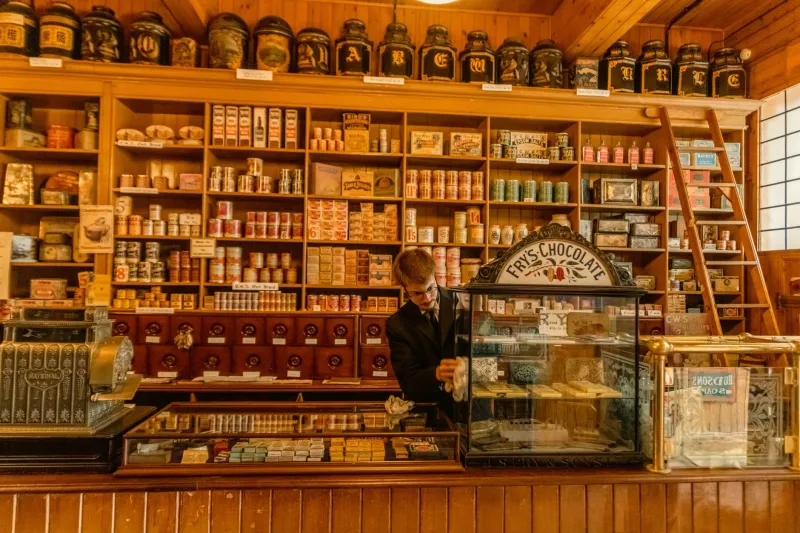
The catalog wasn't just about buying things—it was about imagining possibilities. Rural families used it to stay connected to mainstream American culture, to see what people in cities were wearing, how they decorated their homes, what gadgets were making life easier.
For children, especially those in isolated areas, the toy section was pure fantasy literature. Kids would spend hours planning elaborate Christmas lists, comparing the merits of different bicycle models, or dreaming about the elaborate dollhouse that cost more than their father made in a month.
The catalog also served as an informal education system. Detailed product descriptions taught families about new technologies and materials. Fashion sections showed how clothes should fit and be coordinated. Home improvement sections introduced concepts like modern appliances and decorating trends.
Many families kept old catalogs for years, using them as reference materials for repairs, comparison shopping, or simply nostalgia. The thick paper and sturdy binding made them durable enough to survive in barns, workshops, and kitchen drawers long after the products inside were discontinued.
The House That Sears Built
Perhaps the most ambitious catalog offering was Sears' Modern Homes program, which sold entire houses through the mail from 1908 to 1940. Customers could order everything from a modest two-bedroom cottage to a grand colonial mansion, complete with all materials, fixtures, and detailed construction plans.
These kit homes arrived by railroad car as numbered pieces, ready for assembly by local contractors or ambitious homeowners. Over 70,000 Sears houses were built across America, many of which still stand today as testament to the catalog's reach and quality.
Imagine explaining this to someone today: you could order an entire house from a catalog, have it delivered by train, and build it in your backyard. The logistics alone seem impossible, yet it worked so well that Sears competitors like Montgomery Ward and Aladdin Company offered similar programs.
The Personal Touch in Mass Marketing
Despite serving millions of customers, catalog companies managed to maintain a surprisingly personal relationship with their buyers. Customer service representatives often handled the same geographic regions for years, getting to know repeat customers by name and preferences.
Sears guaranteed satisfaction on everything they sold, often replacing or refunding items with minimal questions asked. This wasn't just good business—it was necessary when customers might be hundreds of miles from the nearest Sears store and dependent on mail-order service for everything from work clothes to wedding dresses.
The company's rural customers developed fierce loyalty to the Sears brand, often passing that preference down through generations. Families would proudly point out that their refrigerator, lawn mower, and father's work boots all came from Sears, ordered from catalogs spanning decades.
The Death of Patience
The catalog era began its decline in the 1970s and 80s as shopping malls proliferated and Americans became increasingly mobile. Why wait six weeks for a dress when you could drive to the mall and try on dozens that afternoon? The instant gratification of in-person shopping started to make mail-order seem quaint and slow.
Credit cards accelerated the change by making impulse purchases easier and reducing the deliberate nature of catalog ordering. When you had to write a check and calculate shipping costs, every purchase required thought and planning. Credit cards made buying as simple as catalog browsing once was.
The internet delivered the final blow by combining catalog convenience with instant gratification. Why flip through pages when you could search for exactly what you wanted? Why wait for delivery when you could see real-time inventory and track packages minute by minute?
Sears discontinued its general merchandise catalog in 1993, ending an era that had lasted over a century. The company cited declining sales and the rise of specialty catalogs, but really, America had simply outgrown the patience required for traditional catalog shopping.
What the Algorithm Can't Deliver
Today's e-commerce offers selection and convenience that catalog shoppers could never have imagined. Amazon's recommendation algorithms know your preferences better than any human clerk. One-click ordering makes buying easier than ever. Same-day delivery has eliminated waiting almost entirely.
But something was lost in that evolution. The catalog created a ritual of anticipation and planning that made purchases feel significant. Families gathered to make decisions together, weighing options and discussing priorities. The physical catalog became a shared reference point for dreams and aspirations.
Modern shopping is efficient but solitary. We browse alone on screens, buy impulsively, and often forget what we've ordered by the time it arrives. The abundance of choice and speed of delivery has paradoxically made individual purchases feel less meaningful.
The catalog era reminds us that sometimes the journey matters as much as the destination. When buying something required time, planning, and patience, the items we acquired carried more weight and meaning. In our rush to get everything instantly, we may have lost the simple pleasure of looking forward to something special arriving in the mail.
The next time you're frustrated by a delayed Amazon delivery, remember the families who waited six weeks for Christmas presents they'd chosen from a book—and were grateful for the opportunity.