Strike Three, You're Out: When Baseball Umpires Were Neighbors, Not Certified Officials
Strike Three, You're Out: When Baseball Umpires Were Neighbors, Not Certified Officials
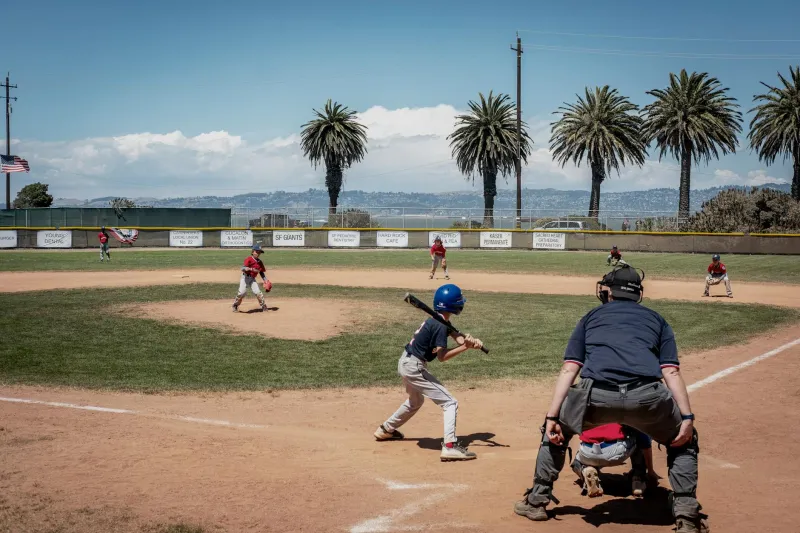
Every Saturday morning in 1975, Frank Kowalski would drive his Buick to Memorial Park, grab his chest protector from the trunk, and spend the day calling balls and strikes for the local Little League. Frank wasn't a certified official. He didn't have liability insurance or formal training. He was just a retired postal worker who loved baseball and knew every kid's name in town.
 Photo: Little League, via kupideo.com
 Photo: Memorial Park, via schijvens.nl
 Photo: Frank Kowalski, via pics.filmaffinity.com
That world is gone.
The Golden Age of the Volunteer Ump
For decades, youth baseball operated on a simple principle: games needed umpires, and communities had people willing to help. These weren't professional officials climbing their way up to the majors. They were hardware store owners, factory workers, and retirees who understood that kids needed someone behind the plate, and somebody had to do it.
The typical Little League umpire in the 1960s and 70s learned the rules by watching games and maybe reading a pamphlet. They called strikes based on decades of watching baseball, not because they'd completed a certification course. Most importantly, they knew the families. When little Tommy struck out and started crying, the umpire might walk over and remind him about that great catch he made in the third inning.
These volunteer officials operated in a world built on trust and common sense. Parents understood that Mr. Henderson from down the street was doing his best, and even when they disagreed with a call, they kept their mouths shut because they knew he'd be back next week. The social contract was simple: we need volunteers, so we treat volunteers with respect.
When Everything Changed
The transformation didn't happen overnight. It started with good intentions—improving the quality of officiating and protecting kids from bad calls. But somewhere along the way, youth baseball caught the same fever that infected every other corner of American life: the belief that formal credentials and official procedures could solve problems that used to be handled by human judgment.
Today's Little League umpire must complete training courses, pass written exams, and maintain certifications. They need background checks, insurance coverage, and continuing education credits. What used to be a weekend commitment for someone who loved the game became a bureaucratic maze that scared away the very people who made youth sports work.
The numbers tell the story. The National Association of Sports Officials estimates that referee shortages have reached crisis levels across the country, with youth baseball particularly hard hit. Games get cancelled not because of rain, but because nobody qualified is available to call them.
The Price of Professionalization
This shift reflects something deeper than just changing rules about umpires. It represents America's growing discomfort with informal authority and community-based solutions. We've decided that credentials matter more than character, that training trumps common sense, and that official procedures provide better protection than social trust.
The irony is that professionalization hasn't solved the problems it promised to fix. Youth sports are more contentious than ever, with parents screaming at officials who have more training and credentials than the volunteers they replaced. The formal system created distance between umpires and communities, turning them from neighbors into hired contractors.
Small towns feel this change most acutely. When your Little League needed three umpires for Saturday's games, you could always find three guys willing to help out. Now you need three certified officials, and the nearest ones might live two counties away. Rural leagues cancel seasons not because they lack players, but because they can't staff games with properly credentialed officials.
The Human Cost
The saddest part isn't just the logistical nightmare—it's what we lost in the translation. Those volunteer umpires weren't just calling balls and strikes; they were part of the community fabric. They knew which kid was struggling at home, which parent was going through a divorce, and which team needed a little extra encouragement.
Frank Kowalski didn't just umpire games; he taught kids how to lose with dignity and win with grace. He'd arrive early to help set up the field and stay late to make sure equipment got put away. He wasn't getting paid, so his only motivation was seeing kids learn to love baseball.
Today's certified official shows up fifteen minutes before game time, calls a professional game, and drives home. They're better trained and more consistent, but they're strangers. The human connections that made youth sports about more than just wins and losses have been systematized out of existence.
What We Traded Away
The volunteer umpire era wasn't perfect. Some guys didn't know the rules as well as they should have. Others had bad days and made questionable calls. But they were part of something larger—a community investment in its children that went beyond technical competence.
When we decided that youth baseball needed professional-grade officiating, we got exactly what we asked for. Games are called more consistently, and officials have better training. But we also got something we didn't expect: a system so complex and expensive that many communities can't afford to participate.
The transformation of Little League umpiring from neighborhood volunteers to certified professionals mirrors changes across American society. We've gained expertise and lost accessibility. We've improved quality and destroyed affordability. We've created systems that work perfectly on paper but price out the very communities they were meant to serve.
The Empty Diamond
Today, when you drive past Memorial Park on a Saturday morning, you're more likely to find empty diamonds than games in progress. Not because kids don't want to play baseball, but because the adults have made it too complicated for communities to make it happen.
Frank Kowalski is 89 now, and he still watches baseball on television. Sometimes he wonders what happened to all those kids he used to umpire for, and whether any of them remember the retired mailman who taught them that strikes were strikes, safe was safe, and baseball was supposed to be fun.
That world seems as distant now as the dead-ball era, but it was only yesterday in the grand scheme of American childhood. We traded the handshake league for the handbook league, and we're still figuring out whether it was worth it.