The Man Behind the Counter Who Could Fix Your House With Three Questions
Photo: Steve Shook from Moscow, Idaho, USA, CC BY 2.0, via Wikimedia Commons
You'd walk in with a busted pipe fitting, a vague description of the problem, and approximately zero idea what you actually needed. By the time you left — maybe twelve minutes later — you'd have the right part, a rough plan, and the quiet confidence of someone who had just been educated by a professional who happened to be standing behind a cash register.
That was the neighborhood hardware store. And for most of the twentieth century, it was one of the most quietly essential institutions in American life.
Small Store, Deep Knowledge
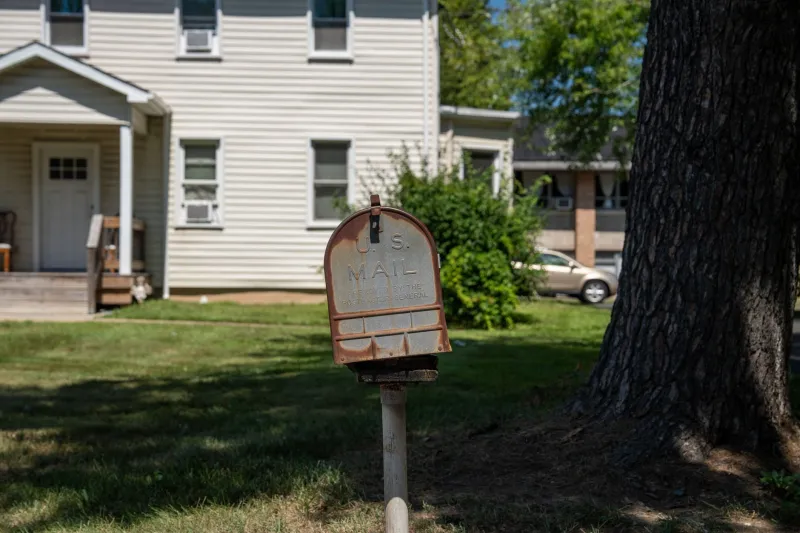
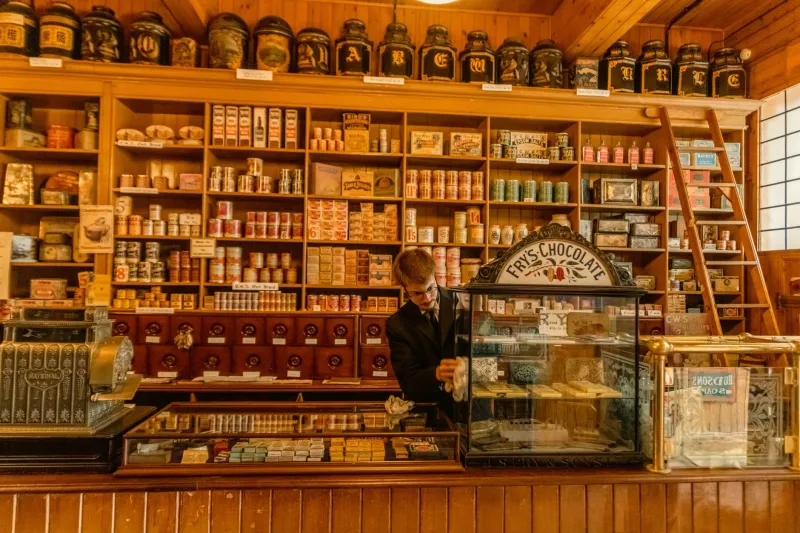
The independent hardware store operated on a model that looks almost quaint by today's standards: a modest footprint, a dense inventory, and one or two people on the floor who genuinely knew what everything was for.
These weren't retail associates trained over a weekend. They were often the owners themselves, or longtime employees who had spent years absorbing the accumulated knowledge of ten thousand repair jobs. They knew which brand of caulk held up in a humid bathroom. They knew the difference between a carriage bolt and a lag bolt and why it mattered. They could look at a washer you'd dug out of a forty-year-old faucet and tell you, without consulting anything, exactly what size replacement you needed.
The store itself reflected that expertise. Bins of hardware were organized with a logic that rewarded familiarity. Nothing was particularly pretty. The lighting was functional. The floors were wooden and worn. But everything had its place, and the person behind the counter knew every single one of those places by heart.
It Was a Diagnosis, Not a Transaction
What set the neighborhood hardware store apart wasn't inventory. It was the conversation.
You didn't walk in knowing what to buy. You walked in describing a problem. "My toilet keeps running after I flush." "There's a rattling in the wall behind the outlet." "The hinge on my screen door is pulling out of the frame." And the person on the other side of the counter would ask two or three clarifying questions — not to upsell you, but because they actually needed the information to point you in the right direction.
Then they'd walk you to the exact bin, pull out the exact part, and often explain how to install it while they were ringing you up. The whole interaction might cost you eight dollars and fifteen minutes. You'd go home and fix the thing yourself, which made you feel capable and competent in a way that ordering a part online and watching a YouTube tutorial simply doesn't replicate.
There was a transfer of knowledge happening in those stores that we haven't found a digital substitute for.
The Warehouse Took Over
Home Depot opened its first stores in 1979. Lowe's had been around since 1946 but expanded aggressively through the 80s and 90s. By the time the millennium turned, the independent hardware store had largely been squeezed into the margins of American retail.
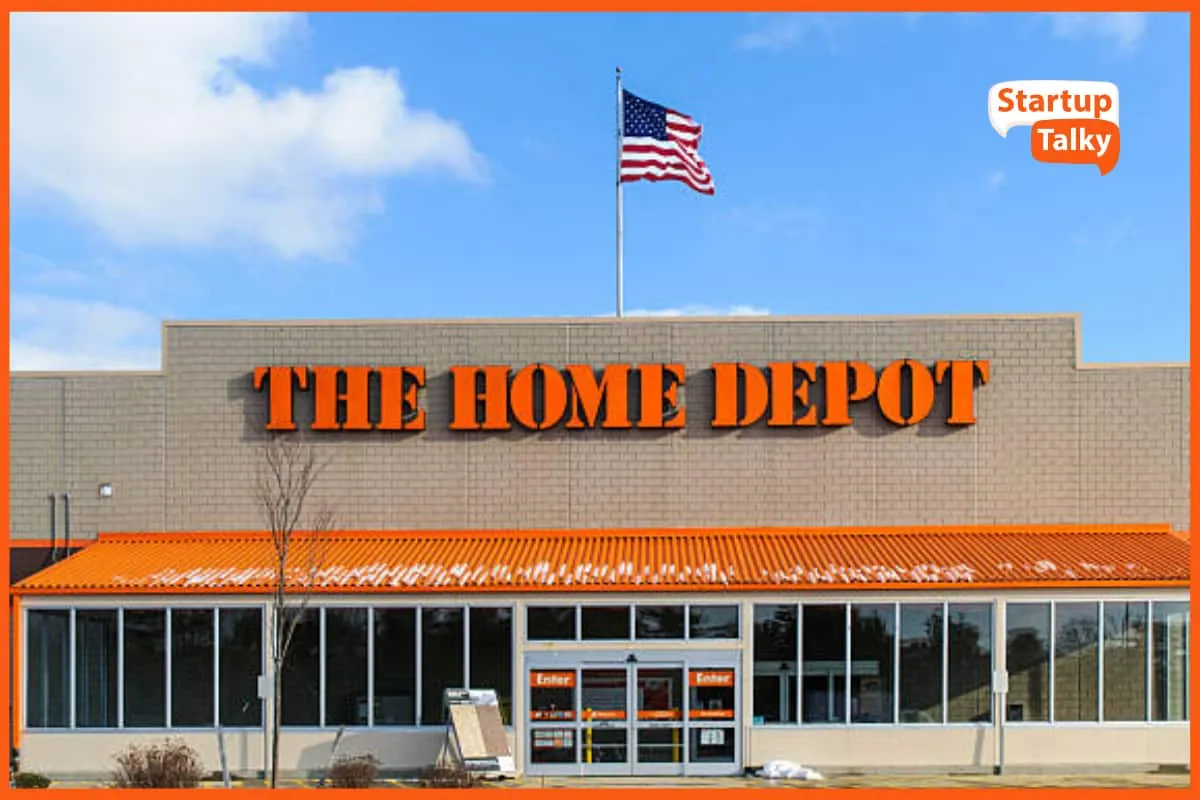 Photo: Home Depot, via static.startuptalky.com
The warehouse model offered something genuinely attractive: more of everything, under one roof, at lower prices. You could buy lumber, appliances, garden supplies, and power tools in a single trip. For the price-conscious consumer, it was hard to argue with.
But something got lost in the square footage.
The scale that made the big box stores powerful also made deep expertise nearly impossible to staff. When you're running a 100,000-square-foot floor with hundreds of product categories, you can't realistically expect every employee to know the plumbing aisle as well as the old hardware store owner knew his entire shop. The result is what any DIYer will recognize: wandering down an aisle the length of a city block, unable to find what you need, finally flagging down a staff member who looks at your faucet washer with the same blank expression you arrived with.
The inventory got bigger. The knowledge got thinner.
What the Old Store Actually Gave You
Beyond the practical help, the neighborhood hardware store did something that's easy to undervalue until it's gone: it kept the American homeowner connected to the idea that they could fix things themselves.
There's a specific confidence that comes from walking out of a store with the right part and a clear understanding of what to do with it. It makes you more likely to try the next repair. And the one after that. The hardware store owner was, in a very real sense, a quiet educator — someone who passed along practical knowledge one transaction at a time, to people who would then use it, share it, and build on it.
The big box stores aren't designed around that transfer. They're designed around volume. And the apps and YouTube tutorials that have filled the gap are genuinely useful, but they're also impersonal in a way that changes the experience. Nobody on a tutorial video knows your house, your pipes, or your particular brand of forty-year-old faucet.
A Few Are Still Out There
The independent hardware store isn't completely extinct. In smaller towns and older urban neighborhoods, a few survivors remain — places where the owner still knows your name, still asks about the deck project you started two summers ago, still stocks the obscure metric bolt that the warehouse chain dropped from its inventory because it didn't move enough units.
Walk into one of those stores and the difference is immediate. The smell of sawdust and machine oil. The narrow aisles packed with purpose. The person behind the counter who looks up when you walk in, not because a corporate training module told them to, but because they're genuinely curious what brought you in today.
Spend fifteen minutes in one of those places and you'll understand exactly what we gave up when we traded expertise for acreage.