Pull Over Anywhere: When America's Motels Welcomed Strangers Without Reservations
Pull Over Anywhere: When America's Motels Welcomed Strangers Without Reservations
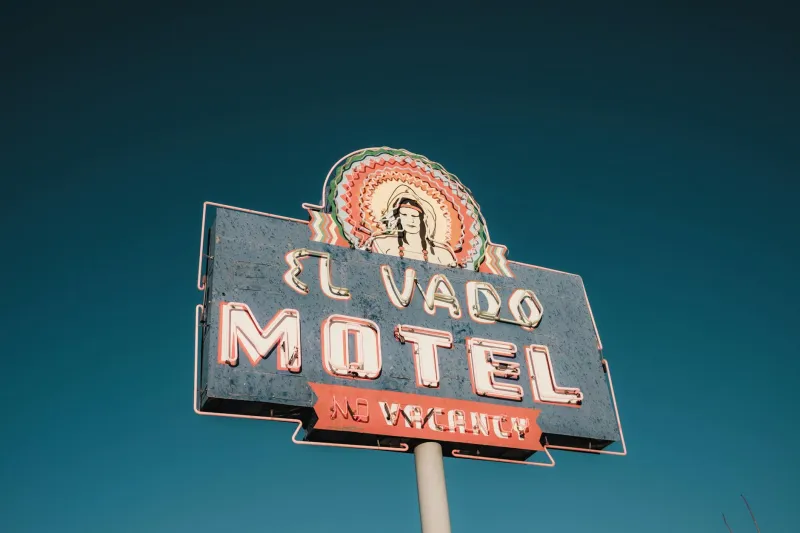
The ritual was sacred in its simplicity. You'd been driving for hours, the kids getting restless in the back seat, when you'd spot it through the windshield: a neon sign cutting through the twilight, promising "Vacancy" in electric blue letters. No phone calls, no credit card pre-authorization, no online reviews to scroll through. You'd pull into the gravel parking lot, walk into a small office that smelled like coffee and Pine-Sol, and five minutes later you'd have a key to a clean room for the night.
That America has vanished as completely as the Burma-Shave signs that once dotted the same highways.
The Democracy of the Road
From the 1940s through the 1980s, the American roadside motel represented something revolutionary: universal access to shelter. These weren't luxury accommodations, and they weren't trying to be. They were functional, affordable, and most importantly, available to anyone with twenty dollars and a willingness to trust a handshake.
The typical motor lodge of 1965 charged between $8 and $12 per night—roughly $65 to $95 in today's money. For that price, you got a clean room with two beds, a private bathroom, air conditioning, and often a small swimming pool where road-weary kids could burn off energy while parents planned the next day's drive. No advance booking required, no minimum stay, no hidden fees.
The owners lived on-site, usually in a small apartment behind the front office. They knew their business depended on repeat customers and word-of-mouth recommendations, so they maintained their properties meticulously. A family-run motel with a reputation for cleanliness and fair dealing could thrive for decades on nothing but highway traffic and tourist guidebook listings.
The Art of Spontaneous Travel
This system enabled a kind of freedom that modern travelers have largely forgotten: the ability to hit the road without knowing exactly where you'd sleep each night. Families would pile into station wagons for cross-country adventures, armed with nothing but road maps and the confidence that America's highways were lined with affordable shelter.
The spontaneity wasn't just about adventure—it was economically practical. Without the need for advance reservations, travelers could adjust their plans based on weather, traffic, or simple whim. If the kids were enjoying the roadside dinosaur park in South Dakota, you could stay an extra day without worrying about cancelled hotel reservations three states away.
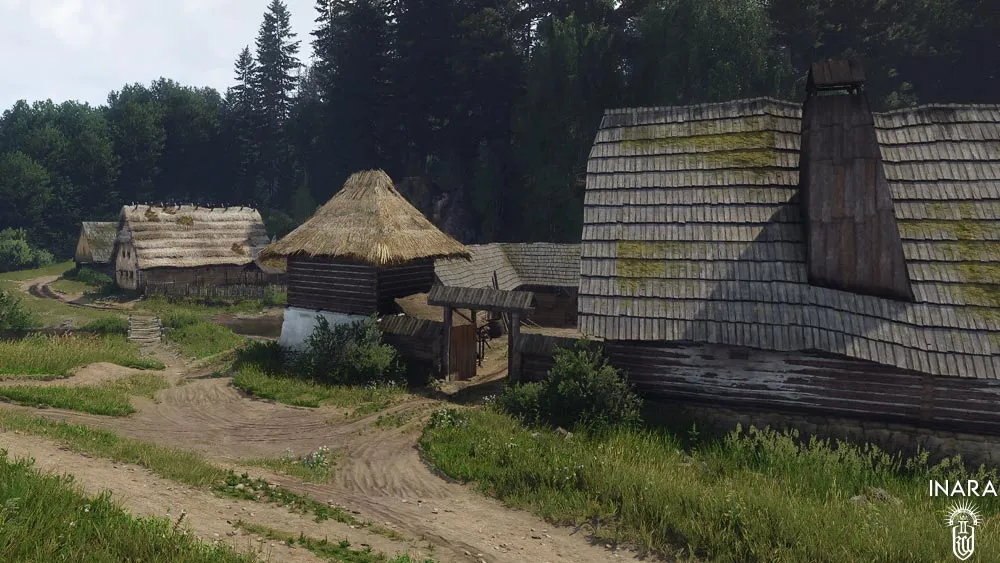 Photo: South Dakota, via inara.cz
Roadside motels competed not on amenities but on reliability. The best ones earned reputations that spread through families like folk wisdom: "Always stop at the Desert Palms outside Flagstaff" or "The Sleepy Inn in Amarillo has the best coffee." These recommendations carried weight because they came from actual experience, not algorithm-generated ratings.
The Trust Economy
The motel era operated on assumptions that seem quaint today. Owners trusted guests to pay upon arrival rather than requiring credit card guarantees. Travelers trusted roadside establishments based on nothing more than clean windows and fresh paint. The entire system ran on mutual faith rather than legal protections.
This trust wasn't naive—it was practical. Motel owners who cheated customers didn't survive long in competitive highway markets. Guests who caused problems found themselves unwelcome at similar establishments down the road. The informal network of family-owned motels created its own accountability system.
Most importantly, the low barrier to entry meant that almost any American family could afford to travel. A week-long cross-country trip might cost $100 in lodging—expensive for some families, but within reach for the growing middle class. The democratic nature of motel travel meant that factory workers and executives often stayed in the same establishments, creating a shared experience of American mobility.
When Everything Went Corporate
The death of the independent roadside motel wasn't sudden, but it was thorough. Chain hotels began appearing along interstate highways in the 1960s, offering standardized amenities and recognizable brands. Holiday Inn's famous slogan—"The best surprise is no surprise"—perfectly captured the new philosophy: predictability over personality.
Corporate hotels brought genuine improvements: better soundproofing, more consistent maintenance, professional management. But they also brought corporate pricing, franchise fees, and operational requirements that made spontaneous travel increasingly expensive. A room that might have cost $12 at a family motel in 1975 could cost $35 at a Holiday Inn—still affordable, but representing a significant shift toward premium positioning.
The real killer, though, wasn't corporate competition—it was the internet. Online booking systems revolutionized travel planning, but they also destroyed the economics of the vacancy sign. Why maintain a front desk and on-site management when customers could book rooms remotely? Why compete on location and service when travelers chose hotels based on photos and reviews posted by strangers?
The Algorithm Takes Over
Today's traveler approaches lodging completely differently. We research options weeks in advance, compare prices across multiple platforms, read dozens of reviews, and book rooms with credit cards that provide fraud protection and cancellation insurance. The process is more efficient and arguably safer, but it's also more expensive and infinitely more complex.
The spontaneous road trip—pulling off the highway when you get tired and finding shelter within your budget—has become nearly impossible. Budget motels still exist, but they're often located in areas where travelers feel unsafe stopping. Mid-range options require advance booking during busy seasons. The reliability that once made impromptu travel feasible has been replaced by systems that reward planning and punish spontaneity.
Modern hotel pricing reflects this new reality. Dynamic pricing algorithms adjust rates based on demand, local events, and booking patterns. A room that costs $89 on Tuesday might cost $189 on Friday, not because the service is different, but because the computer knows you'll pay more for weekend travel. The transparency of highway-side pricing has been replaced by the opacity of yield management.
What We Lost on the Road
The decline of the roadside motel represents more than just changing business models—it reflects America's growing discomfort with uncertainty and informal arrangements. We've gained efficiency and lost adventure. We've improved safety and destroyed affordability. We've created systems that work perfectly for planned travel but make spontaneous exploration prohibitively complex.
The families who once discovered America one vacancy sign at a time have been replaced by travelers who experience the country through predetermined itineraries and pre-booked accommodations. We see more of America than ever before, but we experience less of it as an authentic surprise.
The Neon Graveyard
Drive the old highways today and you'll see the remnants: abandoned motor lodges with empty swimming pools, their neon signs dark or converted to LED displays advertising weekly rates rather than nightly stays. Some have been converted to budget housing or storage facilities. Others sit empty, monuments to a time when American travel was defined by possibility rather than planning.
The vacancy sign promised something more than just a room for the night—it promised that America had space for everyone, that adventure was always one exit away, and that sometimes the best part of a journey was not knowing exactly where you'd end up.
That promise still glows in our collective memory, even as the signs themselves fade into history.