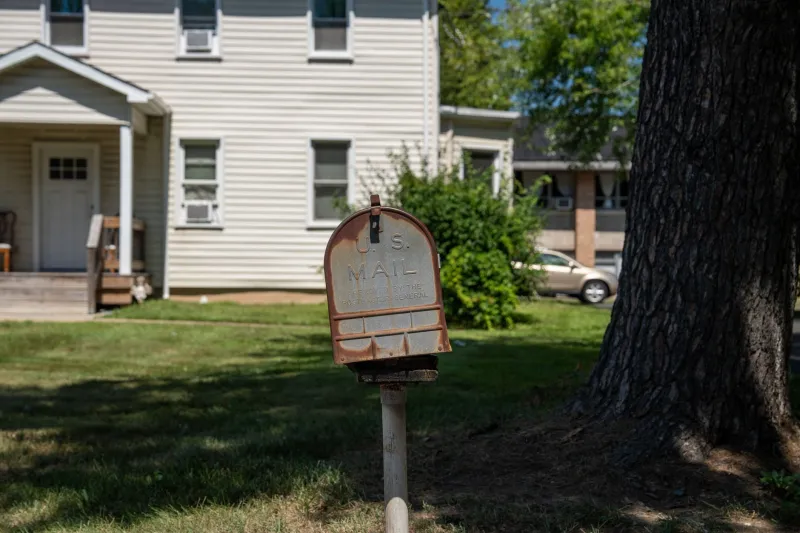
Grease Under the Fingernails: When American Dads Were Their Own Auto Shops
The Saturday Morning Ritual
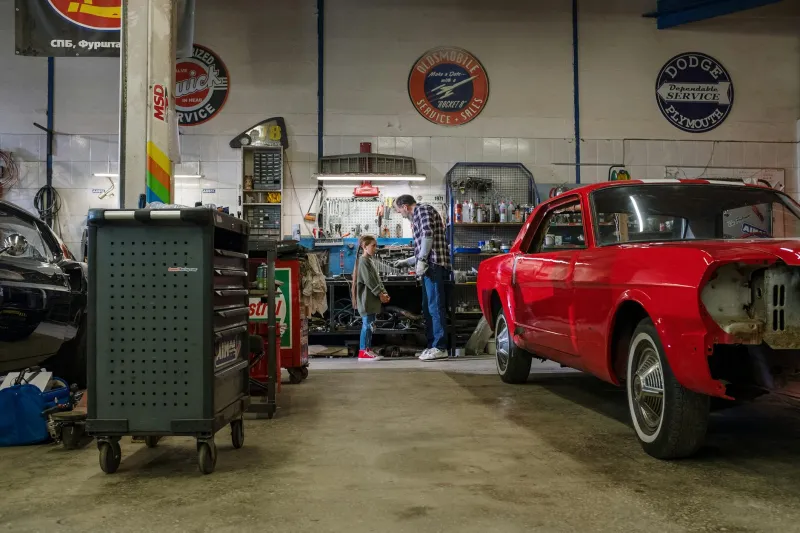
Every Saturday morning across America, the sound of wrenches hitting concrete and engines turning over echoed through suburban neighborhoods. Fathers in oil-stained coveralls hunched over open hoods, their children beside them holding flashlights and learning the difference between a Phillips head and a flathead screwdriver.
This wasn't just car maintenance—it was a rite of passage. Your dad didn't just own a car; he understood every bolt, belt, and bearing that kept it running. The family garage wasn't just storage space for lawn mowers and Christmas decorations. It was mission control for a machine that represented freedom, responsibility, and the distinctly American belief that if something broke, you fixed it yourself.
When Cars Were Puzzles, Not Black Boxes
In 1975, a typical American sedan contained roughly 3,000 parts. Most of them were mechanical, visible, and comprehensible to anyone willing to get their hands dirty. Pop the hood of a Chevy Nova or Ford Mustang, and you could trace every system with your eyes. The carburetor mixed air and fuel. The distributor timed the spark. The radiator cooled the engine. Simple. Logical. Fixable.
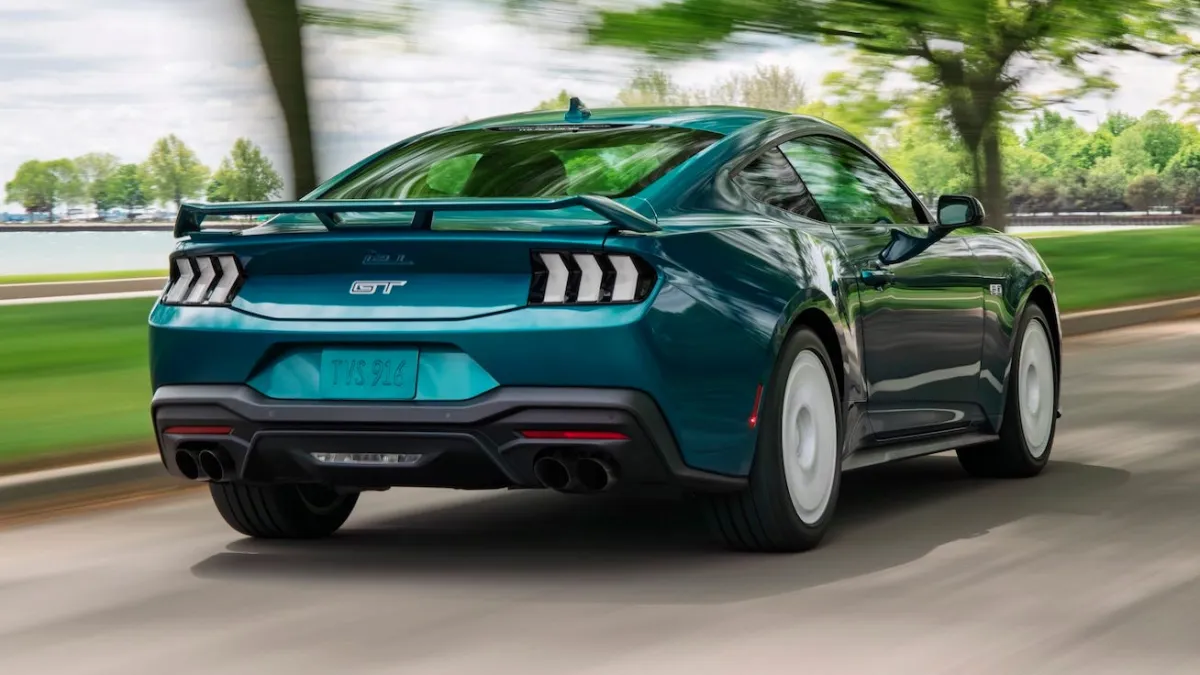 Photo: Ford Mustang, via hips.hearstapps.com
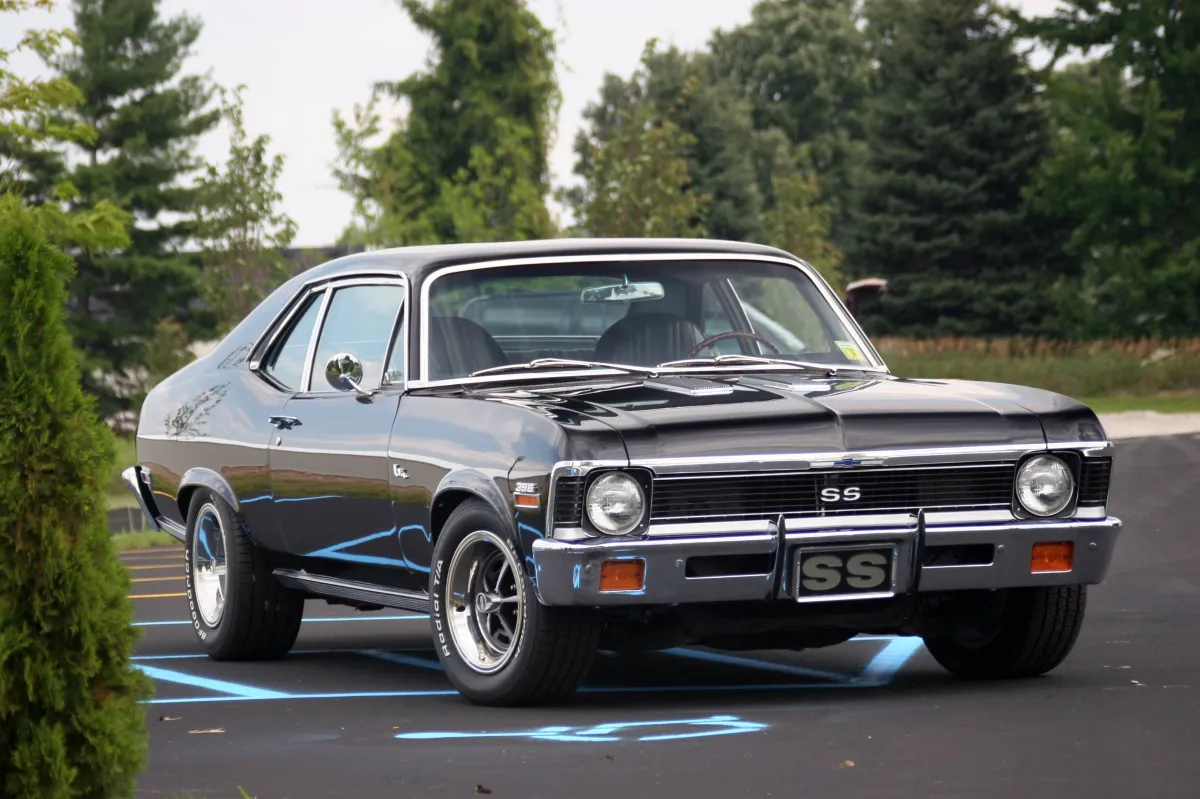 Photo: Chevy Nova, via cdn.wallpapersafari.com
A weekend oil change cost about $3 in parts and an hour of your time. Brake pads? Fifteen dollars and an afternoon. Even rebuilding an engine was within reach of a determined amateur with a Chilton repair manual and access to a parts store.
The local auto parts counter became a gathering place for shade-tree mechanics. Behind that counter stood someone who actually knew the difference between a 289 and a 302 engine, who could recommend the right spark plug gap for your specific year and model, and who'd throw in a free gasket if you were a regular customer.
The Death of the Driveway Mechanic
Today's vehicles contain over 30,000 parts, with computer systems controlling everything from fuel injection to seat position memory. A modern car runs on dozens of interconnected networks that communicate through protocols with names like CAN bus and LIN bus—languages as foreign to most drivers as ancient Sanskrit.
Want to change your oil? Hope you can locate the drain plug hidden behind plastic splash guards and electronic sensors. Need to replace brake pads? Better have a computer scan tool to retract the electronic parking brake calipers. Planning to swap out a dead battery? You'll need to reprogram the charging system so it recognizes the new battery's specifications.
The diagnostic equipment required to troubleshoot a modern vehicle often costs more than the car itself was worth twenty years ago. Professional-grade scan tools run $10,000 to $50,000, putting them far beyond the reach of weekend warriors who once solved problems with a $20 multimeter and good instincts.
What We Lost in Translation
The disappearance of the backyard mechanic represents more than just economic inconvenience. It marked the end of a relationship between Americans and their machines that fostered self-reliance, problem-solving skills, and the satisfaction of fixing something with your own hands.
Fathers once passed down mechanical knowledge the way previous generations shared farming techniques or woodworking skills. Kids learned that complex problems could be broken down into manageable steps, that persistence often mattered more than expertise, and that the difference between being helpless and being capable often came down to willingness to try.
The ritual of working on cars together created bonds between generations and neighbors. Borrowing tools, sharing expertise, and helping each other solve mechanical puzzles built communities in ways that scheduling service appointments never could.
The Price of Progress
Modern vehicles are undeniably superior to their predecessors. They're safer, more reliable, more efficient, and cleaner. A 2023 Honda Civic will easily surpass 200,000 miles with nothing but scheduled maintenance, while its 1973 predecessor needed constant attention just to reach 100,000 miles.
 Photo: Honda Civic, via d31sro4iz4ob5n.cloudfront.net
But this reliability came with a trade-off that nobody quite anticipated. We gained convenience and lost competence. We gained efficiency and lost understanding. We gained sophistication and lost the simple satisfaction of solving our own problems.
The average American driver today knows less about their vehicle than their grandparents knew about their horses. We've become passengers in our own transportation, dependent on specialists to interpret the mysterious warning lights that illuminate our dashboards like hieroglyphics from a lost civilization.
The Sealed Hood Society
Drive through any suburban neighborhood today, and you'll notice something missing from the weekend soundscape. No more wrenches dropping on concrete. No more fathers teaching sons to gap spark plugs. No more neighbors gathering around an engine bay to diagnose a mysterious knock.
The American garage has become a storage unit for Amazon packages and exercise equipment we don't use. The toolbox that once held the promise of mechanical independence now mostly contains Allen wrenches for assembling furniture that arrived in flat packages.
We've gained vehicles that start reliably every morning and rarely leave us stranded on the roadside. But we've lost something harder to quantify: the confidence that comes from understanding how things work and the pride that comes from fixing them ourselves. In gaining perfect reliability, we've surrendered a piece of the American spirit that once insisted we could handle whatever broke down.