When Cotton Candy Cost a Quarter and Wonder Was Free: America's State Fair Revolution
When Cotton Candy Cost a Quarter and Wonder Was Free: America's State Fair Revolution
For one magical week each August, the Iowa State Fair transformed Des Moines into the center of the universe. Farmers drove in from counties three hours away to display prize-winning livestock. Families saved all year to afford the gas, admission, and maybe enough left over for elephant ears and a ride on the Tilt-a-Whirl. The fair wasn't just entertainment—it was the annual celebration of everything that made America work.
 Photo: Des Moines, via mariesparadies.de
 Photo: Iowa State Fair, via www.comptes-mym.com
Today, that same fair charges $15 for parking, $12 for admission, and $8 for a corn dog. The magic is still there, but it's become a luxury item that many working families simply can't afford.
The People's Spectacle
America's state fairs emerged in the mid-1800s as agricultural showcases, but by the 1950s they had evolved into something far more significant: the closest thing to a national celebration that a sprawling, diverse country could manage. For one week each year, entire states would focus their attention on a single location where farming, technology, entertainment, and civic pride collided in the most democratic way possible.
Admission to most state fairs in 1960 cost between 50 cents and $1.50—roughly $4 to $12 in today's money. Parking was free. A family of four could experience everything the fair offered for less than $20, including food, games, and rides. This wasn't charity pricing; it was recognition that the fair belonged to everyone, not just those who could afford premium entertainment.
The fair served as America's great equalizer. Millionaire cattle ranchers stood next to small-town mechanics, both equally mesmerized by the latest John Deere tractor or the woman who could guess your weight within five pounds. Kids from farm families mixed with city kids, all united in their determination to win a stuffed animal at the ring toss.
More Than Entertainment
What made state fairs special wasn't just the rides and games—it was their unique role as showcases for American progress. The agricultural exhibits weren't quaint displays of rural nostalgia; they were cutting-edge demonstrations of scientific advancement. Farmers traveled hundreds of miles to see new hybrid corn varieties, improved breeding techniques, and mechanical innovations that could transform their operations.
The technology pavilions offered glimpses of the future that most Americans couldn't see anywhere else. In 1939, visitors to the New York World's Fair saw television demonstrations. In 1964, the Minnesota State Fair featured computer exhibits that let ordinary people interact with machines that filled entire rooms. These weren't tourist attractions—they were previews of tomorrow, accessible to anyone with the price of admission.
The fair also served as a crucial economic engine for rural communities. Prize money for livestock competitions provided real income for farming families. Local 4-H clubs and FFA chapters raised funds through fair participation that supported youth programs throughout the year. The entire agricultural economy of many states revolved around the annual fair cycle.
The Authentic American Carnival
Before theme parks and multiplexes, the state fair midway offered the most sophisticated entertainment available to most Americans. The rides were genuinely thrilling—not because they were bigger or faster than modern attractions, but because they represented most people's only exposure to mechanical wonder.
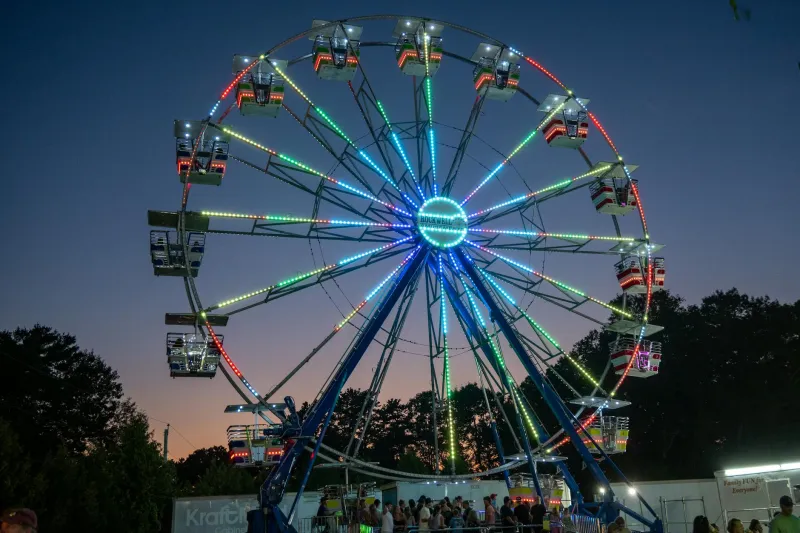
A ride on the Ferris wheel wasn't just fun; it was a rare opportunity to see your world from an impossible perspective. The carousel wasn't just nostalgic; it was genuinely exotic, featuring hand-carved horses and calliope music that most people heard only once a year. The sideshows, while often exploitative by modern standards, provided encounters with human differences that isolated communities rarely experienced.
The food culture of state fairs created its own tradition of culinary adventure. This was where America first encountered ethnic cuisines, exotic preparations, and foods-on-sticks that would later become mainstream. The fair introduced corn dogs, funnel cakes, and cotton candy to millions of Americans who had never imagined such things existed.
When Wonder Became Expensive
The transformation of America's state fairs from accessible community celebrations to premium entertainment experiences reflects broader changes in how we think about public goods and shared experiences. What was once subsidized by state governments and agricultural organizations as a public benefit is now expected to operate as a profitable enterprise.
Modern state fairs face costs that didn't exist in their golden age. Liability insurance, safety regulations, and security requirements have driven up operational expenses exponentially. The entertainment that once consisted of local bands and volunteer performers now features nationally touring acts that command five-figure fees. The simple wooden rides operated by traveling carnival families have been replaced by high-tech attractions that require specialized technicians and extensive safety protocols.
The result is pricing that puts the fair experience out of reach for many of the families it was originally designed to serve. A family of four attending the average state fair today can expect to spend $150-200 for a single day, including admission, parking, food, and a few rides. That's more than many families spend on entertainment in an entire month.
The Digital Competition
Perhaps more significantly, state fairs now compete against year-round entertainment options that didn't exist during their heyday. Why wait all year for the fair's technology exhibits when you can watch YouTube videos of cutting-edge innovations any time you want? Why pay $5 for a carnival game when your phone offers unlimited gaming for free?
The fair's role as a window into the wider world has been largely eliminated by the internet. The exotic foods, unusual sights, and technological marvels that once made the fair special are now available continuously through screens that fit in your pocket. The fair's monopoly on wonder has been broken by digital abundance.
Yet something irreplaceable has been lost in this transition. The state fair offered more than just entertainment—it provided a shared experience that bound communities together. Everyone attended the same fair, saw the same exhibits, and rode the same rides. These common experiences created social bonds that transcended economic and social differences.
The Vanishing Commons
The decline of the accessible state fair represents the broader privatization of American public life. What were once community celebrations funded by public investment have become commercial enterprises that must generate profit to survive. The democratic ideal of shared experience has been replaced by market-based access that inevitably excludes those who can't afford premium pricing.
This shift has been particularly devastating for rural communities, where the state fair often represented the year's biggest social and economic event. Small towns that once sent delegations to the fair now find that many families simply can't afford to participate. The fair that was supposed to celebrate agricultural communities has become financially inaccessible to many of the farmers and rural families it was designed to honor.
What We're Missing
Today's state fairs are often bigger, safer, and more professionally managed than their predecessors. The food is more diverse, the rides are more sophisticated, and the entertainment is more polished. But they've lost something essential: the sense that they belong to everyone.
The Iowa State Fair still draws a million visitors each year, but it's increasingly becoming a destination for tourists rather than a celebration for Iowans. The families who once saved all year to attend now make calculations about whether they can afford the experience at all. The fair that once brought communities together now sorts them by economic capacity.
In losing the accessible state fair, we've lost one of America's last truly democratic institutions—a place where wonder was affordable, technology was accessible, and community was celebrated. The cotton candy still tastes the same, but the sweetness of shared experience has been priced out of reach for the very people who made the fair worth attending in the first place.