Drive Off the Lot Today: When Car Buying Was a Conversation, Not a Corporate Siege
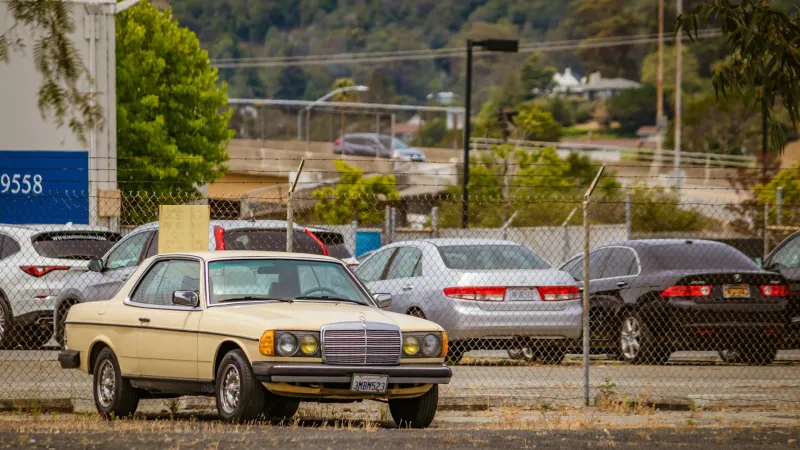
When Saturday Afternoon Could Change Your Wheels
Picture this: You walk onto a car lot at 2 PM on a Saturday. By 3:30, you're driving home in a different car, temporary paper plate tucked under your rear wiper, cash transaction complete. No credit applications. No finance manager consultations. No extended warranty presentations that feel like hostage negotiations.
This wasn't fantasy. This was how Americans bought cars for decades.
The Handshake Economy
In 1960s America, car lots operated like neighborhood businesses because that's exactly what they were. The dealer often lived in the same town, maybe even the same street, as his customers. His reputation rode on every handshake, and word traveled fast in communities where everyone knew everyone.
Walking onto the lot meant dealing directly with someone who had skin in the game. The owner might greet you personally, especially if you'd been recommended by a neighbor or if this was your second or third purchase. These weren't commissioned salespeople working for distant corporations—they were local businessmen whose success depended on satisfied customers coming back.
Negotiation happened in plain English. "I can do $2,400 for this Impala, but that's my best price." No hidden fees appeared at the last minute. No "documentation charges" or "dealer preparation" line items. The price was the price, and everyone understood what they were agreeing to.
Cash Ruled Everything Around Me
Most Americans paid cash for cars, and dealers expected it. You'd arrive with an envelope of bills, often representing months of careful saving. The transaction felt substantial because it was—you were trading tangible money for tangible goods, no invisible credit arrangements complicating the exchange.
Financing existed but remained simple. The dealer might offer terms directly: "$500 down, $75 a month for two years." No credit scores. No computer algorithms deciding your worthiness. Your local banker might vouch for your character, or the dealer would base the decision on knowing your family's reputation in town.
Trade-ins happened through honest conversation. The dealer would walk around your old car, checking the engine, tires, and interior. "I can give you $800 for this Ford." You could negotiate, but the evaluation felt transparent. No mysterious "book values" or computer printouts—just one person assessing what another person's car was worth.
The Paper Plate Promise
Driving off the lot with temporary plates represented pure American optimism. That flimsy paper rectangle meant you'd completed a major purchase through mutual trust. The dealer trusted you'd handle registration properly. You trusted the car would perform as promised. The whole system ran on good faith.
Insurance worked differently too. Many Americans carried basic liability coverage that transferred easily between vehicles. No lengthy phone calls to update policies. No waiting for coverage confirmation emails. You bought a car, you drove it home, you handled the paperwork during business hours next week.
The simplicity extended to warranties. Most cars came with basic coverage: 90 days or 4,000 miles, something reasonable that acknowledged both parties' responsibilities. No extended warranty salespeople. No service contracts. No protection packages. If something broke, you brought it back and worked it out like neighbors.
When Dealers Were Neighbors
Local car dealers occupied unique positions in their communities. They sponsored Little League teams, donated to church fundraisers, and kept their businesses open during tough times because they understood their role extended beyond selling cars. Their success was tied directly to their neighbors' prosperity.
These relationships created accountability that corporate dealerships can't replicate. If you sold someone a lemon, you'd hear about it at the diner, the barber shop, and church on Sunday. Your reputation in town mattered more than quarterly sales numbers reported to distant headquarters.
Customer service meant solving problems personally. If your transmission failed two weeks after purchase, you drove back to the lot and talked to the same person who'd sold you the car. They knew your face, remembered your family situation, and had genuine incentive to make things right.
The Modern Dealership Marathon
Today's car buying experience has evolved into an elaborate corporate production. What once took 90 minutes now consumes entire afternoons. The process involves multiple specialists: the greeter, the salesperson, the sales manager, the finance manager, and sometimes additional "product specialists" pushing add-on services.
Credit checks happen before you've even decided what car you want. Computer algorithms analyze your financial history to determine not just whether you qualify for financing, but which interest rate tier you'll occupy. The human element of character assessment has been replaced by mathematical formulas that know your FICO score but nothing about your circumstances.
Modern negotiations occur in layers of complexity that would baffle 1960s car buyers. The "price" includes dozens of potential fees: documentation, dealer preparation, advertising, destination charges, and mysterious administrative costs that somehow didn't exist when transactions were simpler.
What We Gained and Lost
Modern car buying offers genuine improvements: better financing options for people with limited cash, more comprehensive warranties, and legal protections against fraud. Consumer advocacy and regulation have eliminated many predatory practices that once trapped unwary buyers.
But we've lost the human scale that made car buying feel like community commerce rather than corporate extraction. The dealer who knew your name has been replaced by rotation-scheduled salespeople who'll likely be working somewhere else next year. The handshake agreement has given way to contracts so complex that most buyers can't fully understand what they're signing.
The Saturday afternoon car purchase that once represented American efficiency and trust has become a day-long ordeal of forms, waiting rooms, and high-pressure presentations. We've gained consumer protection but lost the simple pleasure of doing business with people who treated customers like neighbors, not leads in a sales funnel.