Drift Zones Then vs Now. The World Has Changed More Than You Think.

Drift Zones

Then vs Now. The World Has Changed More Than You Think.

Latest Articles

Your Word Used to Be Enough: The Vanishing Age of the Handshake Deal
Finance

Your Word Used to Be Enough: The Vanishing Age of the Handshake Deal

Not long ago, a firm handshake and a man's reputation could close deals worth thousands of dollars without a single document changing hands. Today, buying a used lawnmower comes with a terms-and-conditions agreement. Something profound shifted in how Americans do business — and the story of that shift says more about us than we might want to admit.
When the Best Family Vacations Started With a Gas Station Map and Zero Reservations
Travel

When the Best Family Vacations Started With a Gas Station Map and Zero Reservations

There was a time when a family road trip meant folding a paper map badly, picking a general direction, and trusting that something interesting would appear before the gas gauge hit empty. Today, the average family vacation involves booking windows, review scores, dynamic pricing alerts, and itinerary apps that schedule lunch six weeks in advance. Somewhere between then and now, the open road got a lot more crowded with planning.

The Thrill That Lived at the End of Your Driveway: How We Killed the Joy of the Mailbox
Culture

The Thrill That Lived at the End of Your Driveway: How We Killed the Joy of the Mailbox

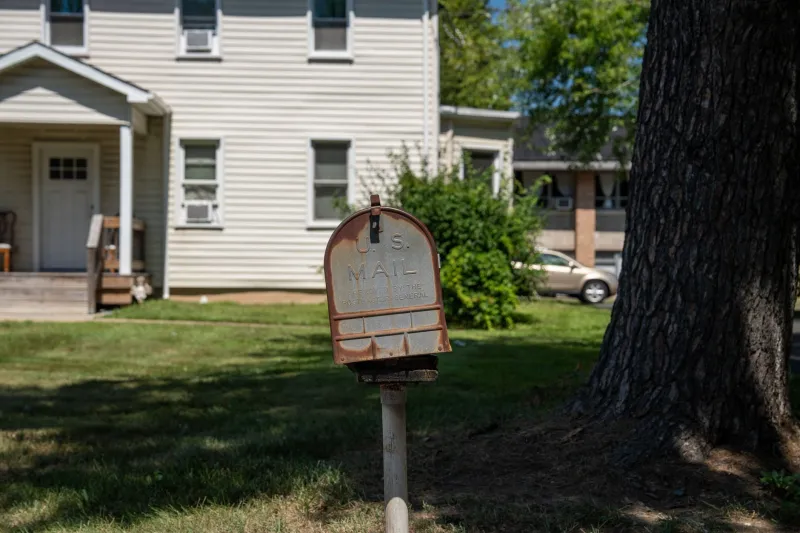
There was a time when walking to the mailbox felt like unwrapping a small mystery every single afternoon. Letters, catalogs, sweepstakes entries — each one carried the weight of someone's actual effort. Now we get five hundred notifications before lunch and feel absolutely nothing.

The Man Behind the Counter Who Could Fix Your House With Three Questions
Culture

The Man Behind the Counter Who Could Fix Your House With Three Questions

The neighborhood hardware store wasn't just a place to buy screws. It was a place where a guy named Ron could diagnose your leaky faucet from a verbal description and send you home with exactly what you needed for under ten bucks. That era is mostly gone, replaced by warehouse aisles the size of football fields and staff who are just as lost as you are.

A Tent, a Cooler, and No Reservation Required: How Family Camping Became a Luxury
Travel

A Tent, a Cooler, and No Reservation Required: How Family Camping Became a Luxury

Not long ago, loading up the station wagon and heading to a state park for a week cost roughly what dinner out costs today. The American camping tradition was built on radical simplicity — almost anyone could do it, almost anywhere, with almost no planning. Somewhere between the glamping revolution and the six-month reservation window, that simplicity quietly vanished.

He Noticed You Weren't There: The Mail Carrier Who Was America's Invisible Guardian
Culture

He Noticed You Weren't There: The Mail Carrier Who Was America's Invisible Guardian

For decades, the daily mail route was more than a delivery schedule — it was a quiet welfare check performed by someone who noticed when things felt off. Today, that human thread has been replaced by algorithmic efficiency and doorbell cameras. What we traded away in the name of speed is harder to measure than a delivery time.

The Guy Who Knew Where Every Bolt Was Buried: America's Lost Hardware Store Era
Culture

The Guy Who Knew Where Every Bolt Was Buried: America's Lost Hardware Store Era

Before the orange aprons and the self-checkout kiosks, there was a man behind a wooden counter who knew your name, your house, and exactly which size washer would fix your sink. America's independent hardware stores were something closer to community institutions than retail shops — and their disappearance left a hole that no big-box store has ever managed to fill.

Detasseling Corn at Dawn: The Summer Job That Turned Teenagers Into Something Else
Culture

Detasseling Corn at Dawn: The Summer Job That Turned Teenagers Into Something Else

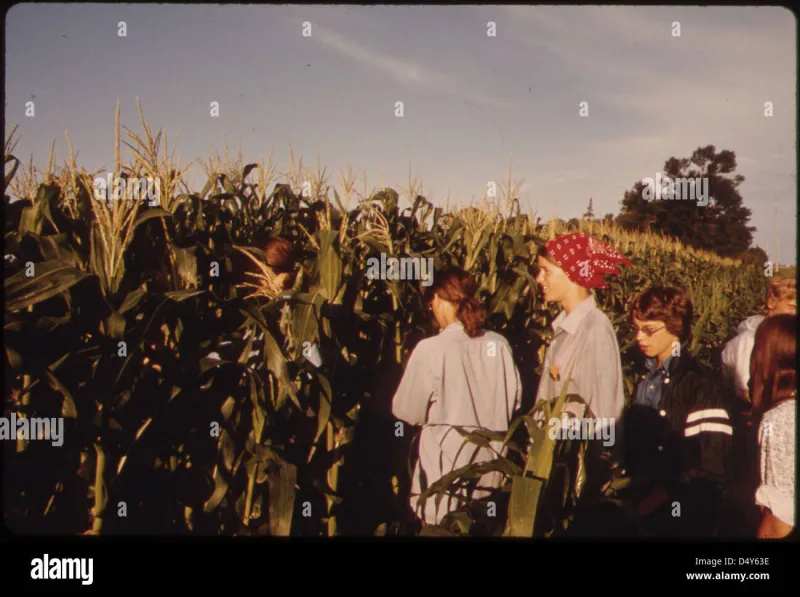
For generations of American teenagers, summer meant rising before the sun, climbing into the back of a flatbed truck, and spending the day doing work that was genuinely hard. Farm labor, fruit picking, baling hay — these were jobs that paid real wages and delivered something no internship ever could. That world has largely disappeared, and what replaced it tells you a lot about how America changed.

The Man Behind the Counter Knew Exactly Which Screw You Needed
Culture

The Man Behind the Counter Knew Exactly Which Screw You Needed

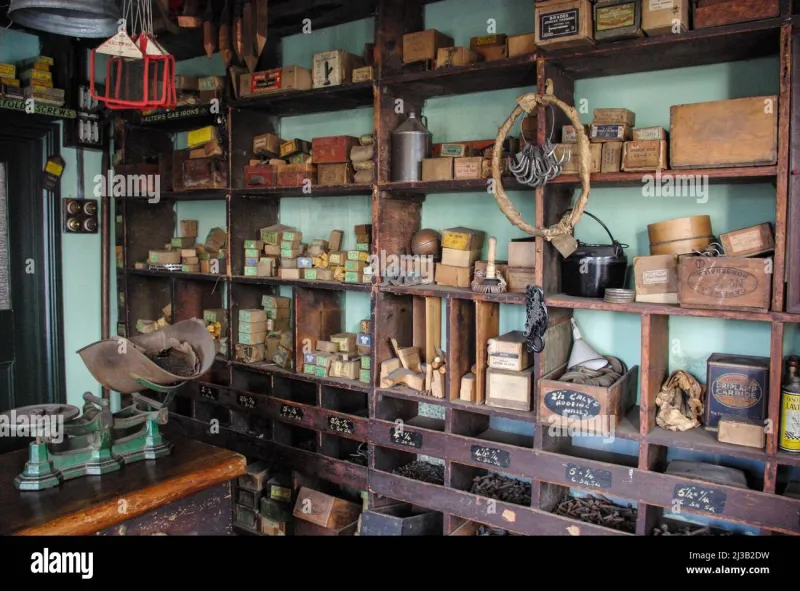
There used to be a hardware store on nearly every main street in America where the owner knew your name, remembered your ongoing projects, and could solve your problem before you finished describing it. That world is almost entirely gone, replaced by warehouse-scale retail and YouTube tutorials. What disappeared with it wasn't just a type of store — it was a living library of practical knowledge.

Before the MRI, There Was Just a Doctor's Hands and a Gut Feeling
Culture

Before the MRI, There Was Just a Doctor's Hands and a Gut Feeling

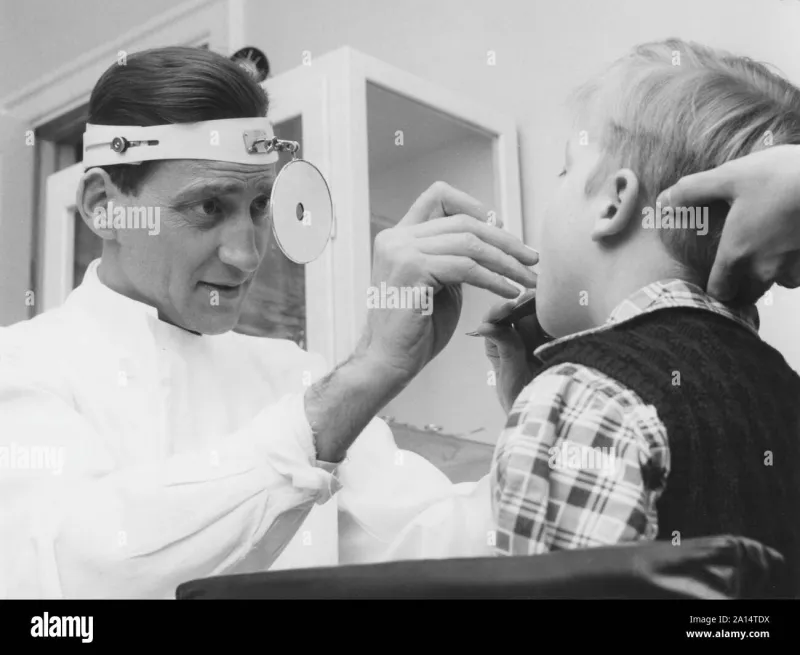
There was a time when a broken bone meant a doctor pressing his fingers along your arm, squinting, and making a call based on decades of experience. No imaging machines, no specialist referrals, no same-day arthroscopic clinics — just knowledge, touch, and patience. The way America healed has changed more dramatically than almost anything else in daily life.

Blankets on the Hood, Stars Overhead, and Everybody Watching the Same Movie
Culture

Blankets on the Hood, Stars Overhead, and Everybody Watching the Same Movie

On a Friday night in 1965, you could pull into a field, hang a speaker on your window, and share a movie with five hundred of your neighbors under an open sky. The drive-in theater wasn't just entertainment — it was one of the most purely communal experiences America ever invented. Streaming hasn't come close to replacing it.

The Lunch That Came From an Actual Kitchen: What Happened to Real School Food
Finance

The Lunch That Came From an Actual Kitchen: What Happened to Real School Food

Decades ago, the women who ran American school cafeterias showed up before dawn and cooked. Real food, from scratch, in real kitchens. What replaced that tradition tells a complicated story about cost-cutting, corporate contracts, and what we decided children's meals were actually worth.

The Guy Behind the Counter Who Knew Your House Better Than You Did
Culture

The Guy Behind the Counter Who Knew Your House Better Than You Did

There used to be a place in every American town where you could walk in with a broken thing and walk out knowing exactly how to fix it. It wasn't a big box store. It was a neighborhood hardware store, and the guy behind the counter might have known your house better than you did.

Drive Off the Lot Today: When Car Buying Was a Conversation, Not a Corporate Siege
Finance

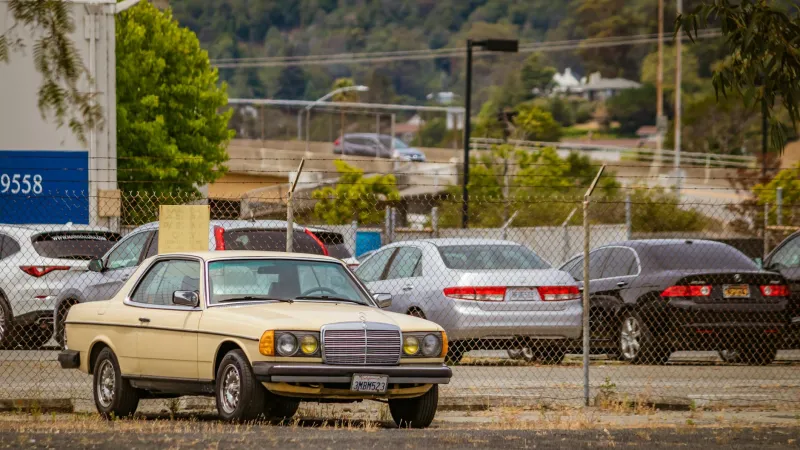
Drive Off the Lot Today: When Car Buying Was a Conversation, Not a Corporate Siege

Americans once walked onto a car lot, shook hands with the owner, and drove home in a new car the same afternoon. Today's multi-hour dealership endurance test of credit checks and finance managers has turned a simple purchase into corporate theater.

When Every Tuesday Night Belonged to the Strike Zone: How America Lost Its Bowling Soul
Culture

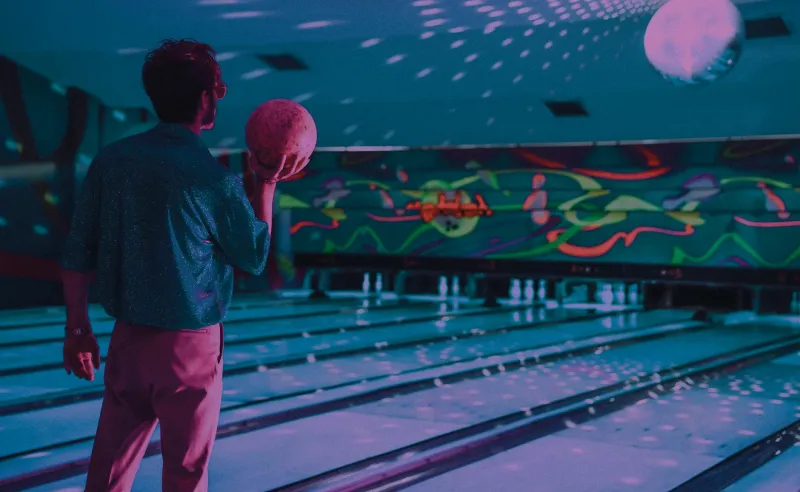
When Every Tuesday Night Belonged to the Strike Zone: How America Lost Its Bowling Soul

Across America, empty bowling alleys echo where packed leagues once filled every lane. The Tuesday night ritual that built friendships across factory floors and office cubicles has vanished, taking with it a cornerstone of working-class community life.

When Eight-Year-Olds Taught Algebra: The One-Room Revolution That Shaped America
Culture

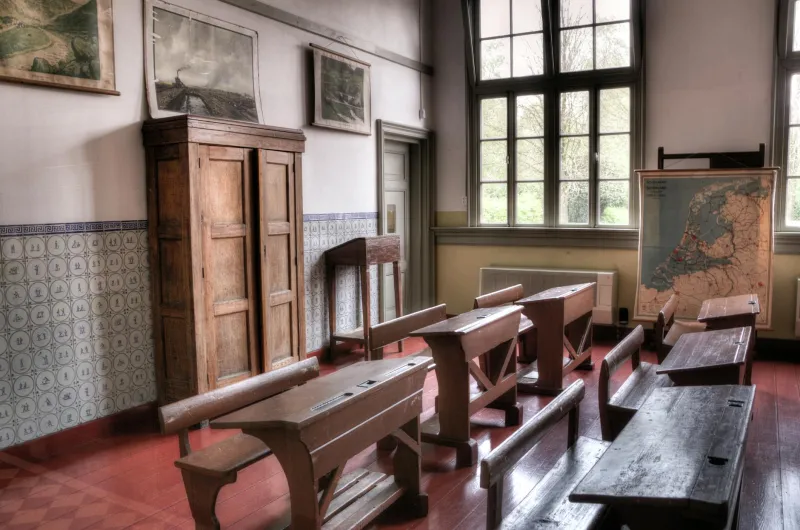
When Eight-Year-Olds Taught Algebra: The One-Room Revolution That Shaped America

America's one-room schoolhouses operated on a radical principle: children could teach each other while learning independence, responsibility, and genuine academic skills. This forgotten model challenges everything we think we know about effective education.

Pull Over Anywhere: When America's Motels Welcomed Strangers Without Reservations
Travel

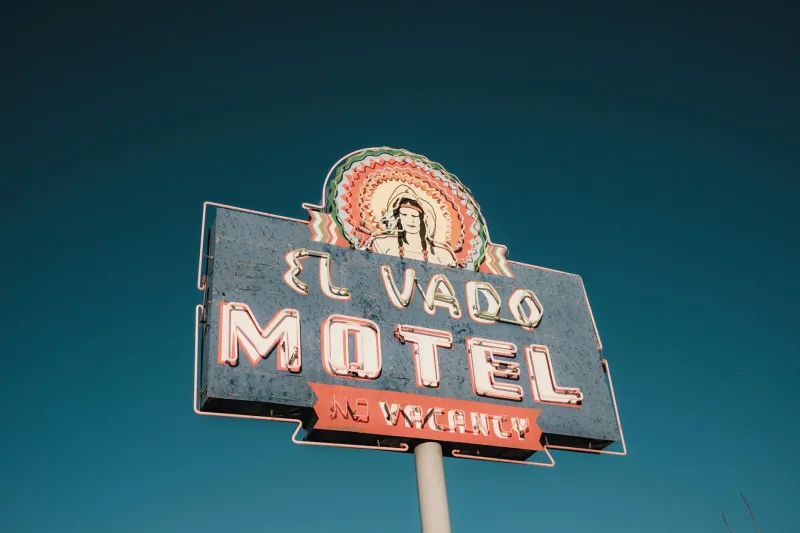
Pull Over Anywhere: When America's Motels Welcomed Strangers Without Reservations

The neon 'Vacancy' sign once promised instant shelter to road-weary families across America. Today's travelers book everything online, trading spontaneous adventure for five-star reviews and cancellation policies.

When Cotton Candy Cost a Quarter and Wonder Was Free: America's State Fair Revolution
Finance

When Cotton Candy Cost a Quarter and Wonder Was Free: America's State Fair Revolution

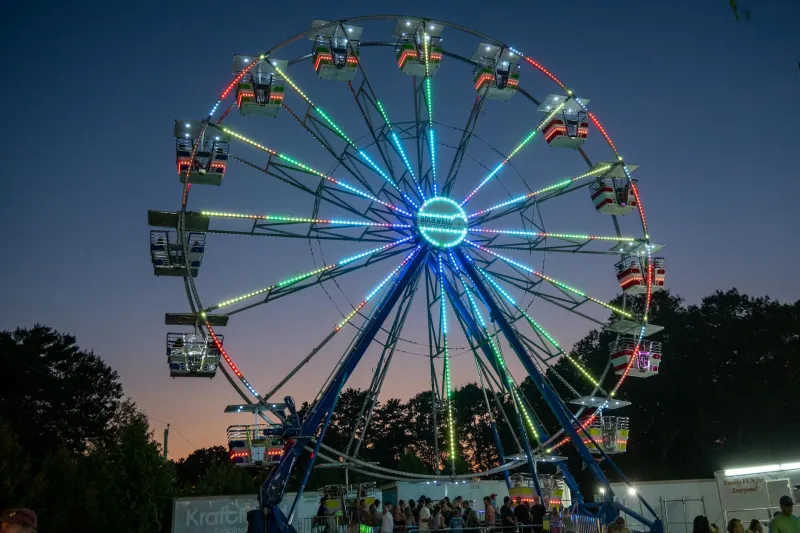
The state fair once served as America's greatest democratic spectacle, where entire communities gathered for a week of genuine awe. Today's fairs compete with year-round digital entertainment and premium pricing that's priced out working families.

Strike Three, You're Out: When Baseball Umpires Were Neighbors, Not Certified Officials
Culture

Strike Three, You're Out: When Baseball Umpires Were Neighbors, Not Certified Officials

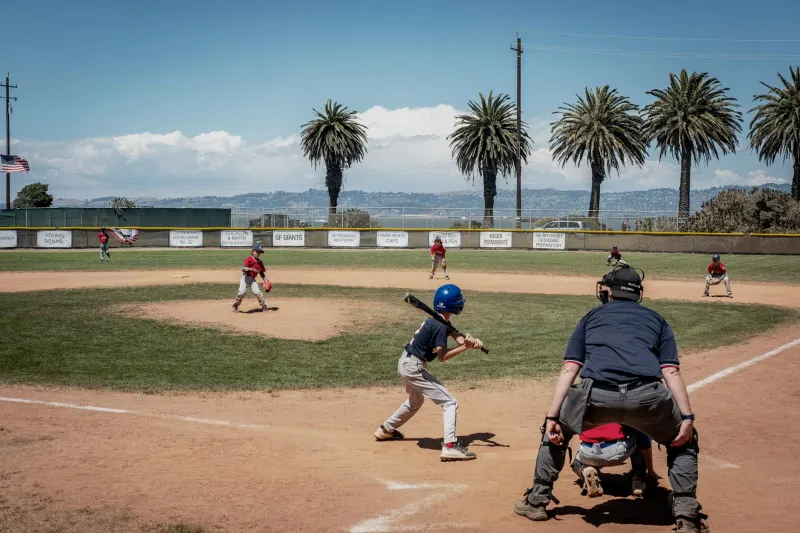
Little League once ran on retired mailmen and volunteer dads who called strikes by feel. Today's youth baseball demands certified officials, liability insurance, and formal training that's pricing out small-town America.

Silent Sidelines: When Little League Parents Actually Watched the Game Instead of Directing It
Culture

Silent Sidelines: When Little League Parents Actually Watched the Game Instead of Directing It

Thirty years ago, youth sports sidelines were populated by parents who brought lawn chairs, thermoses of coffee, and the radical notion that coaches should coach while parents should cheer. Today's youth sports have become battlegrounds where volunteer referees quit in droves and eight-year-olds play under more pressure than college athletes.