The Envelope That Opened Doors: When Job Hunting Meant Actually Writing to Humans
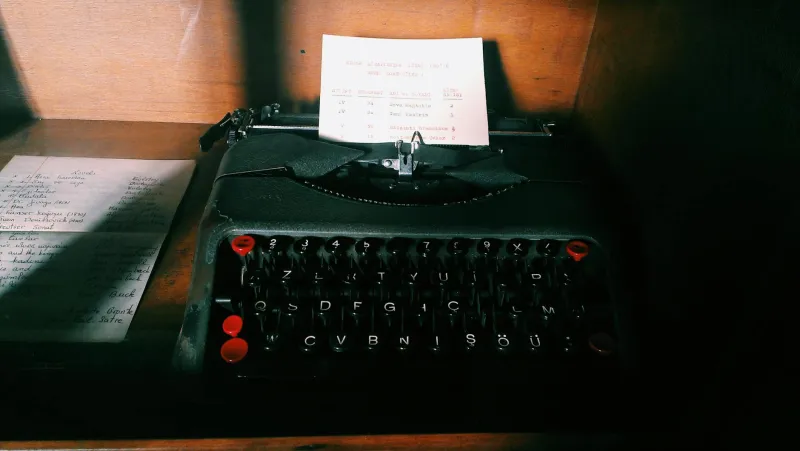
The Art of the Personal Touch
Picture this: It's 1975, and you're looking for work. You don't fire off 50 applications in an hour from your laptop. Instead, you sit at your kitchen table with a pen, quality paper, and an envelope. You write—by hand—a cover letter explaining why you'd be perfect for that accounting position at Miller & Associates downtown. You fold it carefully, slide it into an envelope alongside your typed resume, and walk it to the mailbox.
Two weeks later, Mrs. Miller herself calls your house phone. She liked your penmanship. She wants to meet you Thursday at 2 PM.
This wasn't unusual. This was how America hired people.
When Employers Actually Opened Their Mail
In the pre-internet era, job hunting was a deliberate, personal process. Companies expected handwritten cover letters. Secretaries sorted through physical mail, and hiring managers—actual human beings—read every single application that arrived. Your handwriting mattered. The weight of your paper stock sent a message. Even your choice of ink color could make an impression.
Employers kept filing cabinets full of applications. They'd pull them out when positions opened, sometimes months later, and actually call people back. "We received your letter in March about the sales position. We have an opening now. Are you still interested?"
The process demanded patience from job seekers, but it also demanded respect from employers. When someone took the time to write you a letter, you took the time to respond—even if it was just a form letter saying "thanks, but no thanks." Getting ghosted wasn't a thing because ignoring someone's handwritten effort felt genuinely rude.
The Human Filter System
Back then, the first person to see your application wasn't a computer algorithm scanning for keywords. It was usually a secretary or office manager who'd been with the company for years. These gatekeepers knew the boss's preferences, understood the company culture, and could spot potential in ways no software ever could.
"Mr. Peterson likes people who write clearly," they'd think, examining your letter. "This one's got good handwriting and uses proper grammar. I'll put it in the 'maybe' pile."
These human filters meant that unconventional candidates had a fighting chance. Maybe you didn't have the exact experience listed in the job posting, but your letter showed character, determination, or a willingness to learn. A person could see that. A resume scanner cannot.
The Death of the Thank-You Note
After an interview, you'd sit down that same evening and write a thank-you note by hand. Not an email—an actual note on nice stationary that would arrive on the hiring manager's desk within a day or two. It wasn't just polite; it was expected.
These notes often made the difference. Employers would say, "Both candidates were qualified, but Johnson sent that thoughtful note. Shows he really wants it."
Today's "thank you for your time" emails, sent within hours of an interview, feel hollow by comparison. They're typed quickly, sent instantly, and deleted just as fast. The weight of intention that came with choosing paper, finding a stamp, and walking to a mailbox has been lost entirely.
When Rejection Felt Human
Even rejection used to feel more human. Companies sent actual rejection letters—not emails, but physical letters on company letterhead. "Thank you for your interest in our organization. While we were impressed with your qualifications, we've decided to move forward with another candidate. We'll keep your information on file for future opportunities."
These letters arrived in your mailbox. You could hold them, read them multiple times, and know that someone had taken the time to acknowledge your effort. Today's automated rejection emails feel like insults by comparison, and the complete silence that follows most applications feels even worse.
The Algorithm Takeover
Today's hiring process would seem alien to someone from the 1970s. Job seekers upload their resumes to databases where software scans for specific keywords. No keywords? Your application never reaches human eyes. It doesn't matter how well you write, how passionate you are, or how perfect you'd be for the role. If you don't use the exact terminology the algorithm expects, you're invisible.
The average corporate job posting now receives 250 applications. No human could reasonably read them all, so companies rely on software to do the initial screening. But algorithms can't read between the lines. They can't spot potential or character. They can only match keywords and filter by predetermined criteria.
What We've Lost in Translation
The shift from handwritten applications to digital submissions has made job hunting more efficient but less effective. Yes, you can apply to dozens of positions in a single afternoon. But you're also competing against thousands of other applicants who did the same thing.
The personal connection that once existed between job seekers and employers has been severed. Hiring managers don't know the candidates they're rejecting. Job seekers apply to companies they know nothing about, hoping to slip past the algorithmic gatekeepers.
The Handwriting on the Wall
In a world where anyone can blast their resume to hundreds of companies with a few clicks, the handwritten application had something modern job hunting lacks: intention. When applying for a job required time, effort, and actual postage, people applied more thoughtfully. They researched companies, tailored their letters, and genuinely considered whether they wanted each position.
Employers, in turn, treated each application as what it was—a person making a deliberate choice to pursue their company. The hiring process felt more like a conversation and less like a lottery.
That conversation, conducted in careful penmanship on quality paper, created connections that today's digital fire-and-forget approach simply cannot match. We've gained efficiency, but we've lost the humanity that once made finding work feel like finding your place in a community rather than beating a machine.