The Covered Dish Brigade: When Getting Sick Meant the Whole Block Had Your Back
When Illness Was a Community Affair
Picture this: You wake up with the flu in 1975. By noon, Mrs. Henderson from next door has already dropped off chicken soup, the teenage kid across the street has shoveled your driveway without being asked, and someone — you're not even sure who — has walked your dog and left a note saying they'll do it again tomorrow. No text coordination. No neighborhood Facebook group. No awkward "Hey, could you maybe..." conversations.
This was just what neighbors did.
Today, you might order DoorDash from your sickbed and hope nobody notices you haven't brought in your mail for three days. The contrast isn't just striking — it's a fundamental shift in how Americans think about community obligation versus personal privacy.
The Unspoken Rules of the Old Neighborhood
The America of the 1960s through 1980s operated on an intricate web of unspoken social contracts. Neighbors didn't just live near each other; they functioned as an informal insurance policy against life's daily emergencies.
When someone got sick, the response was automatic. Women would coordinate through brief phone calls or quick conversations over the fence. "Did you hear Jim's laid up with his back again?" That was all it took. Within hours, meals would start appearing. Not fancy meals — practical ones. Tuna casseroles, pot roast with vegetables, homemade bread. Food that would last, reheat easily, and didn't require returning fancy dishes.
The system extended far beyond illness. New mothers could count on neighbors watching their other kids during doctor visits. Elderly residents had multiple people checking on them without formal arrangements. If your car wouldn't start on a Tuesday morning, three different neighbors would offer jumper cables before you finished walking to the street.
The Architecture of Connection
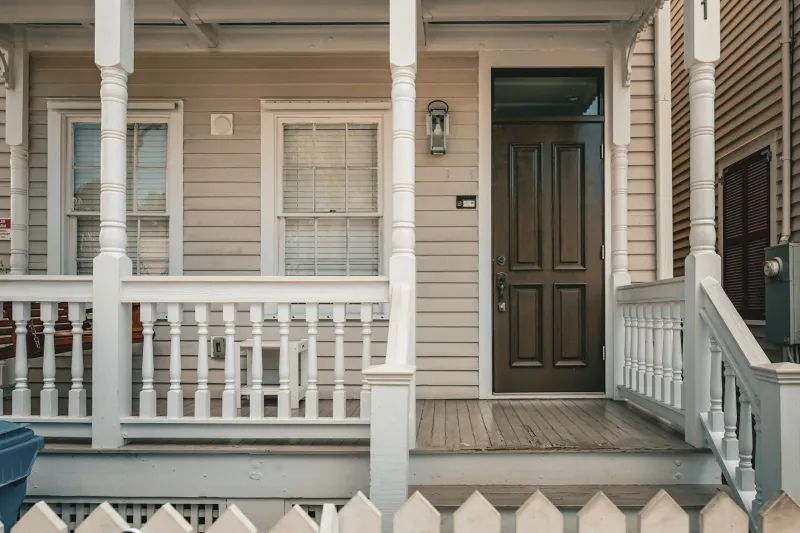
The physical design of neighborhoods reinforced these connections. Front porches faced the street, not private back decks. Driveways were shorter, mailboxes clustered together, and fences — when they existed at all — were low enough to chat over while watering the garden.
Most importantly, people were outside. Kids played in yards that flowed together. Adults worked in their gardens, washed cars in driveways, and sat on porches after dinner. These weren't planned social interactions — they were the natural result of shared outdoor space and overlapping daily routines.
The grocery shopping patterns alone created dozens of small connections. Weekly trips to the same local stores meant you'd run into neighbors regularly. "Oh, how's your mother feeling?" wasn't small talk — it was genuine follow-up on information shared three days earlier while loading groceries.
When Privacy Became the Priority
Somewhere between 1990 and 2010, American neighborhoods underwent a quiet revolution. The shift wasn't dramatic — no single moment marked the change. Instead, it was a gradual drift toward privacy, independence, and what sociologists call "defensive architecture."
Suburban homes grew larger but sat on smaller lots. Front yards shrank while back decks expanded. Garage doors became the primary entry point, eliminating the natural interactions that happened when people walked to their front doors. Privacy fences grew higher. Air conditioning meant windows stayed closed and sounds stayed contained.
The rise of dual-income households meant fewer people were home during the day to notice when something seemed off at the neighbor's house. Professional services replaced neighbor favors — lawn crews, cleaning services, dog walkers, grocery delivery. Each service solved a problem but also removed a reason to interact.
Digital Convenience, Social Distance
Technology accelerated the transformation. Why ask a neighbor to check on your house when you can monitor it remotely? Why coordinate meal delivery when GrubHub operates 24/7? Why worry about whether Mrs. Johnson is okay when she posts on Facebook daily?
Neighborhood apps like Nextdoor promised to recreate community connections digitally, but they often highlight how far we've drifted from organic interaction. Posts about suspicious activity outnumber offers of help. Complaints about noise replace conversations about solutions. The app creates connection, but it's mediated, formal, and often contentious rather than supportive.
What We Gained and Lost
The shift toward privacy and independence wasn't entirely negative. Modern Americans enjoy unprecedented personal freedom. You can be sick without feeling obligated to accept help you don't want. You can live according to your own schedule without worrying about neighborhood judgment. Your personal business stays personal.
But the trade-offs run deeper than many people realize. The informal safety net that once caught Americans during difficult times has largely disappeared. Social isolation among seniors has become a public health crisis. Young parents struggle without the extended family support that neighborhoods once provided automatically.
The economic implications are significant too. Services that neighbors once provided for free now cost money — dog walking, lawn care, elderly check-ins, emergency childcare. The "neighbor economy" that once saved American families thousands of dollars annually has been replaced by a service economy that costs thousands of dollars annually.
The Drift Toward Strangers
Today's American neighborhoods often function more like hotels than communities. Residents share proximity but not connection. They might wave politely but couldn't tell you their neighbor's last name, occupation, or whether they have kids.
When someone gets sick now, they're likely to handle it alone or rely on family members who might live hours away. The idea of a neighbor showing up unannounced with soup feels intrusive rather than caring. We've trained ourselves to see unsolicited help as boundary-crossing rather than community-building.
This represents more than a shift in social norms — it's a fundamental change in how Americans think about mutual obligation and collective care. The covered dish brigade didn't just provide meals; it provided proof that you mattered to people beyond your immediate family.
The question isn't whether we can return to 1975 — we can't and probably shouldn't. But understanding what we've lost in our drift toward privacy helps explain why so many Americans feel disconnected despite being more "connected" than ever before.
The casserole at the door wasn't just about the food. It was about belonging to something larger than yourself, knowing that someone was paying attention, and trusting that care would be reciprocated when your turn came to need it.