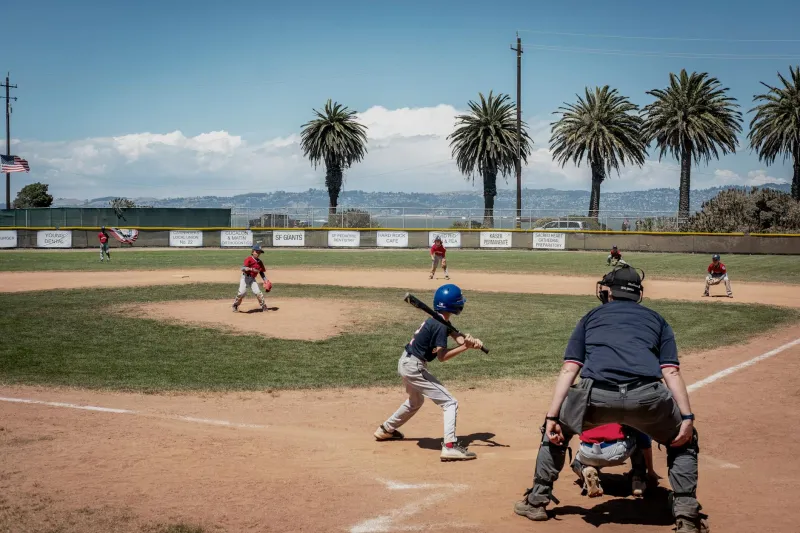
The Dad in the Striped Shirt
Every Saturday morning in 1982, Jim Patterson would grab his whistle, slip on a black-and-white striped shirt, and head to the local baseball diamond. He wasn't a certified official. He had no formal training. He was just a dad who volunteered to umpire Little League games because someone had to, and the kids deserved to play.
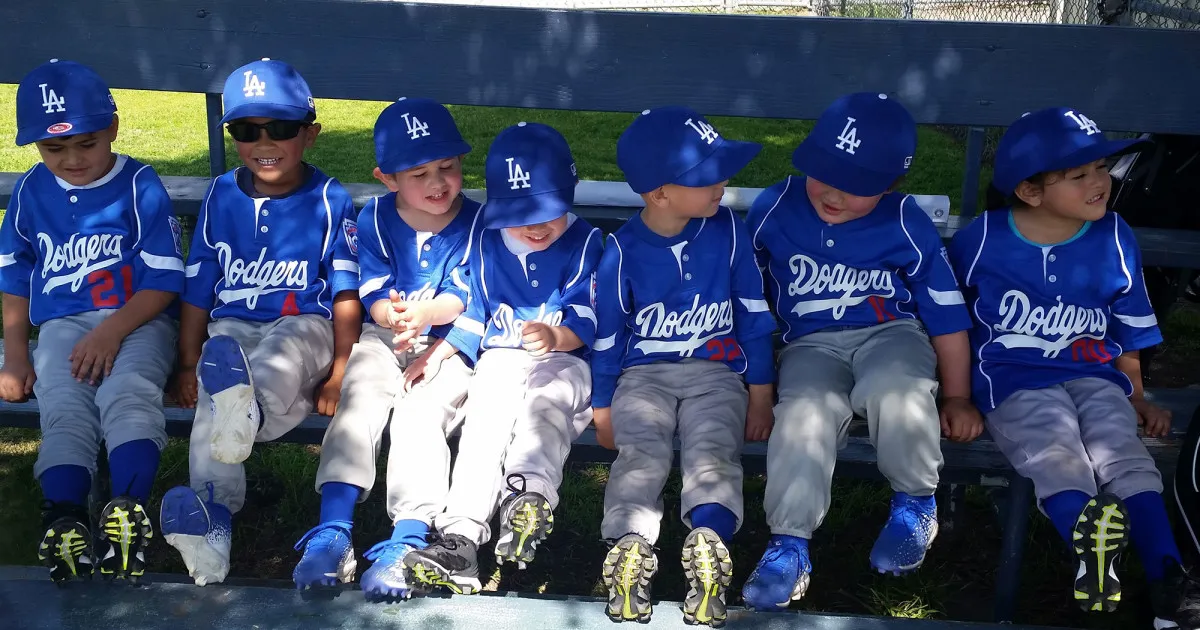 Photo: Little League, via res.cloudinary.com
Patterson called balls and strikes for three seasons. Parents disagreed with his calls, sure, but they'd shake his hand after the game and thank him for his time. Nobody threatened to sue him. Nobody demanded his credentials. He was part of the community fabric that made youth sports possible.
That world is gone.
When Volunteers Built the Game
Through the 1970s and 80s, America's recreational sports leagues operated on a simple principle: adults in the community would step up to help kids play. Umpires, referees, and officials were typically parents, coaches, or community members who learned the rules well enough to keep games moving.
The barrier to entry was almost nonexistent. You'd attend a brief orientation meeting, maybe watch a veteran official for a game or two, and then you were handed a whistle. The emphasis was on fairness and fun, not perfect rule enforcement.
This informal system worked because everyone understood the stakes. These weren't professional games or college recruitment showcases. They were Saturday morning activities designed to teach kids teamwork, sportsmanship, and how to handle both victory and defeat.
Parents trusted these volunteer officials because they were neighbors. The umpire might be the guy who fixed your car or the woman who taught your daughter's piano lessons. There was an implicit understanding that everyone was doing their best for the kids.
The Professionalization Problem
Today's youth sports officiating landscape looks dramatically different. Most leagues now require officials to complete formal certification programs, attend training seminars, and maintain ongoing education credits. What once took an hour-long conversation now requires weeks of preparation and annual renewals.
The National Association of Sports Officials reports that youth leagues across America are experiencing unprecedented shortages of referees and umpires. In some regions, up to 80% of officials have quit in the past five years. Games are being postponed, seasons shortened, and entire leagues disbanded because there simply aren't enough people willing to officiate.
The reasons for this exodus aren't mysterious. Modern youth sports have become a pressure cooker of parental expectations, scholarship dreams, and winner-take-all mentality. Officials report being screamed at, threatened, and in some cases physically confronted by parents who view every call as a potential threat to their child's athletic future.
The Lawsuit Culture Shift
Perhaps nothing has changed the officiating landscape more than America's litigation culture. Today's volunteer officials face potential personal liability for their decisions. Parents have sued umpires over missed calls, claiming their children lost scholarship opportunities because of poor officiating.
Insurance requirements alone have priced many volunteers out of participation. Where once a handshake and good intentions were sufficient, today's officials need liability coverage, background checks, and legal protections that can cost hundreds of dollars annually.
Many youth leagues have responded by hiring professional officials, but this creates new problems. Professional refs charge $50-100 per game, costs that get passed on to families through higher registration fees. The very professionalization meant to improve quality has made youth sports less accessible to working-class families.
The Unintended Consequences
The most tragic outcome of this transformation isn't just fewer officials—it's fewer opportunities for kids to play. When games get cancelled due to referee shortages, children lose chances to develop athletic skills, build friendships, and learn life lessons that only come from team sports.
Rural and lower-income communities have been hit hardest. These areas relied heavily on volunteer officials because they couldn't afford professional refs. As volunteers disappeared and professional costs rose, many small-town leagues simply folded.
The irony is stark: in trying to make youth sports more professional and accountable, we've made them less accessible and less fun. The pursuit of perfect officiating has created a system where many kids can't play at all.
What We Lost in Translation
The shift from volunteer to professional officiating represents a broader cultural change in how Americans approach community involvement. We've traded trust for credentials, relationships for liability protection, and accessibility for professionalism.
Jim Patterson, the volunteer umpire from 1982, wouldn't recognize today's youth sports landscape. The casual Saturday morning games he helped facilitate have been replaced by high-stakes competitions overseen by certified officials and governed by complex insurance policies.
Somewhere in our quest to make everything better, we forgot that sometimes good enough is actually good enough—especially when the alternative is not playing at all. The dad with a whistle and a willingness to help wasn't perfect, but he showed up. And in youth sports, showing up was often the most important thing.