When Everyone's TV Guide Looked Exactly the Same
Picture this: It's Thursday night, 1983. From coast to coast, nearly every television in America is tuned to the same channel, watching the same show. Families gather in living rooms, friends call each other during commercials, and tomorrow morning, the entire country will be talking about what happened on Cheers last night.
This wasn't a special event like the Super Bowl or a presidential debate — it was just regular television. But in a world with only three major networks and no remote controls, appointment television created something we've completely lost: genuine shared cultural experiences that happened accidentally, every single night.
The Tyranny of the TV Schedule That United Us All
Back then, television programming was dictatorial in the most democratic way possible. If you wanted to watch MASH*, you showed up Monday nights at 9 PM, or you missed it entirely. No DVR, no streaming, no "watch later" options. The networks decided when America would laugh, cry, and gasp in collective surprise, and somehow, this rigid system created more cultural unity than our current infinite options ever could.
Families planned their entire evening around the TV schedule. Dinner ended by 8 PM sharp because The Cosby Show started at eight-thirty. Homework got finished during the 7 PM news hour. Phone calls were postponed until commercial breaks. The television schedule didn't just organize programming — it organized American life.
This shared timing created an invisible national community. While you sat in your living room in Ohio watching Magnum solve a case, millions of families in California, Texas, and New York were experiencing the exact same moments. When a character died, when a mystery was solved, when a couple finally kissed — these revelations happened simultaneously across the entire country.
Water Cooler Television That Actually Mattered
The phrase "water cooler conversation" originated from this era of appointment television. Every Friday morning, offices buzzed with discussions about Thursday night's shows. Everyone had watched the same episodes, experienced the same plot twists, and formed opinions about the same characters. Television provided a common language that connected coworkers, neighbors, and strangers.
These conversations weren't just small talk — they were genuine cultural analysis happening in real time. When J.R. Ewing got shot on Dallas, the entire nation spent months speculating about the culprit. When the final episode of MASH* aired in 1983, it drew 106 million viewers — nearly half the country's population — and the collective emotional experience of saying goodbye to those characters created a shared national memory.
The water cooler effect extended beyond individual shows. Television events became cultural milestones that defined entire generations. Everyone who lived through the 1980s remembers where they were when they watched the Challenger disaster unfold live on television. The moon landing, the first Saturday Night Live, the final episode of Cheers — these weren't just TV moments, they were American moments.
The Ritual of Appointment Viewing
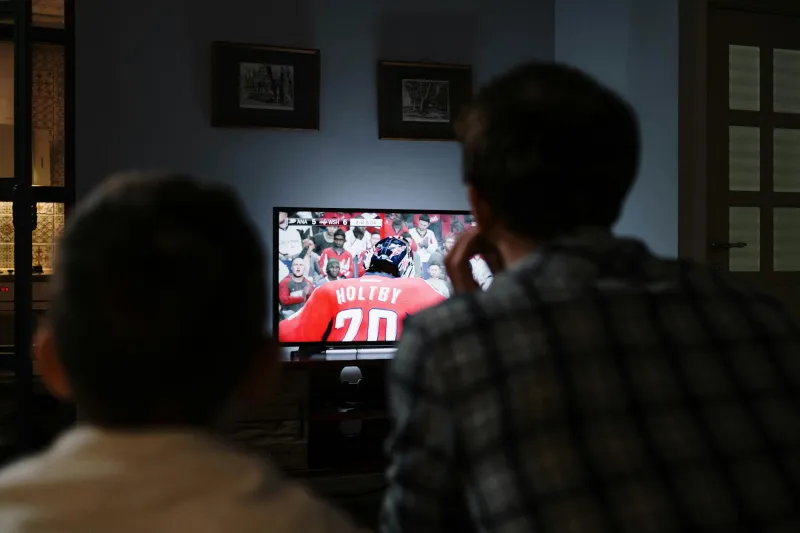
Watching television used to be an event that required commitment and created anticipation. Families would arrange themselves on the couch, popcorn bowls at the ready, phones turned off. The ritual began with the familiar theme music and ended with the closing credits, experienced together in real time.
This appointment viewing created a different relationship with entertainment. You couldn't binge-watch an entire season in one weekend — you had to wait a full week between episodes, allowing time for speculation, discussion, and genuine anticipation to build. Cliffhangers actually mattered because you'd spend days wondering what happened next.
The shared experience extended beyond individual households. Entire neighborhoods would go quiet during popular shows. Streets emptied when The Ed Sullivan Show featured The Beatles. Phone lines went silent during the final moments of Who Shot J.R.? Television programming created temporary ghost towns as America gathered around their sets.
The Great Fragmentation Begins
The first crack in this unified viewing experience came with cable television in the 1980s. Suddenly, families had dozens of channels instead of three. MTV gave teenagers their own programming. CNN offered news around the clock. HBO showed movies without commercials. The shared national viewing experience began to splinter into demographic niches.
Remote controls accelerated this fragmentation. Channel surfing became a new form of entertainment, and families stopped watching entire shows together. Dad might check the game during commercial breaks. Mom would flip to the news. Kids would hunt for cartoons. The living room became a battlefield of competing entertainment preferences.
By the 1990s, the VCR had introduced time-shifting, allowing viewers to record shows and watch them later. This convenience came with a cultural cost — when people watched the same show at different times, the shared experience disappeared. Water cooler conversations became impossible when everyone was on their own viewing schedule.
The Streaming Revolution That Completed Our Isolation
Today's entertainment landscape would be unrecognizable to someone from the appointment television era. Netflix, Hulu, Amazon Prime, Disney+, and dozens of other streaming services offer millions of hours of content, available instantly, on any schedule. We can binge entire seasons overnight, pause shows mid-sentence, and never watch the same thing as anyone else.
This infinite choice has created infinite isolation. Your Netflix recommendations are completely different from your neighbor's. Your viewing history creates a personalized entertainment bubble that shares almost nothing with other people's bubbles. The algorithm that suggests your next show has replaced the network programmer who once decided what all of America would watch together.
Modern water cooler conversations about television are nearly impossible. "Did you see that show about the drug dealer?" could refer to Breaking Bad, Ozark, Narcos, or dozens of other series. "That new comedy on Netflix" could mean any of hundreds of options. We've gained unlimited entertainment choices but lost our common cultural vocabulary.
What We Gained and What We Lost
The benefits of our current system are undeniable. We have access to higher-quality programming, more diverse voices, and content tailored to every possible interest. No longer do minority audiences have to settle for whatever the three networks decided to broadcast. International shows, independent films, and niche documentaries that never would have found an audience in the appointment television era now have dedicated platforms and passionate fan bases.
But we've also lost something irreplaceable: the accidental community that formed when everyone watched the same thing at the same time. Those shared cultural moments — when an entire nation laughed together, cried together, or argued about the same fictional characters — created bonds between strangers and gave us common reference points that transcended age, race, and geography.
The appointment television era forced Americans to participate in a shared cultural experience, whether we wanted to or not. That gentle tyranny created something beautiful: a country that could talk to itself, argue with itself, and laugh at itself through the common language of television. When we liberated ourselves from that schedule, we gained individual freedom but lost collective connection.
Today, we're more entertained than ever but somehow less together. We've traded the water cooler for the algorithm, appointment viewing for on-demand isolation, and shared national experiences for personalized content bubbles. In our rush to give everyone exactly what they want to watch, we forgot the value of sometimes watching what everyone else is watching too.