The Reporter Next Door
Jim Bradley lived on Maple Street, coached Little League on weekends, and knew which city council member always fell asleep during budget meetings. He'd been covering the Millfield Gazette's city beat for twelve years, which meant he'd watched three mayors come and go, seen the downtown revitalization project stall and restart twice, and knew exactly which local business owners were related to which school board members.
 Photo: Maple Street, via images.squarespace-cdn.com
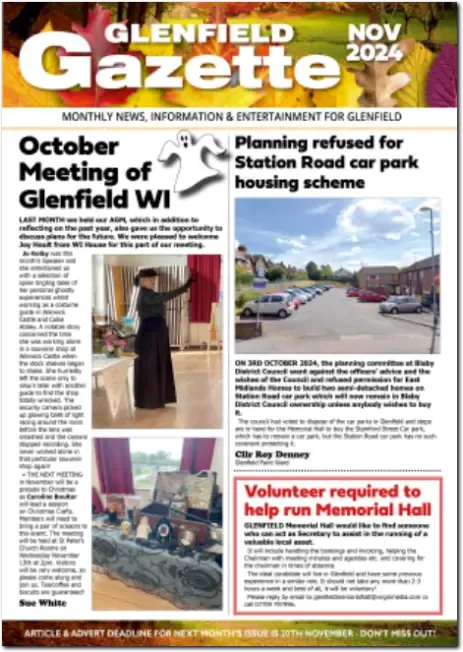 Photo: Millfield Gazette, via glenfieldgazette.com
When the water main burst on Elm Street, Jim didn't just report the story—he helped Mrs. Patterson move her furniture to higher ground while waiting for the city crew. When the high school football team made the state playoffs, he'd been following those kids since they were eighth-graders writing for the school paper.
 Photo: Elm Street, via cdn1.epicgames.com
Jim wasn't just a reporter. He was a neighbor who happened to write for the newspaper.
That version of American journalism died so quietly that most people didn't notice until it was gone.
The Hollowing Out
Today, the Millfield Gazette is owned by a hedge fund based in New York that also owns 200 other newspapers across 30 states. Jim's beat is now covered by Sarah, who lives 45 minutes away and covers three different towns for the same salary Jim used to make covering one.
Sarah's never been to a city council meeting that didn't involve a major controversy. She doesn't know the school board members' names, let alone their voting patterns. When she writes about local issues, she's working from press releases and phone interviews, trying to make sense of community dynamics she's never witnessed firsthand.
It's not Sarah's fault. She's doing the work of three people for the salary of half a person, driving between towns she barely knows, covering meetings for communities she doesn't live in. She's a talented journalist trapped in a broken system that's forgotten what local news actually means.
When Accountability Had an Address
The difference between Jim and Sarah isn't talent—it's investment. Jim had to face the people he wrote about at the grocery store, the gas station, the Friday night football game. If he got something wrong, he'd hear about it at church on Sunday.
That kind of accountability created better journalism. Jim couldn't hide behind anonymity or distance. He couldn't write lazy stories based on assumptions because everyone in town would know he hadn't done his homework. He had to be fair, accurate, and thorough because his reputation lived where he lived.
Modern local journalism operates without that built-in feedback loop. Stories are written by people who will never face the consequences of getting them wrong. The reporter who mischaracterizes the school budget debate doesn't have to explain herself to the parents whose taxes pay for those schools.
The News Desert Expands
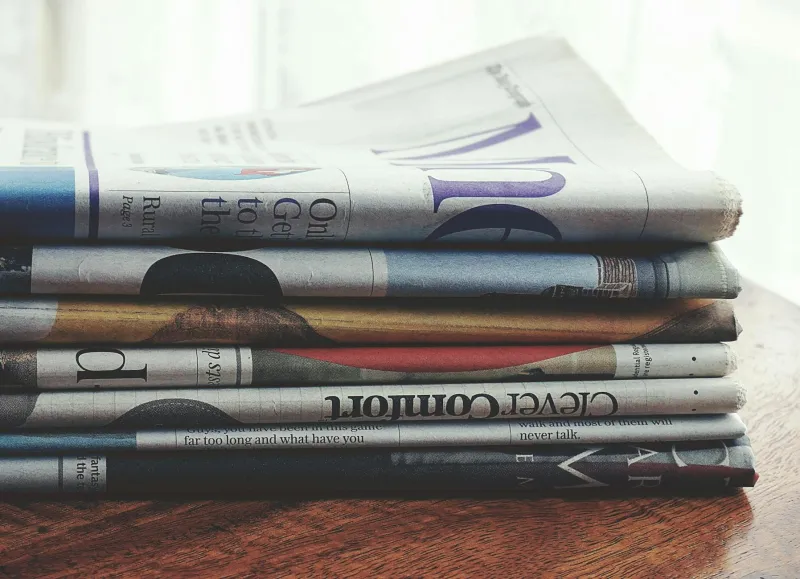
Since 2005, America has lost more than 1,800 newspapers. The survivors have cut staff so dramatically that many "local" papers are essentially content farms, filled with wire stories and press releases with minimal original reporting.
In Jim's day, the Millfield Gazette had six full-time reporters, a photographer, and an editor who'd worked there for twenty years. They covered every school board meeting, every city council session, every planning commission hearing. They knew which local businesses were struggling, which nonprofits needed volunteers, and which high school seniors had earned college scholarships.
Today's skeleton crew can barely cover the major stories, let alone the routine civic business that keeps democracy functioning at the local level. School board meetings go unreported unless something dramatic happens. City budgets pass without scrutiny. Local elections happen with minimal coverage.
The Facebook News Cycle
Nature abhors a vacuum, and the collapse of local news has created a perfect storm of misinformation and rumor. Without Jim's steady reporting, people get their local news from Facebook groups where speculation masquerades as fact and grievances multiply unchecked.
The planning commission's decision about the new shopping center becomes a conspiracy theory. The school district's budget shortfall becomes a political football. Without a trusted local voice to provide context and facts, every local issue becomes a tribal battleground.
Jim used to serve as a community translator, explaining complex local issues in plain language and providing the background context that helped people understand what was really happening. Now that translation function has been outsourced to whoever posts first on social media.
When Journalism Was Journalism
The old model wasn't perfect. Small-town newspapers could be insular, sometimes too cozy with local power structures. But they provided something irreplaceable: institutional memory and community investment.
Jim remembered when the last mayor promised the same infrastructure improvements. He knew which council members had financial interests in downtown development. He understood the historical context that explained why certain neighborhoods always seemed to get overlooked in city planning.
That kind of knowledge can't be Googled or gleaned from a press release. It comes from years of showing up, paying attention, and caring about the community you're covering.
The Hedge Fund Harvest
The corporate entities that now own most local newspapers aren't interested in civic engagement or community service. They're interested in extracting maximum profit from minimal investment. That means fewer reporters, lower salaries, and coverage that focuses on whatever generates clicks rather than what serves the community.
Local news has become a commodity, stripped of its community function and reduced to its revenue potential. The result is journalism that serves shareholders rather than citizens, content that prioritizes engagement over enlightenment.
What We Lost When Jim Left
The death of truly local journalism represents more than just fewer newspaper jobs. It's the loss of a community institution that held local power accountable, explained complex issues, and helped neighbors understand what was happening in their own backyard.
Without reporters like Jim, local corruption goes unnoticed longer. School board decisions get made without public input. City budgets pass without scrutiny. The small-scale democracy that actually affects people's daily lives operates in shadows.
We've replaced community journalism with content creation, local accountability with algorithmic engagement, and neighborhood reporters with distant corporations. The result is communities that are less informed about the decisions that affect them most directly.
The Ghost of Main Street
Somewhere in America, there might still be a reporter like Jim—someone who lives in the community they cover, knows the local power brokers by name, and shows up to meetings even when nothing dramatic is happening.
But they're becoming as rare as the independent newspapers that used to employ them. We've traded local knowledge for corporate efficiency, community investment for shareholder returns, and the reporter next door for the content creator three towns over.
The paperboy who knew every porch has been replaced by an algorithm that doesn't know any porch at all. And democracy is quieter for it.