The Saturday Morning Authority Figure
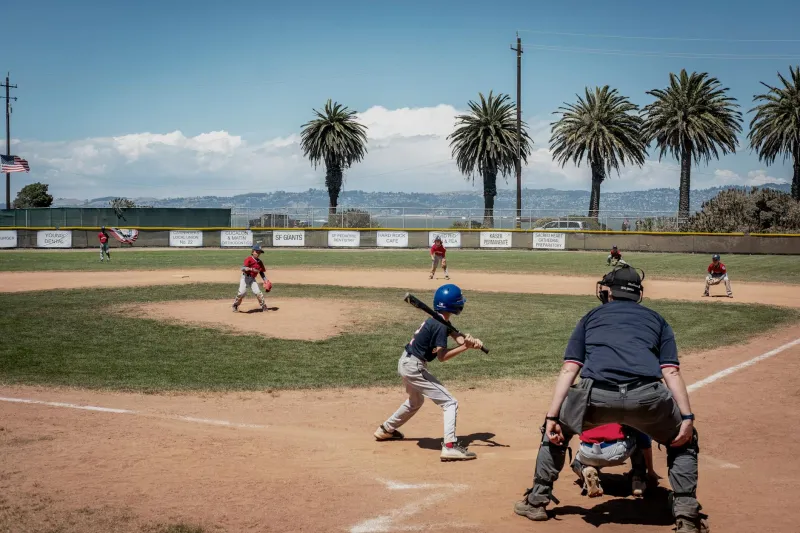
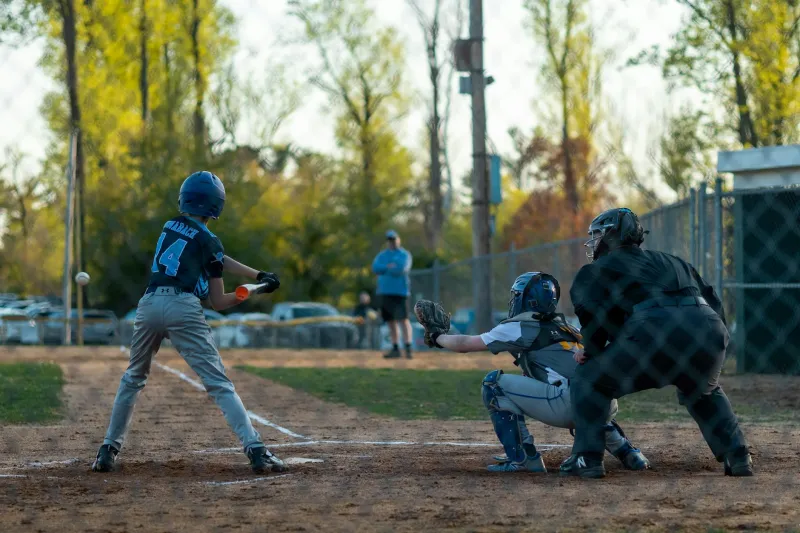
Every American town once had them: the retired high school principal who called Little League games with the same steady voice he'd used in hallways for thirty years. The math teacher who spent her Saturdays in black and white stripes, making calls with quiet confidence while parents trusted her judgment completely. These weren't professional referees—they were neighbors, educators, and community pillars who saw officiating youth sports as civic duty, not a side hustle.
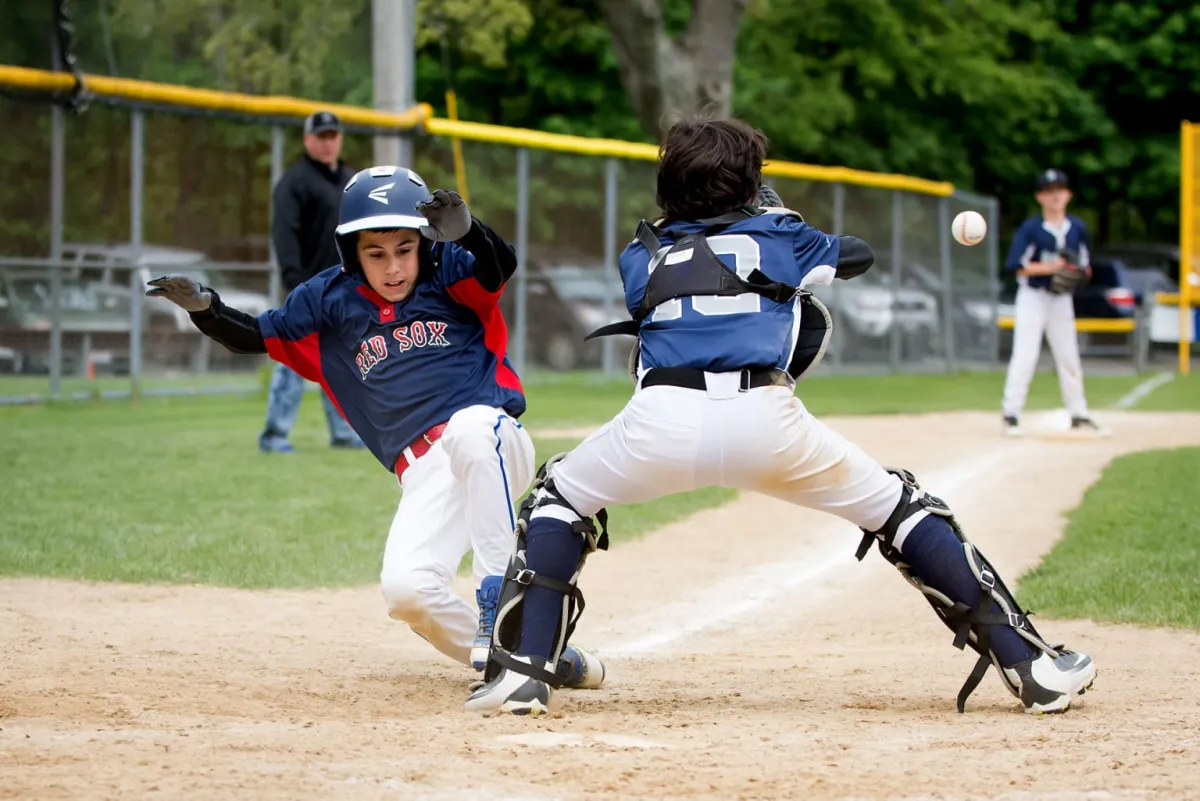 Photo: Little League, via res.cloudinary.com
They showed up because someone had to, and because authority still meant something in small-town America. A firm "Strike three!" from Mrs. Henderson carried the same weight as her red pen on a failed algebra test. Parents might grumble, but they didn't storm the field. Kids learned that adults made decisions, and sometimes those decisions went against you.
That world is disappearing so fast that entire leagues are now canceling seasons.
The Great Referee Exodus
Across America today, youth sports organizations face a crisis that would have been unthinkable forty years ago: they literally cannot find people willing to officiate games. The National Association of Sports Officials reports that referee numbers have plummeted by nearly 20% in the past decade, with some regions seeing drops of 50% or more. High school football games get postponed because no one will work them. Soccer tournaments cancel entire age divisions when officials don't show up.
The problem isn't money—though the pay remains terrible. It's that officiating youth sports has transformed from a respected community role into a target for every frustrated parent's rage about their child's athletic future. The same position that once attracted retired teachers and coaches now requires security escorts and liability insurance.
What changed wasn't the rules of the games. What changed was the rules of respect.
When Parents Became Prosecutors
The shift happened gradually, then all at once. Youth sports stopped being about Saturday morning fun and became about college scholarships, travel team selections, and bragging rights at the office. Every strikeout became a stolen opportunity. Every foul call threatened a child's athletic destiny. Parents who would never dream of screaming at their child's teacher began treating volunteer referees like corrupt politicians.
Social media accelerated the destruction. Bad calls get filmed, posted, and dissected by armchair experts who never officiated anything more complex than a family board game. Referees' names and faces circulate in angry parent Facebook groups. Death threats arrive via direct message for calling a ten-year-old out at home plate.
The community volunteers who once filled these roles simply walked away. Why endure public humiliation for forty dollars and a headache when you could spend Saturday mornings gardening instead?
The Professionalization Problem
In response to the crisis, youth sports organizations tried to professionalize officiating. They created certification programs, background checks, and training seminars. They hired younger referees who needed the money more than community respect. They instituted zero-tolerance policies for parent behavior, complete with ejection procedures and season bans.
But professionalization couldn't solve the fundamental problem: the erosion of adult authority in American culture. The retired principal who once commanded respect through presence alone now needs a whistle, a rulebook, and a security guard. The natural authority that came from being a known community figure got replaced by artificial authority backed by enforcement mechanisms.
Younger officials, often teenagers themselves, lack the life experience to defuse tense situations. They know the rules but haven't learned how to manage adults who've lost their minds. They call games technically correctly but can't project the calm confidence that once kept parents in their seats.
The Real Cost of Empty Fields
When games get canceled for lack of officials, something deeper breaks than just weekend schedules. Kids miss out on learning that authority figures exist, that decisions sometimes go against you, and that adults other than your parents have the right to tell you what to do. These weren't just recreational lessons—they were preparation for a world where bosses, judges, and police officers make calls you don't like.
The referee shortage also accelerates the stratification of youth sports. Wealthy leagues can afford to pay premium rates for certified officials. Poor communities see their programs fold entirely. The democratic ideal of Little League—where every kid got to play regardless of family income—becomes another casualty of America's growing inequality.
The Authority We Lost
The empty umpire chairs across America represent more than a staffing problem. They're symbols of a culture that stopped believing in the quiet authority of ordinary adults doing necessary work. We traded the respected community volunteer for the certified professional, the trusted neighbor for the liability-insured stranger.
Maybe the solution isn't better training programs or higher pay scales. Maybe it's remembering that some jobs are too important to be left to market forces alone—and that treating volunteer officials with basic human dignity isn't just good sportsmanship, it's essential for keeping the games going at all.
Until then, America's kids will keep learning a different lesson: that authority is something to be challenged, undermined, and driven away. And Saturday mornings will keep getting quieter, one canceled game at a time.