The Simple Sick Day
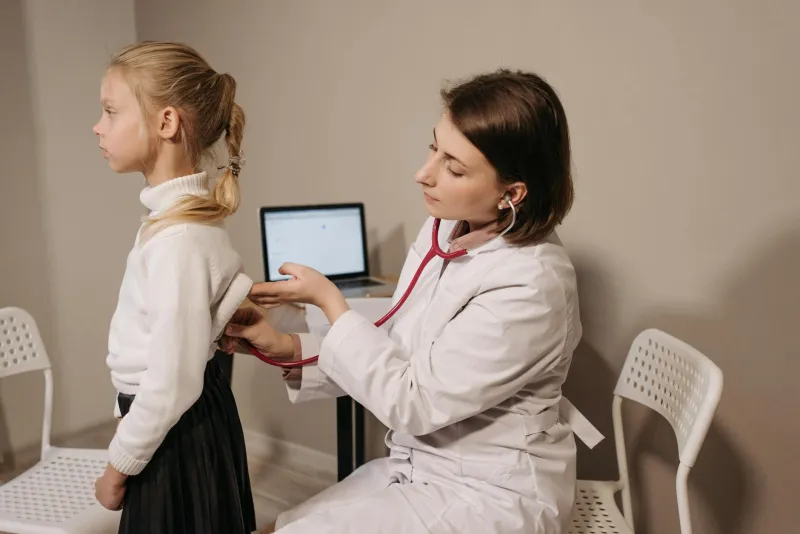
Your throat felt like sandpaper, your head pounded like a construction site, and your mother took one look at you and declared: "You're staying home." It was 1975, and being sick followed a predictable script.
First, she'd call Dr. Peterson's office—the same Dr. Peterson who delivered you and probably your older siblings too. The receptionist, who knew your family by voice, would squeeze you in that afternoon. No insurance verification, no pre-authorization, no twenty-minute hold while they "checked your benefits."
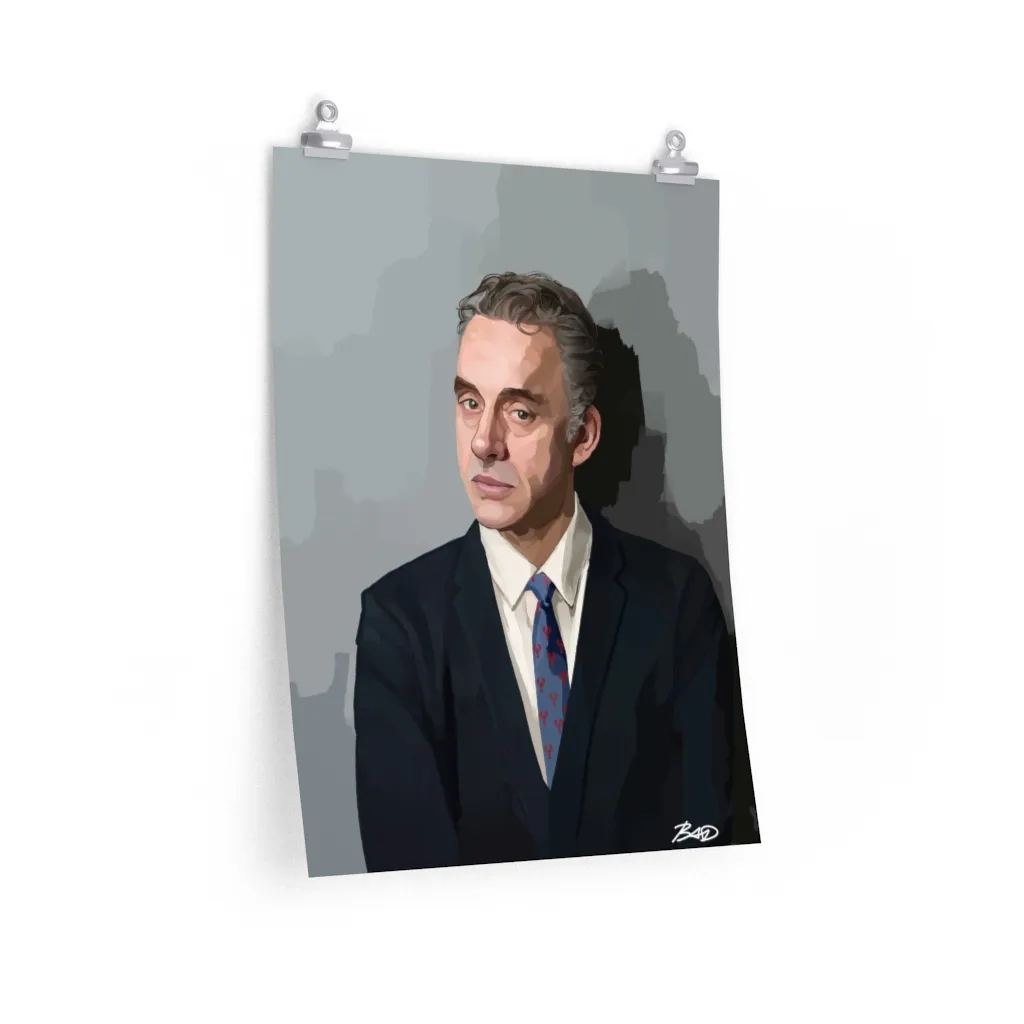 Photo: Dr. Peterson, via brittney-angel.com
The visit cost twenty dollars. Cash. Dr. Peterson would look in your throat, listen to your chest, and write a prescription on a small white pad. The pharmacy charged $3.50 for antibiotics. You went home, slept for three days, and returned to school feeling human again.
Total damage: $23.50 and some missed homework.
The Modern Medical Maze
Fast-forward to today, and that same sore throat has become a financial expedition through a labyrinth designed by people who clearly never get sick themselves.
First, you'll call your "primary care provider"—a term that would have baffled previous generations who simply had "a doctor." If you're lucky, they can see you next Tuesday. If you're unlucky, you'll head to urgent care, where the waiting room looks like an airport terminal and costs about as much as a short flight.
The visit itself might run $150 to $300, depending on what mysterious "facility fees" get tacked on. But that's just the opening bid. The real fun starts six weeks later when the bills begin arriving like unwelcome party guests.
There's the physician fee, the lab fee for the strep test, the facility fee for using the exam room, and possibly a "consultation fee" for the three minutes the doctor spent looking at your throat. Each bill comes from a different company, with different payment portals, and different customer service numbers that lead to hold music that would make elevator operators weep.
When Insurance Was Actually Insurance
The cruel irony is that Americans today have more "health insurance" than ever before, yet feel less financially secure about getting sick. In the 1970s, many people paid cash for routine medical care because it was actually affordable. Insurance was for catastrophes—heart attacks, broken bones, emergency surgery.
Now we have insurance for everything, which means we have insurance for nothing. Deductibles that would have bought a used car in 1975 mean that families with "good coverage" still face hundreds or thousands in out-of-pocket costs for basic care.
The $20 doctor visit has been replaced by a $250 urgent care visit that applies to your $3,000 deductible, which you'll never meet unless someone in your family needs surgery. You're paying monthly premiums that would have covered a year's worth of 1970s medical care, for the privilege of paying even more when you actually need help.
The Anxiety Tax
Perhaps the cruelest change is how financial stress has become part of the illness itself. Getting sick used to be about getting better. Now it's about calculating whether you can afford to get better.
Parents dose their kids with over-the-counter remedies for days, hoping to avoid the urgent care roulette. Adults work through illnesses that would have sent previous generations straight to bed, because taking time off means losing pay and facing medical bills.
The stress of potential medical debt has become its own health condition. People delay care, skip follow-up appointments, and stretch prescriptions to avoid costs. We've created a system where being sick makes you sicker—financially and physically.
The Lost Art of Recovery
Remember when being sick meant actually resting? Your mother would make soup, you'd watch soap operas or game shows, and the world would wait while you recovered. The concept seems almost quaint now.
Today's sick days come with laptop homework and email check-ins. We've compressed recovery time because time is money, and money is scarce, and medical bills are waiting. The three-day flu has become the one-day push-through-it special.
We've also lost the community aspect of illness. Neighbors used to bring casseroles. Church groups organized meal trains. Getting sick was a time when people rallied around you.
Now getting sick is a private struggle against both the virus and the billing department. You're on your own with your symptoms, your insurance company, and your mounting anxiety about what this is all going to cost.
The Prescription for Simplicity
Dr. Peterson knew your family's medical history because he'd been treating your family for decades. He knew your allergies, your previous illnesses, and whether your father had the same recurring cough every winter. There was continuity, relationship, and institutional memory.
Today's medical system treats each illness like a fresh mystery. Previous records are scattered across different providers, different systems, different corporate entities. You'll spend more time explaining your medical history to strangers than you'll spend being examined.
The $3.50 prescription has become a $75 co-pay for the same antibiotic, assuming it's "covered" by your plan. If it's not covered, you'll learn about "therapeutic alternatives" and "prior authorization" requirements that would have sent 1970s patients fleeing in confusion.
What We Really Lost
The transformation of American healthcare from a simple transaction to a complex financial instrument represents more than just inflation. We've lost the peace of mind that came with knowing that getting sick wouldn't require a second mortgage.
We've traded the family doctor for the healthcare system, community care for corporate medicine, and financial security for financial anxiety. The twenty-dollar doctor visit wasn't just about the money—it was about living in a world where taking care of yourself didn't require a business degree to navigate.
Somewhere in America, there might still be a doctor who charges reasonable rates and knows your name. But finding them requires the kind of detective work that would have baffled previous generations who simply got sick, got treated, and got better without going broke in the process.
These days, that sounds like the most radical healthcare reform of all.