The Great Equalizer on Every Rooftop
In 1978, a factory worker in Detroit and a banker in Manhattan watched the exact same television shows. Not similar shows—the identical programs, broadcast simultaneously across the nation. Both families gathered around their TV sets at 8 PM to watch "Happy Days," followed by "Laverne & Shirley." They saw the same commercials, heard the same laugh tracks, and shared the same cultural references the next day.
This wasn't because they chose the same entertainment package or subscribed to identical services. It happened because broadcast television was fundamentally democratic. Every household with a $20 antenna could access the same content as families with expensive rooftop installations. Rich or poor, urban or rural, everyone participated in the same national conversation.
That shared cultural foundation has completely disappeared.
When America Watched Together
The broadcast television era, roughly from the 1950s through the 1990s, created something unprecedented in human history: a truly mass shared culture. With only three major networks (ABC, NBC, and CBS) and a handful of local stations, Americans had limited choices but unlimited access.
Every Thursday night, 60 million Americans tuned in to watch "The Cosby Show." On Sunday evenings, families across the country gathered for "The Wonderful World of Disney." Major events like the Super Bowl, presidential debates, and season finales brought the nation together in ways that seem impossible today.
 Photo: Super Bowl, via enjoyorangecounty.com
This shared viewing experience created cultural touchstones that transcended economic and social boundaries. The playground conversations in Beverly Hills elementary schools referenced the same TV shows as those in rural Alabama. Water cooler discussions in corporate boardrooms centered on the same episodes that factory workers debated during lunch breaks.
The Economics of Equal Access
Broadcast television's greatest achievement wasn't technical—it was economic. The system was funded entirely by advertising, which meant content was free to viewers. A family struggling to pay rent could access the same entertainment as millionaires. Geography didn't matter either; rural communities received the same programming as major cities.
This accessibility created a level cultural playing field that Americans took for granted. Parents didn't worry about affording entertainment for their children because Saturday morning cartoons were free. Teenagers didn't miss out on pop culture references because they couldn't afford cable subscriptions. Everyone had access to the same news, the same sports, and the same prime-time dramas.
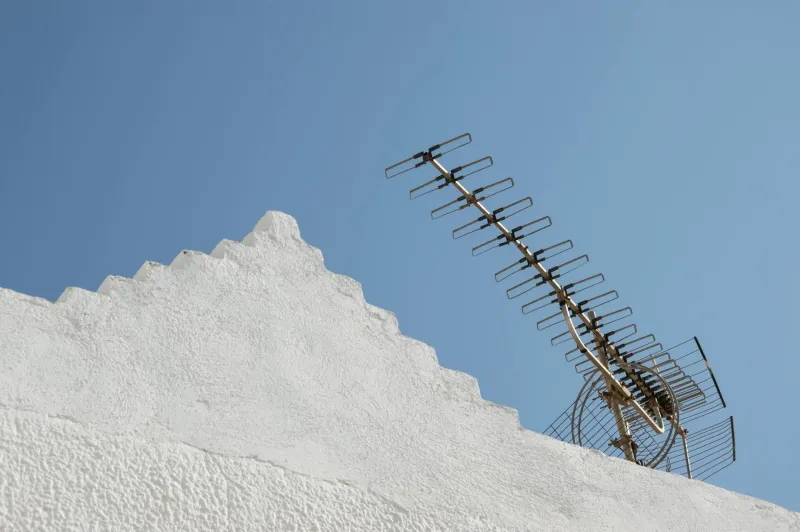
The antenna became a symbol of this equality—a simple device that could capture signals traveling freely through the air. Whether you mounted a basic rabbit ears antenna on your television or installed an elaborate rooftop array, you received the same channels broadcasting the same content.
The Streaming Revolution's Hidden Cost
Today's entertainment landscape offers unprecedented choice and convenience, but it has fundamentally destroyed the equality that broadcast television provided. Streaming services have created a tiered system where your entertainment options depend directly on your disposable income.
A household with Netflix, Hulu, Disney+, HBO Max, Amazon Prime, Apple TV+, and Paramount+ might spend $80-100 monthly for comprehensive access to current content. Meanwhile, families cutting costs might afford only one or two services, creating dramatically different cultural experiences for their children.
This economic stratification has practical consequences that extend far beyond entertainment. Children from lower-income families increasingly find themselves excluded from cultural conversations that their peers take for granted. The shared references that once unified American childhood have been replaced by fractured experiences based on subscription access.
The New Cultural Divide
Streaming has created what researchers call "cultural capital inequality"—a situation where your ability to participate in contemporary culture depends on your economic resources. This represents a fundamental shift from the broadcast era, when cultural participation was essentially free.
Consider how dramatically this has changed childhood experiences. In 1985, nearly every American kid could reference "The A-Team," "MacGyver," or "Saturday Night Live" because these shows were freely available to all households. Today's children develop entirely different cultural vocabularies based on their families' streaming subscriptions.
The workplace implications are equally significant. Shared cultural references once served as social lubricant in professional settings, providing common ground for people from different backgrounds. When everyone watched the same shows, popular culture created connections across class and regional boundaries.
The Data Behind the Divide
Recent studies reveal the scope of this new inequality. Approximately 25% of American households have cut cable entirely, but only about 40% of those households maintain multiple streaming subscriptions. This means millions of Americans have actually reduced their access to current entertainment compared to the broadcast era.
Rural areas face particular challenges. While broadcast signals reached remote communities for free, streaming services require high-speed internet that remains expensive or unavailable in many rural markets. Paradoxically, technological advancement has reduced entertainment access for these communities.
The generational impact is especially striking. Baby Boomers and Generation X grew up with shared cultural experiences that created lasting social bonds. Younger generations are developing increasingly fragmented cultural identities based on algorithmic recommendations and subscription access rather than shared national programming.
What We Lost in the Translation
Streaming services offer obvious advantages: on-demand viewing, personalized recommendations, and content variety that broadcast television could never match. But these benefits came with a hidden cost—the destruction of America's shared cultural foundation.
The old system forced Americans to experience entertainment together, creating common ground across economic and social divides. Families with different incomes, politics, and backgrounds still watched the same shows, creating cultural connections that transcended other differences.
Today's algorithmic recommendations, while sophisticated, create echo chambers that reinforce existing preferences rather than exposing viewers to shared experiences. The result is a more personalized but less unified cultural landscape.
The Promise That Broke
Broadcast television represented a unique moment in American history when technology served democratic ideals. For roughly 50 years, every household could access the same entertainment regardless of economic status. This created a shared cultural vocabulary that helped bind the nation together during turbulent times.
Streaming has delivered on many promises—convenience, choice, and quality content. But it has also broken the fundamental promise of equal cultural access that broadcast television maintained for generations. In gaining personalized entertainment, we've lost our shared national story.
The antenna on every rooftop wasn't just receiving television signals—it was connecting American families to a common cultural experience that money couldn't buy and geography couldn't limit. That connection, once taken for granted, may prove impossible to restore in our increasingly fragmented media landscape.