The Archive That Lived in a Shoebox
Tucked away in kitchen drawers across America, millions of recipe boxes held more than cooking instructions—they contained family DNA written in fading blue ink. These weren't just collections of ingredients and measurements; they were handwritten histories, passed down through generations like precious heirlooms, each stain and smudge telling its own story.
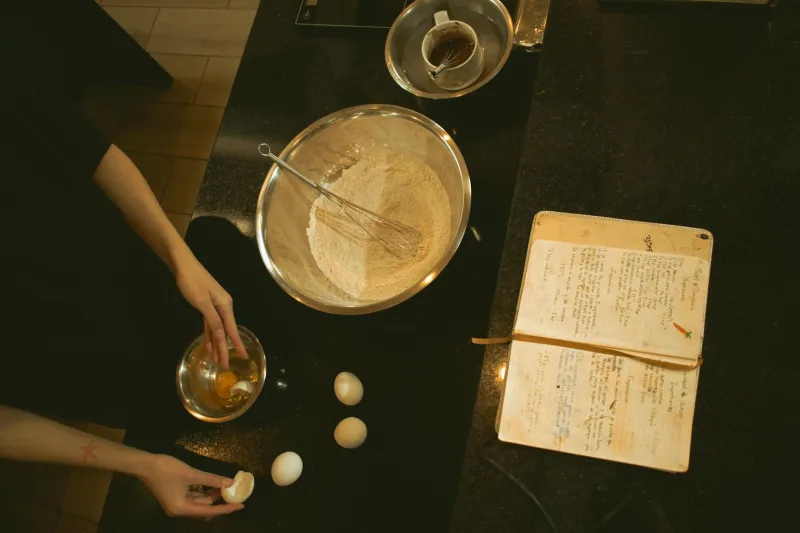
Every card was a time capsule. Aunt Helen's chocolate chip cookies, written in her distinctive Palmer Method cursive. Mom's pot roast recipe, copied from Grandma Rose in 1962, with margin notes added over decades: "Add more garlic - Dad loves it" or "Double this for Christmas dinner." The card for Uncle Tony's famous marinara sauce, so splattered with tomato stains it looked like abstract art.
 Photo: Grandma Rose, via woodlanddesigns.co.nz
These weren't instructions—they were love letters disguised as cooking directions.
When Cooking Was Archaeology
Before Pinterest boards and food blogs, learning to cook meant inheriting mysteries. Recipes came with gaps that only family knowledge could fill. "Cook until done" wasn't lazy writing—it assumed you'd learned by watching, that you understood the family's preferred level of doneness, that you'd absorbed the subtle cues through years of standing beside the stove.
"A pinch of this" and "a handful of that" weren't imprecise measurements—they were coded instructions that connected you to generations of hands that knew exactly what those amounts meant. Grandma's biscuit recipe might call for "enough milk to make it right," a measurement that required not just practice, but inheritance of family standards.
Every family had their secret weapons: the one aunt who could make perfect gravy without a recipe, the uncle whose barbecue sauce formula died with him, the grandmother whose pie crust technique could never quite be replicated despite detailed observation and frantic note-taking.
The Intimacy of Imperfection
Those recipe cards were beautifully, authentically flawed. Handwriting that got shakier over the years. Corrections made in different colored pens as cooks adapted recipes to changing tastes or dietary needs. Margin notes that revealed family preferences: "Johnny hates onions" or "Make extra - the neighbors always ask for some."
The physical cards themselves became part of the recipe's story. The chocolate stains on Aunt Mary's brownie recipe weren't accidents—they were proof of decades of successful baking sessions. The worn edges where fingers had gripped the card while measuring ingredients. The slight warping from steam and kitchen humidity.
You could read a family's history in their recipe box: the formal, careful handwriting of depression-era cooks who treated paper as precious; the hurried scrawl of busy 1970s mothers jotting down potluck contributions; the photocopied pages where someone tried to preserve a beloved relative's handwriting before it was lost forever.
The Ritual of Recipe Inheritance
Passing down recipes was a rite of passage, usually happening during major life transitions. Getting married meant receiving copies of family favorites. Moving out meant your mother sitting down to write out her most-requested dishes. Having children meant suddenly understanding why your grandmother had been so protective of certain family secrets.
The transfer wasn't just about ingredients—it came with stories. "This was your great-grandmother's recipe from the old country, but we had to substitute ingredients when she came to America." "Your grandfather requested this cake every birthday for forty-three years." "I got this from Mrs. Patterson next door after your father raved about her casserole."
These weren't just cooking instructions; they were family mythology made edible.
When Food Blogging Changed Everything
Sometime in the early 2000s, recipe culture shifted from intimate to performative. Food blogs promised "the best" everything, with professional photography and detailed step-by-step instructions. Pinterest boards organized thousands of recipes by theme and occasion. YouTube channels demonstrated techniques in high definition.
Sudenly, cooking became content creation. Recipes needed to be search-engine optimized, photographed beautifully, and accompanied by lengthy personal stories about how this particular dish "brings back memories of Tuscany" or "reminds me of cozy fall afternoons."
The new recipe format was undeniably more precise, more accessible, more visually appealing. But something essential was lost in the translation from handwritten cards to digital perfection.
The Algorithm Knows What You Want to Eat
Today's recipe discovery happens through algorithms that analyze your browsing history, dietary preferences, and seasonal trends to suggest exactly what you might want to cook. It's efficient, personalized, and endlessly varied.
But algorithms can't replicate the serendipity of flipping through your mother's recipe box and finding a card you'd never noticed before. They can't capture the weight of family tradition or the intimacy of continuing a cooking legacy that stretches back generations.
Modern recipe apps remember what you've cooked, rate dishes for future reference, and even generate shopping lists automatically. They've solved every inconvenience of the old system—except the inconveniences that actually mattered.
What We Saved, What We Lost
Today's food culture has democratized cooking knowledge in remarkable ways. Anyone can access professional techniques, international cuisines, and dietary adaptations that would have been impossible to find in Grandma's recipe box. Food allergies and special diets are accommodated with options our grandparents never could have imagined.
But we've traded intimacy for accessibility. Modern recipes are written by strangers for strangers, optimized for maximum appeal rather than family tradition. They're designed to go viral, not to be passed down.
The handwritten recipe card represented something irreplaceable: the belief that the best food comes not from perfect technique or trending ingredients, but from love, tradition, and the accumulated wisdom of people who cooked for their families, not their followers.
The Recipe Box Nobody Opens
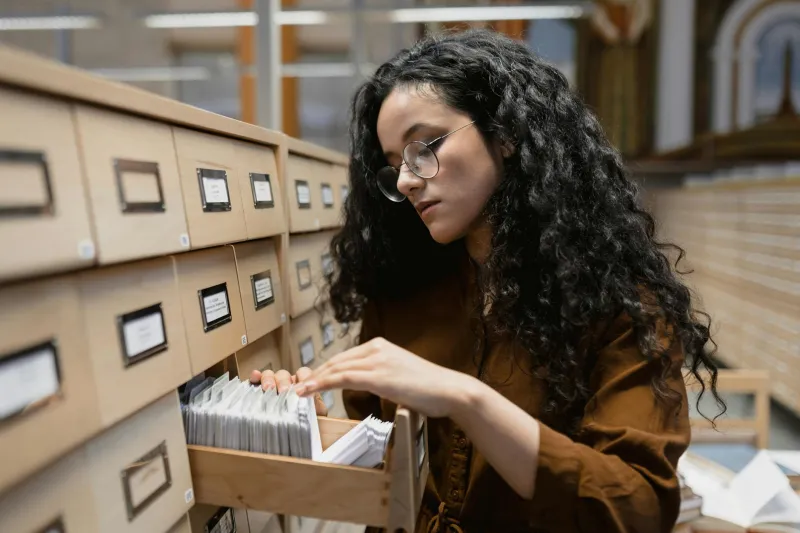
Somewhere in America, countless recipe boxes sit unopened in estate sales and donation piles, their handwritten treasures destined for landfills because nobody knows how to decode the abbreviations or interpret the margin notes anymore. Each discarded box represents a family's culinary DNA that took generations to develop and seconds to lose.
We've gained access to infinite recipes, but we've lost the recipes that were truly ours—the ones that tasted like home because they were written by the hands that made home possible.