The Great American Swimming Hole
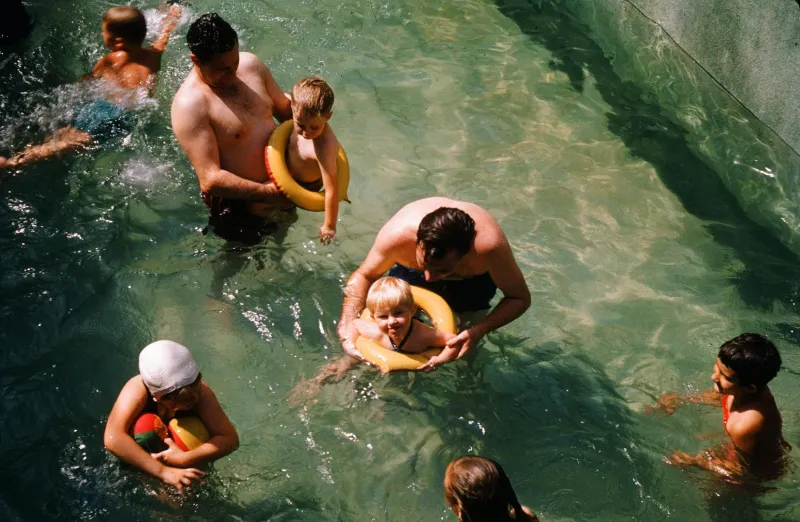
In the summer of 1965, nearly every American city worth its salt operated at least one public swimming pool. These weren't modest facilities—they were sprawling aquatic palaces with diving boards, wading pools, and enough chlorinated water to host half the neighborhood. Entry cost a quarter, sometimes nothing at all. Families arrived with brown bag lunches and stayed all day, while lifeguards who actually lived in the community watched over a democratic mix of kids whose parents ranged from factory workers to bank presidents.
The pool was where America's promise of equal access felt most real. Rich kids and poor kids learned to swim in the same water, waited in the same lines for the diving board, and got the same whistle blasts from lifeguards who treated everyone's safety with equal seriousness. Social class mattered less when everyone was wearing the same amount of clothing and dripping the same chlorinated water.
These pools were more than recreation facilities—they were community centers with chlorine, places where neighborhoods came together under the democratic principle that every child deserved to spend summer days in the water.
The Infrastructure of Joy
Mid-century America built public pools with the same civic pride and federal investment that created the interstate highway system. The Works Progress Administration constructed hundreds of pools during the Depression. Post-war prosperity funded even more elaborate facilities, complete with bathhouses, concession stands, and landscaped grounds that rivaled private country clubs.
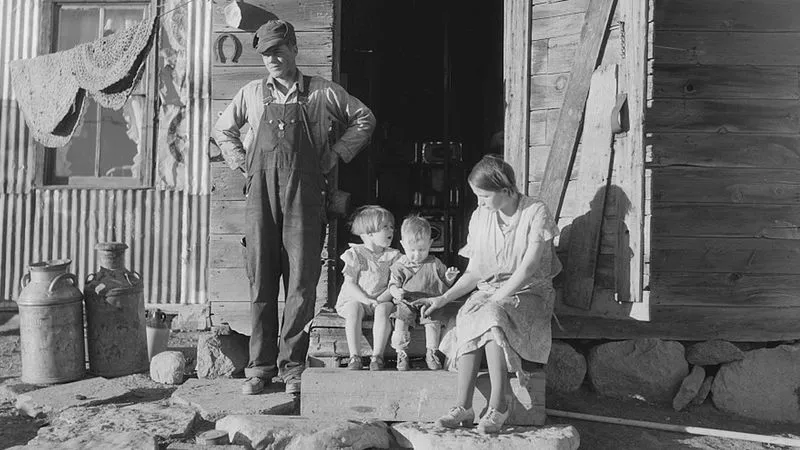 Photo: Works Progress Administration, via cdn.britannica.com
Cities competed to build the most impressive public pools, viewing them as symbols of municipal success and community values. Detroit's Belle Isle pool could hold 7,500 swimmers. New York's massive Astoria Pool in Queens, built in 1936, remains the largest public pool in the city. These weren't afterthoughts in city budgets—they were centerpiece investments in public happiness.
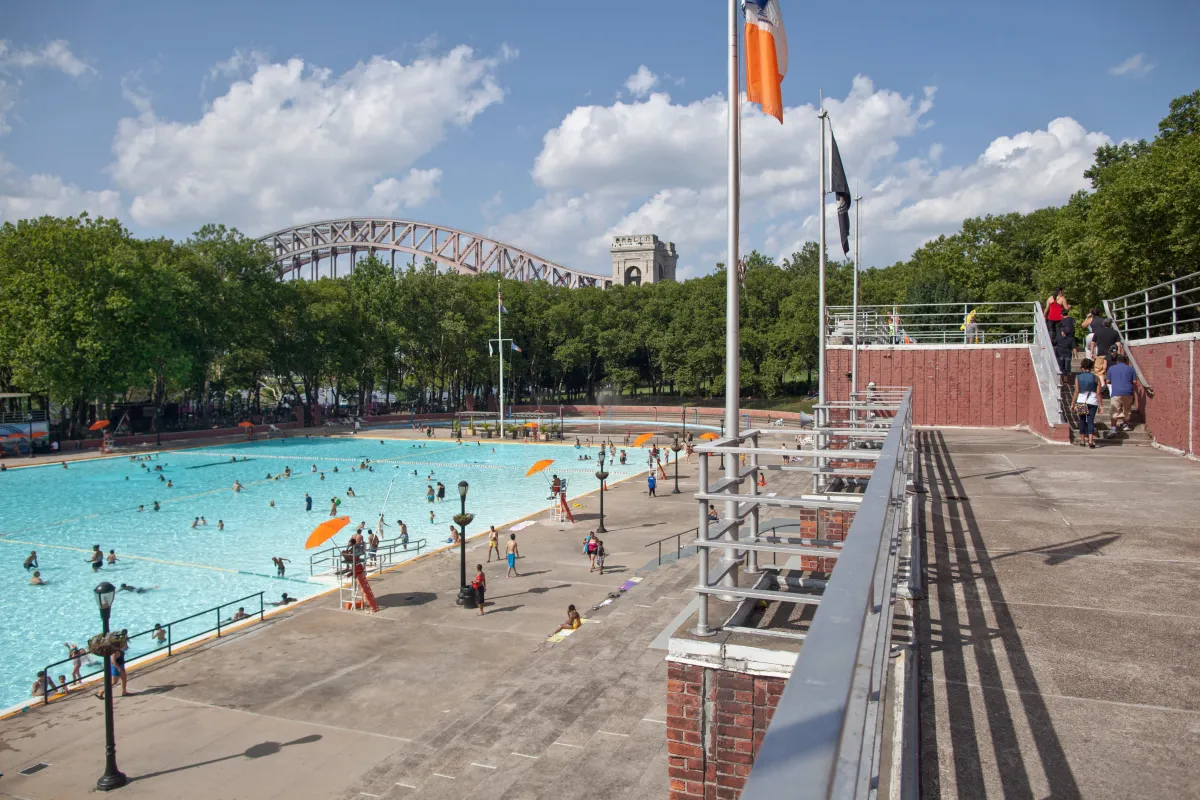 Photo: Astoria Pool, via images.ctfassets.net
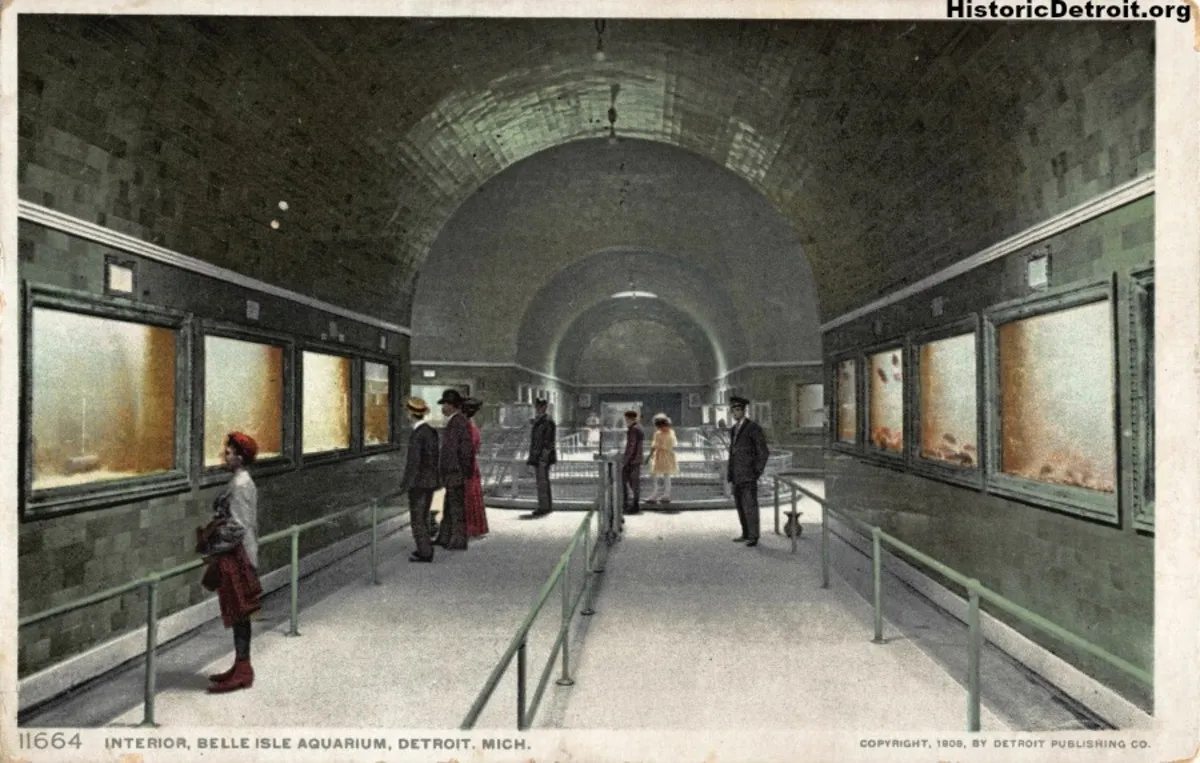 Photo: Belle Isle, via storage.googleapis.com
The pools operated with military efficiency and community spirit. Lifeguards were often local high school athletes earning summer jobs. Pool managers knew regular families by name. Rules were enforced fairly but with understanding that kids were there to have fun, not follow corporate protocols.
When the Water Stopped Being Free
The decline began in the 1970s and accelerated through the following decades as municipal budgets tightened and priorities shifted. Pool maintenance was expensive, liability insurance costs soared, and the political will to fund public recreation weakened. One by one, America's great municipal pools closed, sold off, or fell into disrepair.
What replaced them was a two-tiered system that would have horrified earlier generations of Americans. Wealthy families joined private swim clubs or built backyard pools. Middle-class families bought day passes to hotel pools or drove hours to lakes. Poor families simply stopped swimming, unless they lived near one of the few remaining public facilities.
The economics were brutal but simple: public pools required ongoing tax support with no direct revenue stream, while private facilities could charge whatever the market would bear. Democracy was expensive; exclusivity was profitable.
The Membership Society
Today's American swimming culture revolves around private clubs, homeowner association pools, and expensive day passes that can cost more than entire families once spent on a week of public pool visits. The community pools that do survive often struggle with outdated facilities, reduced hours, and safety concerns that drive away the middle-class families who once formed their core constituency.
The shift from public to private swimming represents a broader transformation in American life—the movement from shared public goods to individual consumer choices. Swimming became something you bought rather than something your community provided, a privilege rather than a right.
Children who grow up with private pool access learn different lessons than those who shared public facilities. They don't learn to wait in line with kids from different backgrounds. They don't navigate the social dynamics of crowded pools where space was shared rather than purchased. They miss the democratic education that came from spending summer days in truly public spaces.
The Drowning of Shared Joy
The loss of public pools represents more than recreational infrastructure—it's the disappearance of one of America's few genuinely integrated social spaces. Public pools were places where racial and class barriers temporarily dissolved in chlorinated water. They were community centers that happened to have swimming, gathering places that created lasting friendships and shared memories across social divides.
Modern America has replaced this shared experience with isolated alternatives. Backyard pools create private oases that exclude rather than include. Private clubs maintain social boundaries that public pools once challenged. Even the few remaining public pools often serve increasingly segregated communities as middle-class families opt out entirely.
The children who grew up with unlimited access to public pools remember summer as a time of unlimited possibility. Current generations learn that water access depends on family income, that swimming is a privilege to be purchased rather than a joy to be shared.
The Shallow End of Democracy
Some cities have tried to revive public pool culture, building new aquatic centers with modern amenities and diverse programming. But these facilities often feel more like private clubs that happen to be publicly funded—sleek, efficient, and somehow lacking the chaotic joy that characterized the great municipal pools of earlier eras.
The challenge isn't just financial—it's cultural. America has lost the shared belief that every child deserves access to summer swimming, that public recreation is a legitimate use of tax dollars, and that community joy is worth collective investment.
The empty pools and fenced-off diving boards scattered across American cities stand as monuments to a more generous vision of public life. They remind us of a time when democracy meant more than voting—it meant sharing the simple pleasure of a summer afternoon in the water, regardless of what your parents could afford.
In losing our public pools, we didn't just lose places to swim. We lost gathering spaces where America practiced being American together, one cannonball at a time.