The Man Who Knew Your Morning Routine
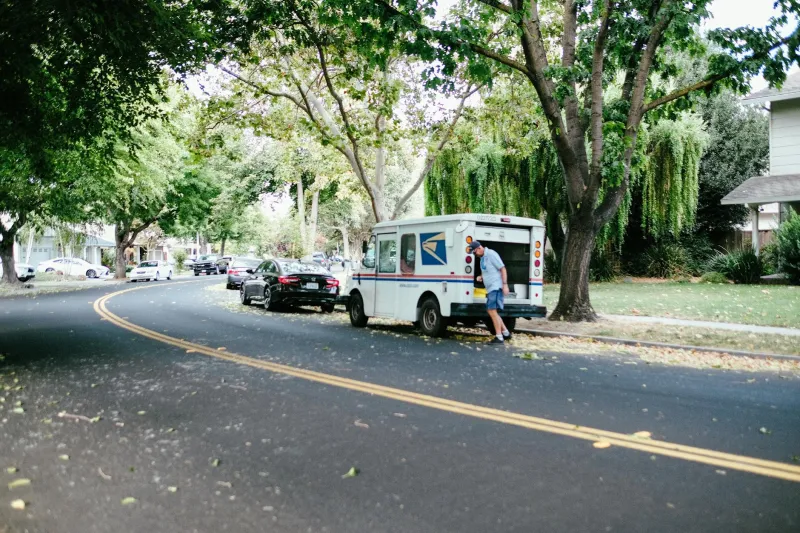
Every Tuesday and Friday at 6:15 AM, Frank Kowalski would pull his white truck up to the Martinez family's driveway. He'd grab two glass bottles of milk and a dozen eggs, walk them to the side door, and place them in the insulated box he'd installed there three years earlier. Frank knew that Mrs. Martinez always left for work at 6:45, so his timing ensured the dairy products stayed cold.
 Photo: Martinez family, via yt3.googleusercontent.com
Frank had been delivering to the Martinez family for eight years. He knew they switched to skim milk when Mr. Martinez started his diet. He remembered to bring extra cream during the holidays when Mrs. Martinez made her famous flan. When their teenage son broke his leg, Frank quietly added chocolate milk to the order without being asked, knowing the boy needed cheering up.
No app told Frank these things. No algorithm tracked the family's preferences. He simply paid attention, cared about his customers, and treated delivery as a relationship rather than a transaction.
The Economy of Familiar Faces
From the 1920s through the 1970s, American households operated within a web of personal delivery relationships that would seem impossible today. The milkman was just one piece of a larger ecosystem that included bread routes, ice deliveries, Fuller Brush salesmen, and rolling grocery trucks that served rural communities.
These weren't faceless corporate employees following GPS routes. They were independent business owners or long-term company representatives who built their success on knowing their customers intimately. The bread man knew which families preferred rye on Thursdays. The ice delivery driver understood exactly how much ice each household needed based on family size and refrigerator age.
This personal knowledge created a level of service that went far beyond simple delivery. When the Hendersons went on vacation, their milkman would hold deliveries without being asked. When old Mrs. Patterson stopped putting out her empty bottles, her delivery driver would check on her welfare. These relationships formed a informal neighborhood watch system that kept communities connected.
 Photo: Mrs. Patterson, via mrspattersonadler.weebly.com
The Rhythm of Predictable Service
Perhaps most remarkably, this entire system operated without instant communication. Customers left notes in empty bottles or spoke to drivers during chance encounters. Changes to orders happened through handwritten requests or brief conversations. Yet somehow, this low-tech system provided more reliable, personalized service than many modern alternatives.
Delivery drivers developed almost supernatural knowledge of their routes. They knew which dogs were friendly, which houses had new babies (and therefore needed quieter deliveries), and which customers were struggling financially and might appreciate flexible payment terms. This wasn't data mining—it was human connection.
The predictability was comforting for both customers and drivers. Families could plan meals around delivery schedules they'd known for years. Drivers could optimize routes based on deep familiarity with each stop. Everyone knew what to expect, and expectations were consistently met.
The Algorithm Takes Over
Today's delivery economy operates on completely different principles. Apps like DoorDash, Instacart, and Amazon Fresh promise convenience and speed, but they've eliminated the human element that once defined home delivery. Modern delivery drivers are gig workers following GPS instructions to addresses they've never seen before, dropping packages for customers they'll never meet again.
The efficiency is undeniable. You can order groceries at 11 PM and have them delivered by noon the next day. The selection is vast—thousands of products compared to the limited options of mid-century delivery services. The convenience is remarkable—no need to leave notes in milk bottles or wait for weekly delivery schedules.
Yet something essential has been lost. Today's delivery drivers don't know your preferences, your family situation, or your neighborhood rhythms. They're not building relationships or providing personalized service. They're executing transactions as quickly as possible before moving to the next gig.
The Paradox of Modern Convenience
The irony of contemporary delivery culture is that we have more options than ever but less actual service. Frank the milkman provided a level of personalized attention that no app can replicate. He anticipated needs, remembered preferences, and cared about customer satisfaction because his livelihood depended on long-term relationships.
Modern gig drivers have no incentive to provide that level of service. They're rated on speed and accuracy, not relationship building. They're optimizing for volume, not customer loyalty. The entire system is designed for efficiency rather than connection.
This shift reflects broader changes in American economic culture. We've traded stability for flexibility, relationships for convenience, and local knowledge for algorithmic optimization. The results are mixed at best.
What Algorithms Can't Deliver
No smartphone app will ever replicate Frank Kowalski's ability to notice that the Martinez family seemed stressed and needed an extra smile with their milk delivery. No algorithm can provide the comfort of knowing that someone familiar and trustworthy has a key to your house and genuinely cares about your wellbeing.
The old delivery economy wasn't perfect. Selection was limited, schedules were rigid, and costs were often higher. But it provided something that modern convenience culture has largely abandoned: the sense that someone in your community knew you as a person rather than a data point.
We've gained incredible efficiency and convenience in our delivery systems. We can get almost anything delivered almost anywhere at almost any time. But we've lost the human connection that once made home delivery feel like community care rather than corporate transaction.
The milkman's memory wasn't just about remembering your order—it was about remembering you. And that's something no algorithm has figured out how to deliver.